
About telehandler price, Frustrated by telehandler quotes that are all over the map? You’re not alone. It’s a common problem that can make buying a machine feel confusing and uncertain.
A telehandler price depends on its capacity, height, engine, and attachments. But the biggest factor is its intended application. A machine for a farm has different needs and a different price than one for a construction site, even if their basic specs seem identical.
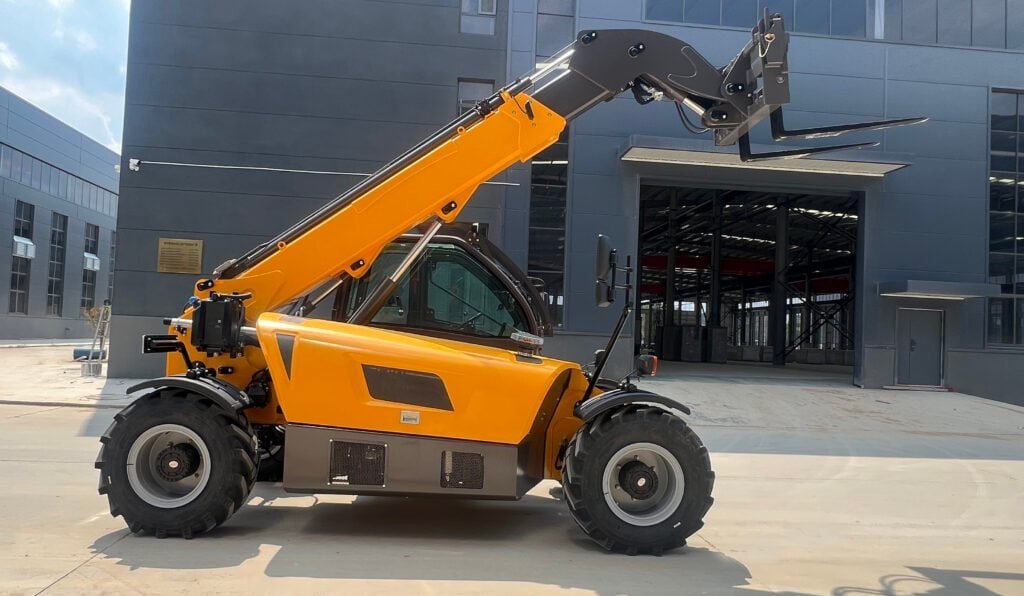
I’ve been exporting telehandlers from our factory for over 15 years, and I see buyers struggle with pricing every day. They get one quote for $40,000 and another for $60,000 for what looks like the same machine. It seems complicated, but it’s actually quite logical once you understand what you’re paying for. Let’s break it down together, so you can feel confident in your decision and get the best value for your money.
1,What Does a Telehandler Do?
Ever wonder what that versatile machine on job sites is? It’s likely a telehandler, a powerful tool for lifting and moving materials, but its role is more complex than it looks.
A telehandler, or telescopic handler, is a multi-purpose machine that acts like a forklift with a boom that can extend forward and upward. It lifts, moves, and places materials, making it essential in construction, agriculture, and warehousing.
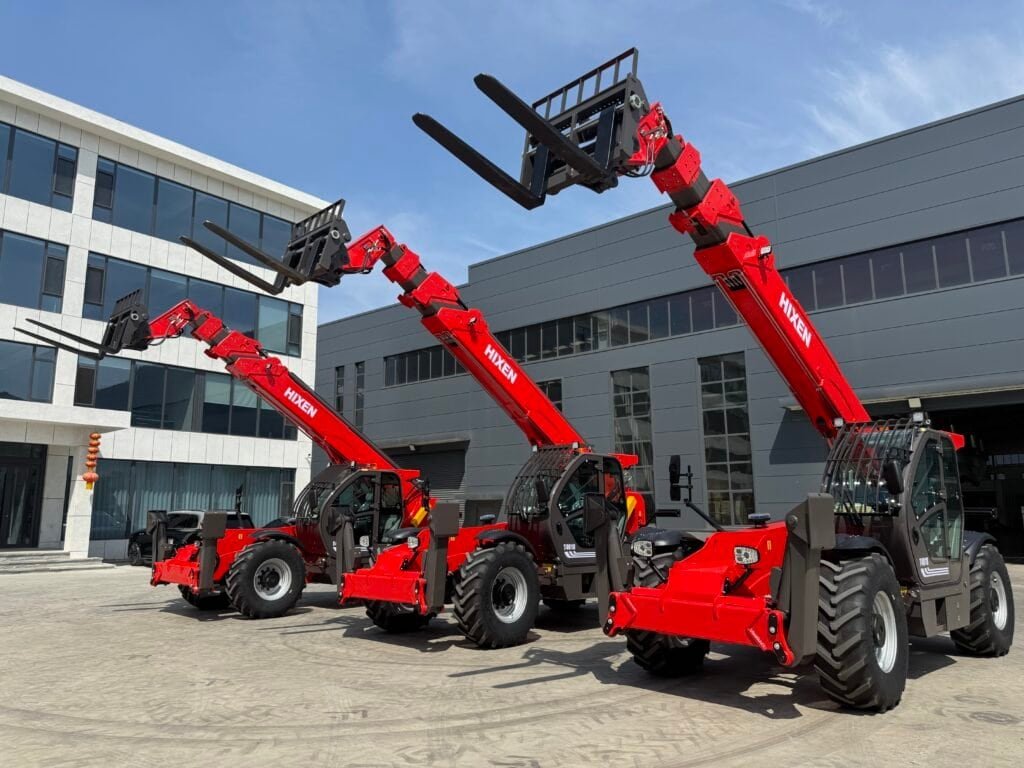
Think of a telehandler as the Swiss Army knife of heavy equipment. Its primary job is to lift things, but unlike a standard forklift that only goes up and down, a telehandler’s boom gives it incredible reach. This allows it to place pallets of bricks on the second story of a building, move hay bales across a muddy field, or stack containers in a tight yard. The real magic, however, comes from the attachments.
With a quick change, it can go from being a forklift to a wheel loader with a bucket or an aerial work platform with a man basket. This versatility is why you see them everywhere. One machine can do the job of three, saving you time, money, and space on your job site. It’s not just a lifter; it’s a problem-solver.
2,How Much Does a Telehandler Cost?
You need a price, but suppliers are giving you a huge range. It’s frustrating when you just want a straight answer to budget for your next big purchase.
A new telehandler can cost anywhere from $30,000 for a small, basic model to over $150,000 for a large, high-capacity machine with advanced features. The final price depends heavily on its specifications, brand, and your chosen configuration.
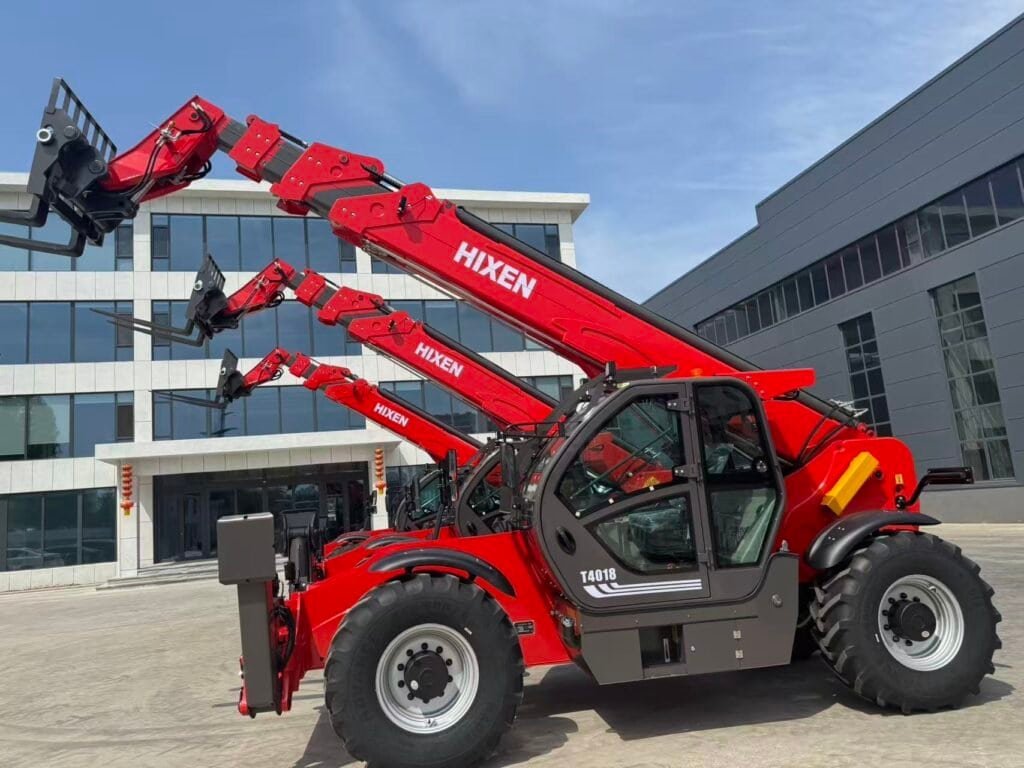
Let’s put some numbers to it, but remember these are just ballpark figures. The market is always changing.
- Small Telehandlers: For models with a lifting capacity of around 2.5 to 4 tons and a reach under 10 meters, you can expect to pay between $30,000 and $60,000. These are perfect for small farms, landscaping, or light construction work.
- Medium Telehandlers: In the 4 to 6-ton capacity range with a reach of 10 to 14 meters, prices typically fall between $60,000 and $100,000. These are the workhorses for most general construction sites and larger agricultural operations.
- Large Telehandlers: For heavy-duty lifting, with capacities over 6 tons and reach exceeding 14 meters, you’re looking at $100,000 to $150,000 or more. These machines are built for major industrial projects and large-scale logistics.
Just last month, a new customer from South America was shocked when he received quotes for a 4-ton machine that varied by nearly $30,000. He thought someone was making a mistake. They weren’t. The price difference was all in the details we are about to discuss.
3,Why Do Telehandler Prices Vary So Much?
Two machines look almost the same, but one costs $20,000 more. This isn’t a mistake or a trick. The difference is often hidden in the details that matter most for your work.
Prices vary so much because of differences in the application. A machine built for a rough construction site will have different components, like tires and axles, than one for a smooth warehouse floor, even if their lifting capacity is identical.
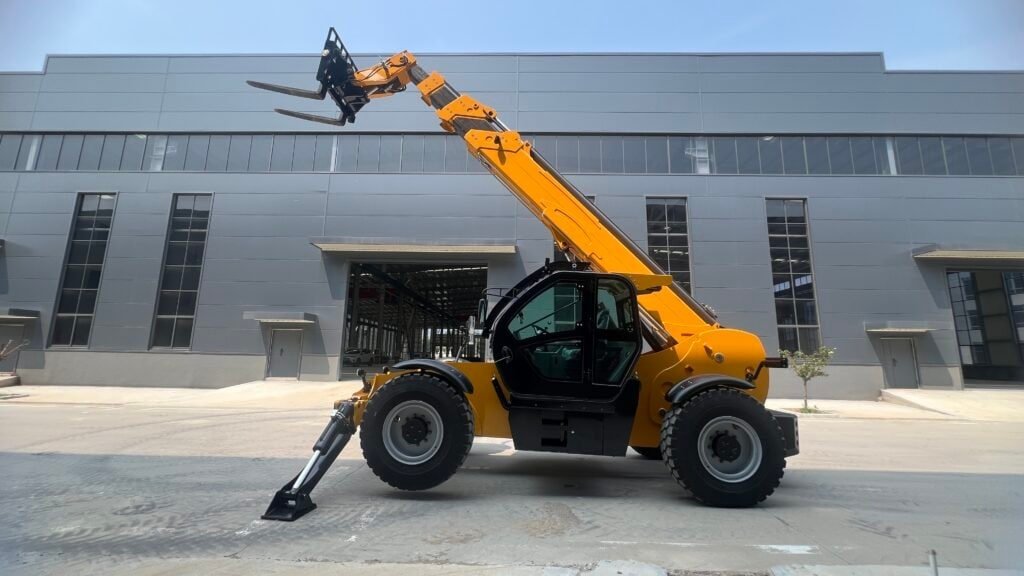
The single most important factor that influences price is the application scene. Many buyers assume that a bigger tonnage or a higher lifting height automatically means a higher price. While that’s generally true, it’s not the whole story. The real cost is determined by making the machine fit for your specific work environment.
Let me give you an example. Let’s take a standard 3-ton telehandler.
| Application Scene | Key Customer Concerns | Required Features | Estimated Price Impact |
|---|---|---|---|
| Agriculture / Farm | Fuel efficiency, easy maintenance, low running costs. | Fuel-efficient engine, simple cabin, standard tires. | Base Price |
| Construction Site | Stability, safety, rough-terrain capability. | Wider off-road tires, robust axle, frame leveling, enclosed cabin. | + $5,000 – $8,000 |
| Port / Warehouse | Durability for continuous work, operator comfort. | High-performance hydraulics, air-conditioned cabin, ergonomic controls. | + $8,000 – $12,000 |
As you can see, a “3-ton telehandler” is not just one machine. It’s a platform that we, as a factory, customize for the job. A farmer in France doesn’t want to pay for a heavy-duty axle he’ll never need. A construction manager in Brazil can’t compromise on stability and safety. This is why a simple request for a “3-ton telehandler price” will get you such a wide range of quotes. A professional supplier will always ask about your work first.
4,What Key Factors Influence the Cost of Telehandlers?
So, what exactly are you paying for? It’s more than just steel and an engine. Let’s list the key components that directly add up to the final price tag on your quote.
The main cost drivers are lifting capacity and height, engine brand, hydraulic system quality, and cabin features like air conditioning. Each choice can add thousands of dollars to the total investment, so you need to know what you need.
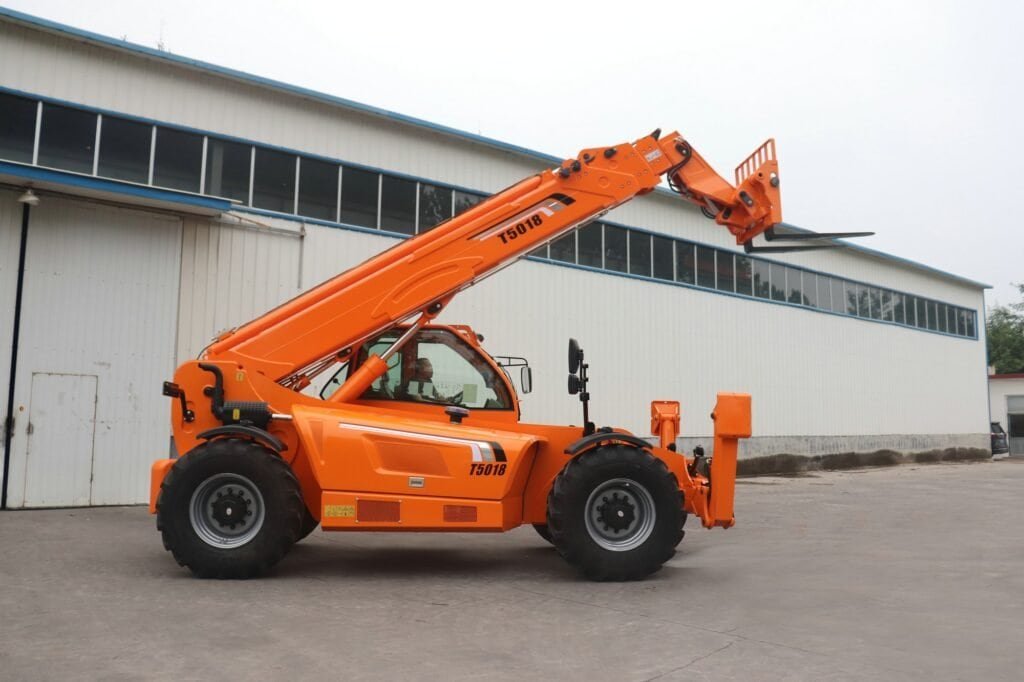
When you get a quote, you should see a specification sheet. This is where the price is hiding. Let’s break down the most important parts.
Core Specifications: Capacity and Height
This is the most basic factor. A machine that can lift 5 tons will naturally cost more than one that lifts 2.5 tons. It requires a stronger frame, a more powerful boom, and heavier counterweights. The same goes for lifting height. A boom that extends to 17 meters is far more complex and requires more high-strength steel than one that only reaches 7 meters.
Powertrain: Engine, Transmission, and Axles
The engine is the heart of the machine. A machine with a world-renowned engine like Cummins or Perkins will cost significantly more than one with a standard but reliable Chinese brand like Weichai or Yunnei. The same applies to the axles. A simple 2-wheel drive axle is cheaper than a 4-wheel drive, 4-wheel steering axle needed for rough terrain.
Hydraulic System: The Machine’s Muscles
The hydraulic system controls everything from lifting the boom to steering. High-quality pumps, valves, and seals from brands like Parker or Rexroth offer better performance and a longer lifespan, but they also come at a premium. A lower-cost machine might use less well-known components, which can work fine for light use but may not hold up under constant, heavy work.
Operator Comfort: The Cabin
An open canopy is the cheapest option. An enclosed cabin adds cost. Add heating, and the price goes up. Add air conditioning, and it goes up again. An ergonomic seat, adjustable steering column, and a modern joystick controller all contribute to the final price. For an operator who spends 8 hours a day in the machine, these features are not luxuries; they are essential for productivity and safety.
5,Why Can Two Similar Telehandlers Have Very Different Prices?
You’re comparing two 3-ton, 10-meter telehandlers, but the quotes are thousands of dollars apart. It feels like something is wrong. The reason often lies in factors beyond the spec sheet.
The price gap often comes from the brand’s country of origin and the total cost of ownership. A machine from a Chinese factory may have a lower initial price due to supply chain advantages, while a Western brand includes higher brand premiums.
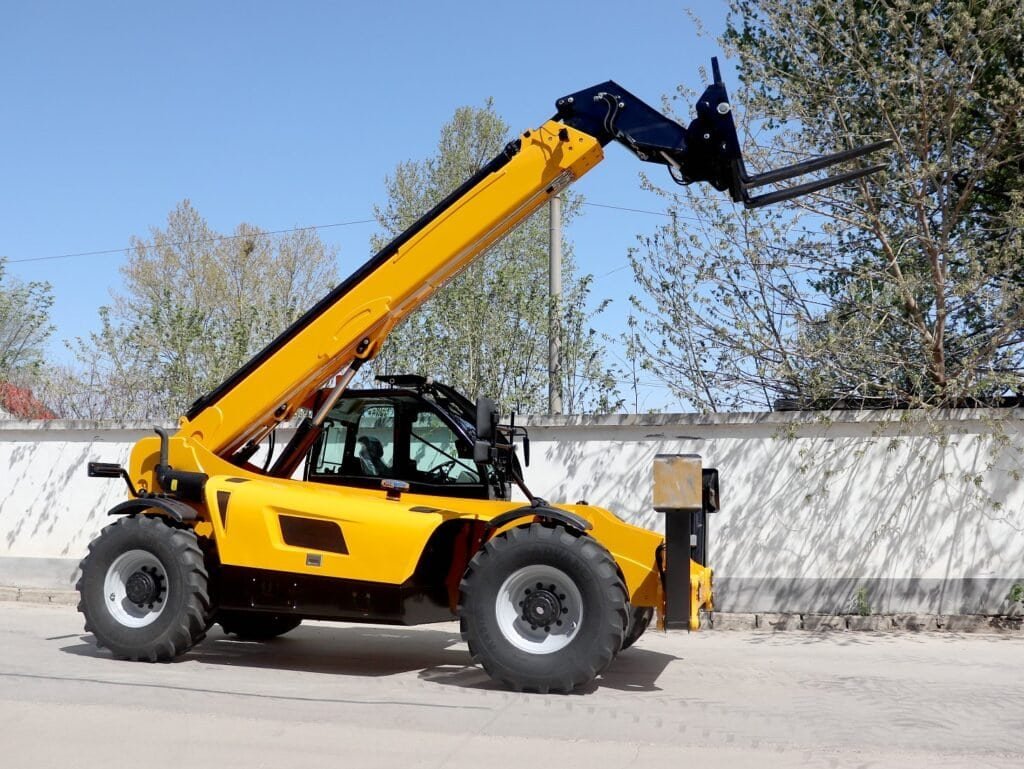
Two major “hidden” factors explain this price difference: where the machine is made and what it will cost you over its entire life.
First, let’s talk about the “Made in China” advantage. As a Chinese manufacturer, I want to be very clear: our competitive price is not just about being “cheap.” It comes from real, structural advantages. We have a complete industrial supply chain right at our doorstep. Everything from high-strength steel to mature hydraulic systems is sourced locally, which drastically cuts down on logistics and component costs. Our large-scale production—we produce 100 units a month—lowers the cost per machine.
In contrast, many Western brands have higher labor costs, marketing overheads, and brand premiums that you, the buyer, have to pay for. This is why a cost-effective telehandler from a China telehandler supplier can offer 90% of the performance for 60% of the price.
Second, a smart buyer looks beyond the initial price and considers the Total Cost of Ownership (TCO). The purchase price is just the beginning. You must also think about:
- Maintenance and Repair Costs: How much will parts cost?
- Parts Availability: How quickly can I get a replacement part?
- Reliability: Will the engine or hydraulics fail under pressure?
- Fuel Consumption: How much fuel does it burn per hour?
Some low-price telehandlers save money by using lower-grade steel or non-standard hydraulic parts. This might save you money today, but it will cost you more in downtime and expensive repairs tomorrow. I always tell my clients, “A cheaper machine may become expensive if after-sales service is weak.”
6,How Do I Buy the Right Telehandler?
Feeling overwhelmed by all the options and factors? Don’t be. Choosing the right telehandler isn’t about finding the cheapest one; it’s about finding the best value. Let’s create a simple checklist.
First, define your exact lifting needs. Then, select the right attachments. Most importantly, compare detailed specifications, not just prices. Finally, check the warranty and parts availability, and choose an experienced supplier you can trust.
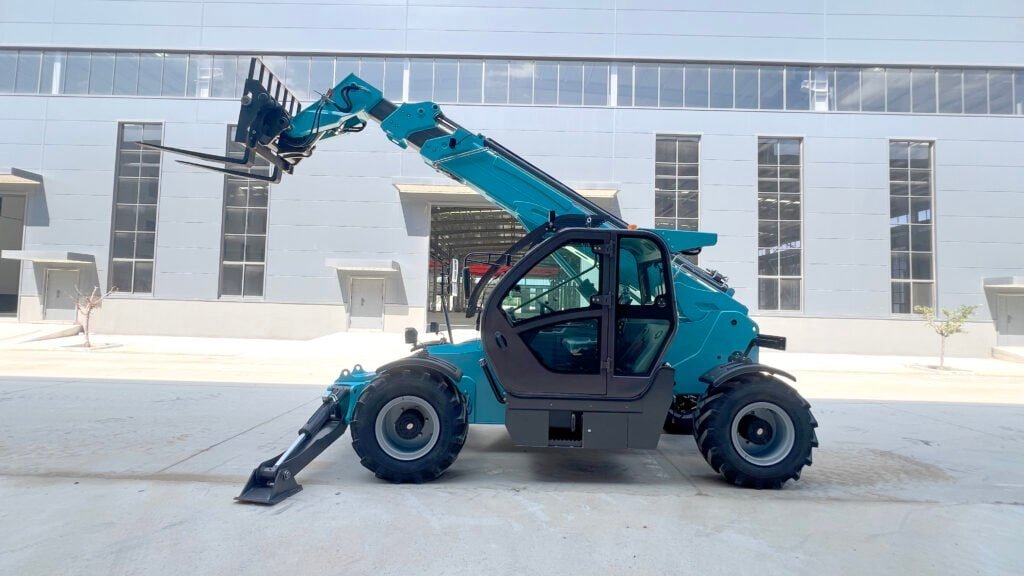
Here is a step-by-step guide I share with all my potential customers. It helps them clarify their thinking and make a smart investment.
Step 1: Define Your Core Needs
Before you even ask for a price, answer these questions:
- Lifting Capacity: What is the heaviest single item you need to lift? Add a 20% safety margin.
- Lifting Height: What is the highest point you need to reach?
- Work Environment: Will it be on smooth concrete, a muddy field, or a crowded construction site?
- Вложения: What jobs will it do? Do you need forks, a bucket, a grapple, or something else?
Step 2: Compare Specifications, Not Just Prices
Once you have quotes, put the specification sheets side by side. This is where you will see the real differences. A great rule to remember is: “Compare specifications before comparing prices.”
Look at the:
- Engine brand and power
- Axle type (2WD/4WD) and brand
- Hydraulic pump brand and flow rate
- Tire type and quality
- Cabin configuration (canopy vs. enclosed, A/C)
- Whether a quick hitch is included
Step 3: Evaluate the Supplier and After-Sales Support
Your relationship with the supplier doesn’t end when you pay. Ask them hard questions:
- What is the warranty policy?
- Do you stock spare parts? How long does shipping take?
- Do you offer online technical support?
- How many years have you been exporting telehandlers?
An experienced China telehandler supplier who has been in the business for over a decade, like us, will understand the importance of after-sales support and have systems in place to help you.
Заключение
Choosing a right telehandler supplier is about finding the best value, not the lowest price. Focus on your application, compare specs carefully, and partner with a reliable supplier for long-term success.
