
Buying a telehandler is a big investment, but a mistake can cost you more than just money. It can cause project delays and create serious safety risks on your site.
Buying a telehandler,the biggest mistakes are focusing only on lift capacity and price, ignoring the machine’s true cost, site suitability, attachment needs, and crucial safety compliance. A smart purchase considers all these factors.
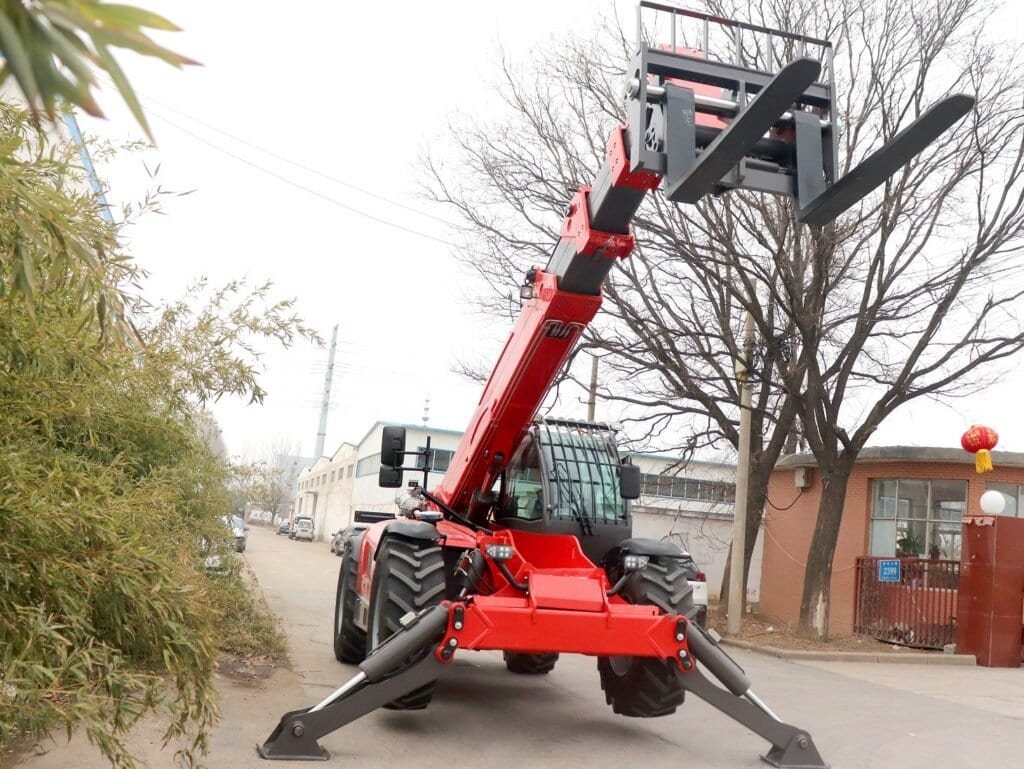
Over my 15 years of exporting telehandlers, I’ve seen buyers make the same errors again and again. These mistakes are easy to avoid if you know what to look for. I want to share my experience so you don’t fall into the same traps. This guide will walk you through the critical points that go beyond the sales brochure. Let’s make sure when you buying a telehandler is a powerful asset, not a costly problem.
1,What Are the Real Pros and Cons of a Telehandler?
Many people see a telehandler and think it’s just a forklift that can reach higher. This simple view leads to buying the wrong machine for the job, causing frustration and inefficiency.
A telehandler’s main advantage is its incredible versatility and reach. However, its disadvantages include a higher initial cost and a larger footprint compared to a standard forklift, which requires careful planning.
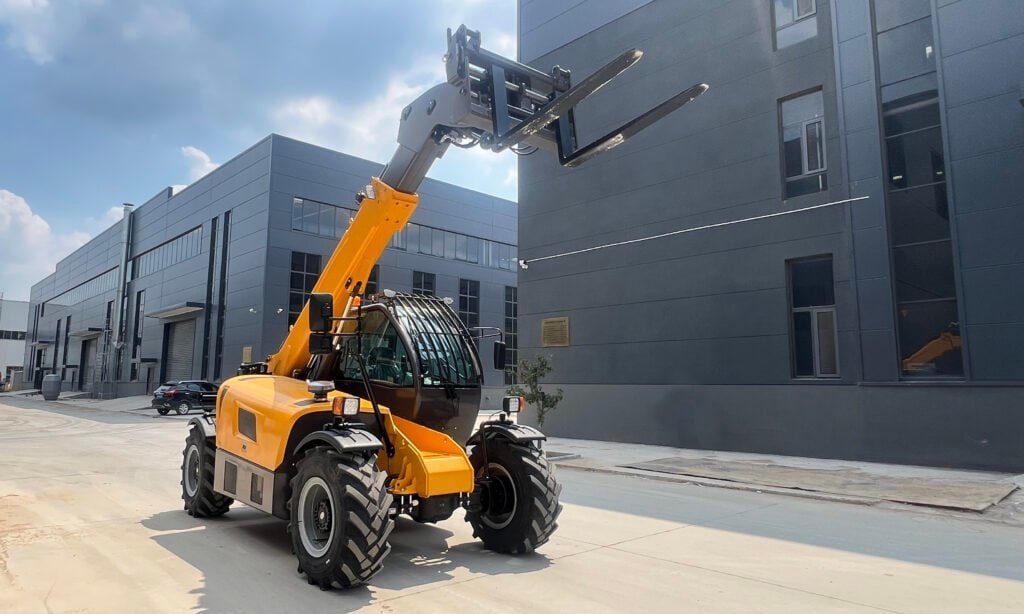
Let’s dive deeper into what this machine truly is. A telehandler, or telescopic handler, is like the Swiss Army knife of construction and agricultural equipment. Its primary strength comes from its telescopic boom, which can extend forward and upward. This allows it to place loads on rooftops or deep inside a trailer, something a vertical-mast forklift can’t do. You can also swap out the forks for a huge range of attachments.
2,Key Strengths and Weaknesses When Buying a Telehandler
| Advantages | Disadvantages |
|---|---|
| Versatility: Can use buckets, platforms, and grabs. | Higher Cost: More expensive to buy and maintain than a forklift. |
| Superior Reach: Lifts loads high and far. | Larger Size: Needs more space to operate and store. |
| Off-Road Capability: Most have 4-wheel drive for rough terrain. | Complex Operation: Requires more skilled and certified operators. |
| High Capacity: Can lift several tons of material. | Stability Concerns: Load capacity changes with boom angle and extension. |
Understanding these points is the first step. A telehandler isn’t just a “better forklift.” It’s a different category of machine. Recognizing this helps you decide if its unique capabilities are what your project actually needs, or if you’re paying for features you’ll never use.
3,How Do You Choose the Right Type and Size of Telehandler?
You know you need a telehandler, but which one? Choosing a model that’s too big is a waste of money. Choosing one that’s too small can be dangerous and halt your project entirely.
To choose the right telehandler, first match the lift capacity and height to your heaviest and highest loads. Then, consider your job site to select between a fixed-frame or a rotating model.
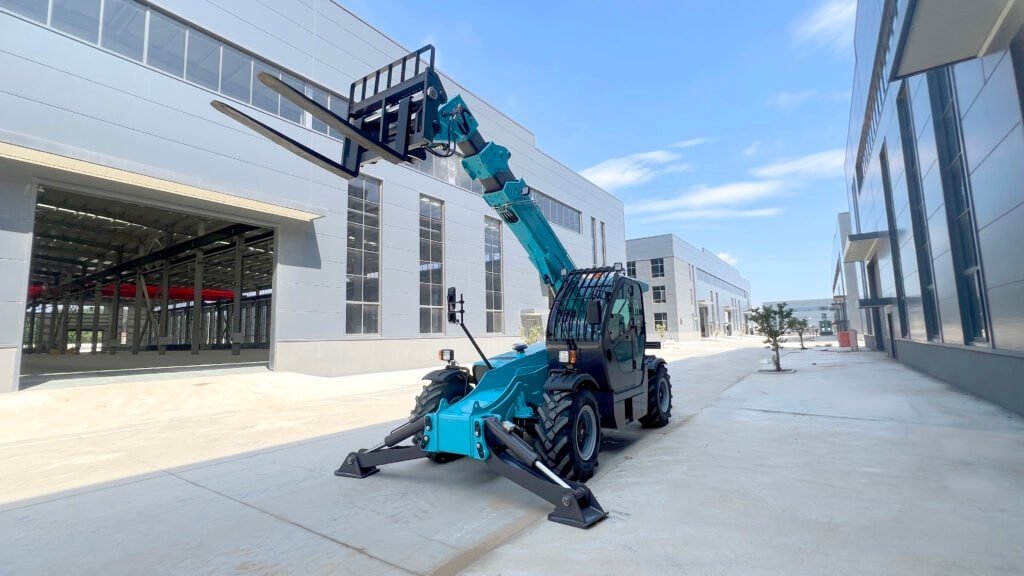
Choosing the right machine feels complex, but I break it down for my clients into two simple questions: What are you lifting, and where are you lifting it? This helps us narrow down the options quickly.
(1). Determining Your Size Needs
First, think about your heaviest typical load. If you regularly lift 2-ton pallets, a 2.5-ton machine gives you a safe margin. Next, what’s your maximum required lift height? If you’re lifting materials to a third-story roof, measure that height and add a buffer. Always check the machine’s load chart, as capacity decreases as the boom extends. Don’t just look at the maximum lift capacity; look at the capacity at your required height and reach.
(2). Fixed vs. Rotating Models
Once you know the size, you need to pick a type.
- Fixed-Frame Telehandlers: These are the most common. The body of the machine stays stationary, and you position the load by moving the entire vehicle. They are simpler, more rugged, and cost-effective for straightforward “pick and carry” tasks.
- Rotating Telehandlers: These machines have a turret that can spin 360 degrees. This means you can park the machine once and service a large area without moving the chassis. They are perfect for tight, congested job sites where maneuvering is difficult. They are more expensive but can save huge amounts of time.
I remember a client in Europe working on a historic building renovation. A fixed-frame telehandler would have been too difficult to reposition in the narrow streets. A rotating model was the perfect solution, saving them dozens of hours per week.
4,Are You Falling for the Common “Parameter Trap”?
You see a spec sheet with a huge lift height and a massive load capacity. It looks impressive. But buying based only on these two numbers is one of the biggest mistakes I see.
The “parameter trap” is focusing on maximum lift and load while ignoring crucial factors like site conditions, attachment needs, and actual work patterns. This leads to an inefficient or unsuitable machine.
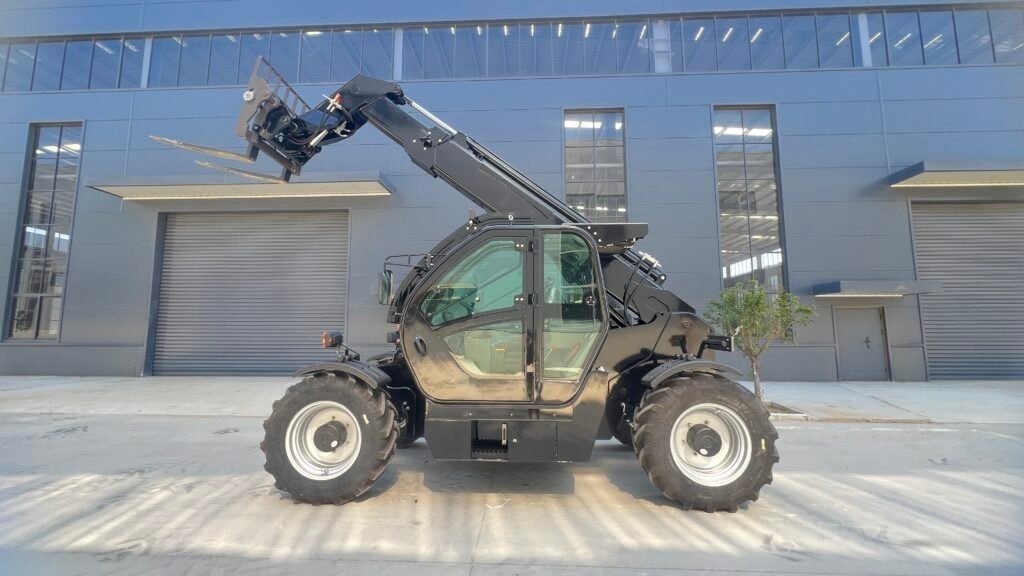
A machine that looks great on paper can be a nightmare on a real job site. I call this the “parameter trap.” Buyers compare spec sheets and pick the one with the biggest numbers, thinking they are getting the most “power.” But the real world is more complicated.
Beyond the Main Specs
Here’s what you should look at instead:
- Site Adaptability: Where will the machine work? A muddy field requires different tires (pneumatic) than a paved warehouse (solid). Will you be in tight spaces? Then steering modes like crab steer and four-wheel steer are essential, not just optional extras. A machine that can’t navigate your site is useless, no matter how high it can lift.
- Attachment Compatibility: A telehandler’s value is in its versatility. Are you planning to use a bucket, a man basket, or a grapple? If so, you must ensure the machine has the necessary hydraulic lines and a quick-coupler system. I’ve seen customers buy a machine only to find out it costs a fortune to add the hydraulics for the attachment they need. Check this from the start.
- Actual Work Cycle: How will you use the machine? If you’re doing frequent, short-distance transport, you need a responsive transmission and good fuel efficiency. If you’re doing static, high-lifting work, the cooling system and hydraulic precision are more important. A machine designed for one task might perform poorly on another.
| Scenario | Wrong Choice (Parameter Trap) | Smart Choice (Application-Focused) |
|---|---|---|
| Muddy Farm | Machine with solid tires (good on paper for no flats). | Machine with large pneumatic tires and 4WD. |
| Tight Warehouse | High-capacity machine with only front-wheel steer. | Smaller machine with crab and 4-wheel steer modes. |
| Needs Multiple Tools | Machine with no extra hydraulic lines. | Machine with a quick coupler and pre-installed auxiliary hydraulics. |
Don’t buy a “jack-of-all-trades” that is a master of none. Buy the right tool for your specific job.
5,Is a Low Purchase Price Costing You More in the Long Run?
Everyone wants a good deal. A low purchase price feels like a win. But what if that “deal” costs you double in repairs, downtime, and lost value over the next five years?
Focusing only on the initial purchase price is a fatal error. The Total Cost of Ownership (TCO), which includes running costs, maintenance, downtime, and resale value, reveals the true cost of the machine.
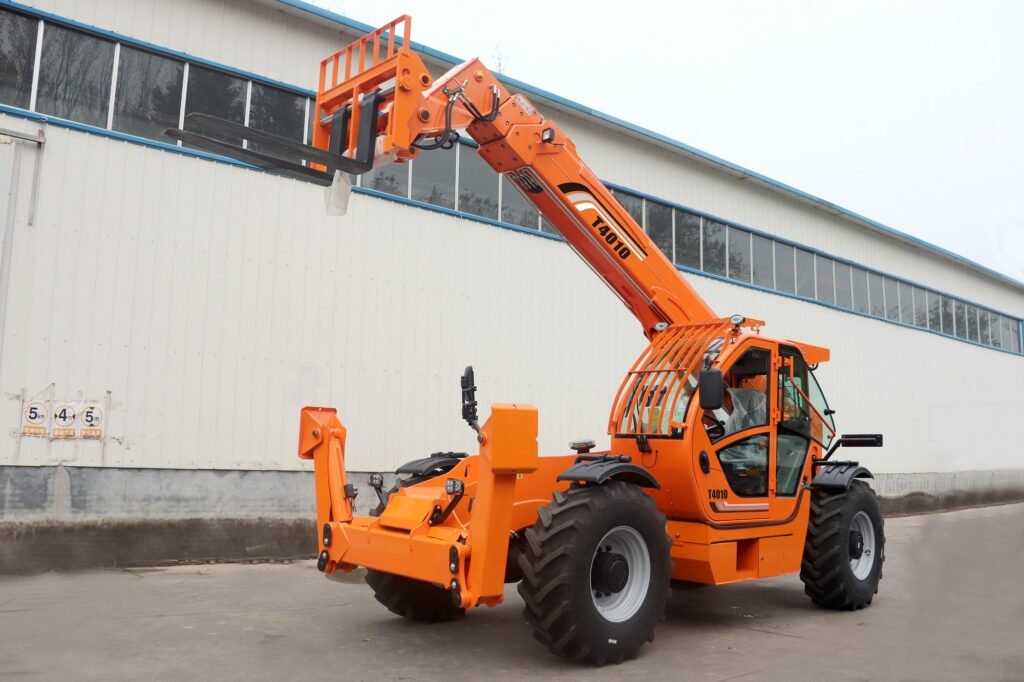
I once had a potential customer in South America who chose a cheaper, unknown brand over ours to save about 15%. A year later, he called me. His machine had been down for three weeks waiting for a simple hydraulic part from overseas. The money he “saved” was lost in a single week of downtime. This is why we must talk about Total Cost of Ownership (TCO). The purchase price is just the tip of the iceberg.
The Four Pillars of TCO
Your real cost is made up of several factors:
- Purchase & Financing: This is the sticker price plus any interest if you are financing. A low initial price might come with high-interest rates.
- Operating Costs: This is your daily expense. It includes fuel, oil, filters, and tires. A fuel-guzzling engine or expensive proprietary filters can quickly erase any initial savings.
- Downtime & Maintenance: When the machine breaks, you lose money twice: once on the repair bill and again on the lost productivity. How fast can you get service? Are parts available locally? A reliable brand with a strong service network is worth its weight in gold.
- Resale Value: After 5-7 years, you will likely sell the machine. A well-known brand with a full service history will command a much higher price than an obscure brand. This difference in resale value can be thousands of dollars, directly impacting your TCO.
| Cost Component | “Cheap” Machine | “Value” Machine |
|---|---|---|
| Purchase Price | $70,000 | $85,000 |
| 5-Year Operating Cost | $40,000 (high fuel, frequent repairs) | $25,000 (efficient, reliable) |
| 5-Year Resale Value | $15,000 | $35,000 |
| Total Cost of Ownership | $95,000 | $75,000 |
As you can see, the machine that cost more upfront was actually $20,000 cheaper to own. Don’t let a low price tag blind you to the real cost.
6,Are You Ignoring Crucial Safety and Compliance Rules?
You bought a powerful machine. Now you just need to get it to work, right? Not so fast. Ignoring safety features and local laws can turn your job site into a legal nightmare.
A telehandler is not a simple machine. Understanding its load chart, ensuring stability, providing certified operator training, and meeting local inspection laws are non-negotiable for safe and legal operation.
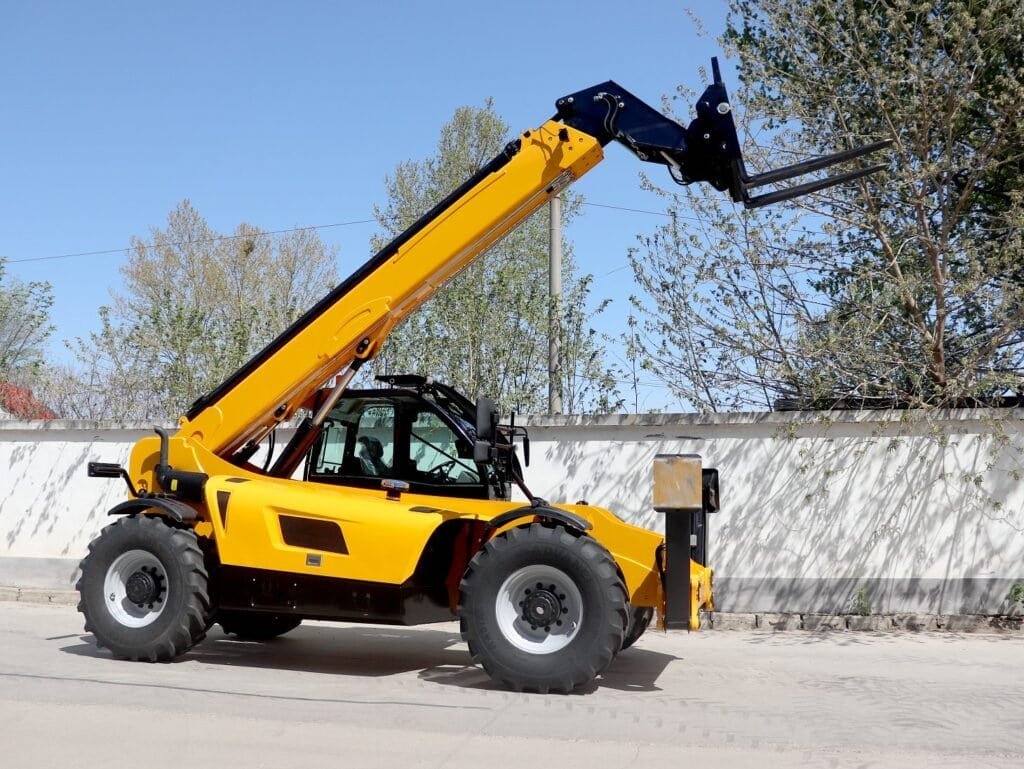
This is the mistake that worries me most, because it puts people at risk. A telehandler is a powerful tool, but it can be dangerous if used improperly. I’ve heard stories of accidents that could have been easily prevented if the company had paid attention to basic compliance.
The “Soft” Mistakes That Have Hard Consequences
These are the critical safety points often overlooked during purchasing:
- The Load Chart: This is the most important document for the machine. It’s not a suggestion; it’s the law of physics. It tells you exactly how much you can lift at different boom angles and extensions. Does the seller provide clear, easy-to-read charts? More importantly, is there a plan to train all operators on how to read it?
- Stability: The machine’s stability is based on its original design. If you add a heavy, non-approved attachment or try to modify the counterweight, you are gambling with physics. You must re-evaluate the machine’s stability. A good manufacturer can provide guidance on this.
- Operator Qualifications: In many countries and regions, operating a telehandler requires a specific certification, somewhere between a forklift license and a crane operator’s license. Does your team have the right qualifications? Buying the machine is only half the battle; you must have a plan to train and certify your people to use it legally.
- Inspections and Insurance: Will the machine you’re buying pass annual safety inspections in your country? This is especially a concern with used or imported machines from different markets. Also, confirm with your insurance provider that they will cover this specific model, especially if it has been modified. An uninsurable machine is a massive liability waiting to happen.
Buying a telehandler without a clear plan for safety and compliance is like buying a car without brakes. It’s not a matter of if you’ll have a problem, but when.
Conclusion
Choosing the right telehandler brand HIXEN when you buying a telehandler, means looking beyond the price tag and big numbers. It means understanding your job, the machine’s true cost, and your responsibility for safety and compliance.Welcome to follow us on Linkedin or Youtube to get more videos when you buying a telehandler.
