
Está buscando un manipulador telescópico nuevo y ve que los precios en China son competitivos. Pero usted se preocupa por la calidad y la confiabilidad, lo que hace que la decisión parezca un gran riesgo.
Los mejores fabricantes de manipuladores telescópicos en China son empresas con base en fábricas con profundos conocimientos de ingeniería, un historial de exportación comprobado y la capacidad de personalizar las máquinas para su trabajo específico. Se centran en el valor y la estabilidad a largo plazo, no solo en el precio inicial más bajo, y ofrecen una solución completa para sus necesidades.
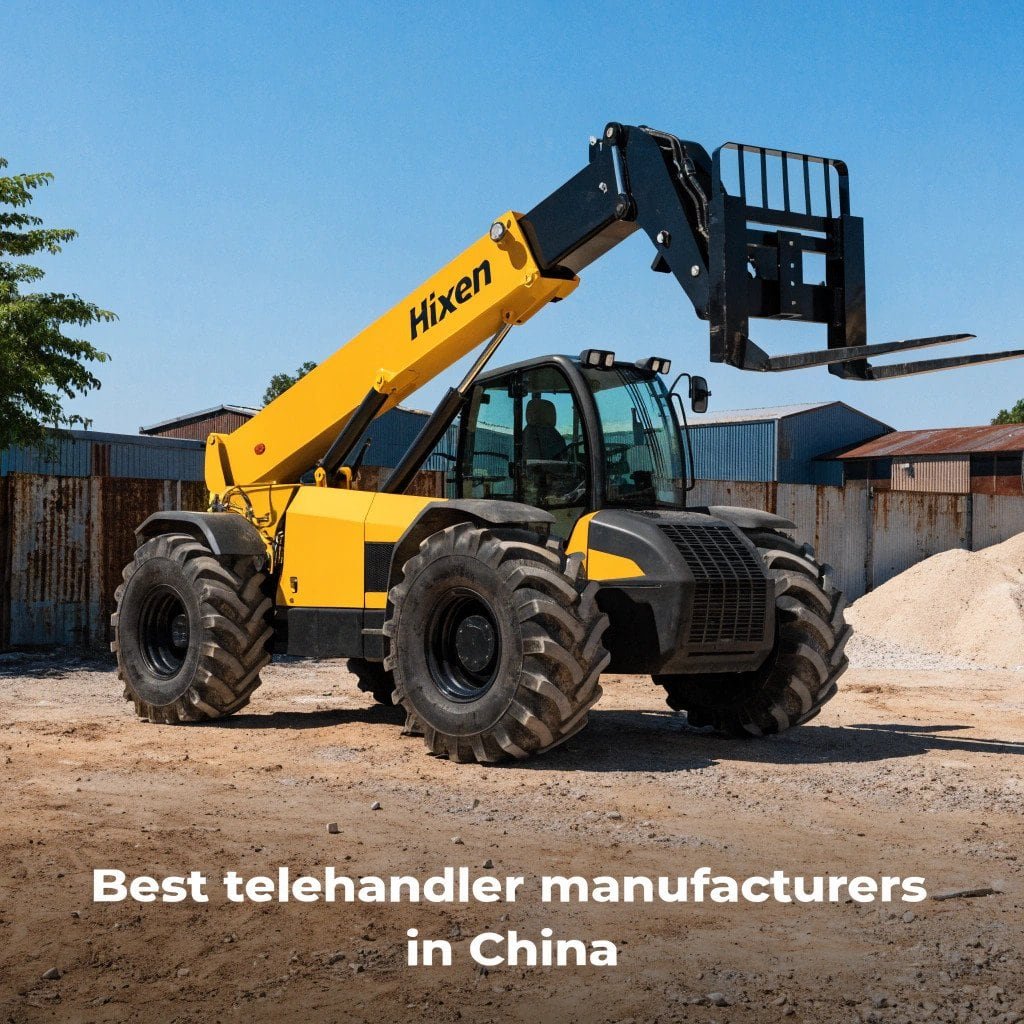
He estado en esta industria por más de 15 años, aquí mismo en el fábrica de hixen en Shandong. He visto cómo la conversación sobre los manipuladores telescópicos chinos ha cambiado por completo. Solía ser una cuestión de "¿quién es el más barato?" Ahora, los compradores expertos de la construcción, la agricultura y las operaciones portuarias están haciendo una pregunta mucho más inteligente: "¿Quién puede darme la máquina más confiable y adecuada para mi presupuesto?" La respuesta no es una simple marca. Se trata de comprender qué hace que un fabricante sea realmente grandioso. Esta guía le explicará exactamente cómo encontrarlos, basándose en lo que veo en la fábrica todos los días. Entremos en ello.
1, ¿los mejores fabricantes de manipuladores telescópicos en China para uso en construcción y agricultura?
Su sitio de construcción necesita una máquina que pueda levantar materiales pesados a lugares altos. Su granja necesita una herramienta versátil para todo lo demás. Encontrar un fabricante que destaque en ambos parece imposible.
Los mejores fabricantes tanto para la construcción como para la agricultura ofrecen una amplia gama de modelos y accesorios. Proporcionan máquinas de alto alcance y carga pesada para la construcción y manipuladores telescópicos ágiles y versátiles con herramientas especializadas como pinzas para balas y cucharones para agricultura, lo que garantiza que usted obtenga la máquina adecuada para el trabajo.
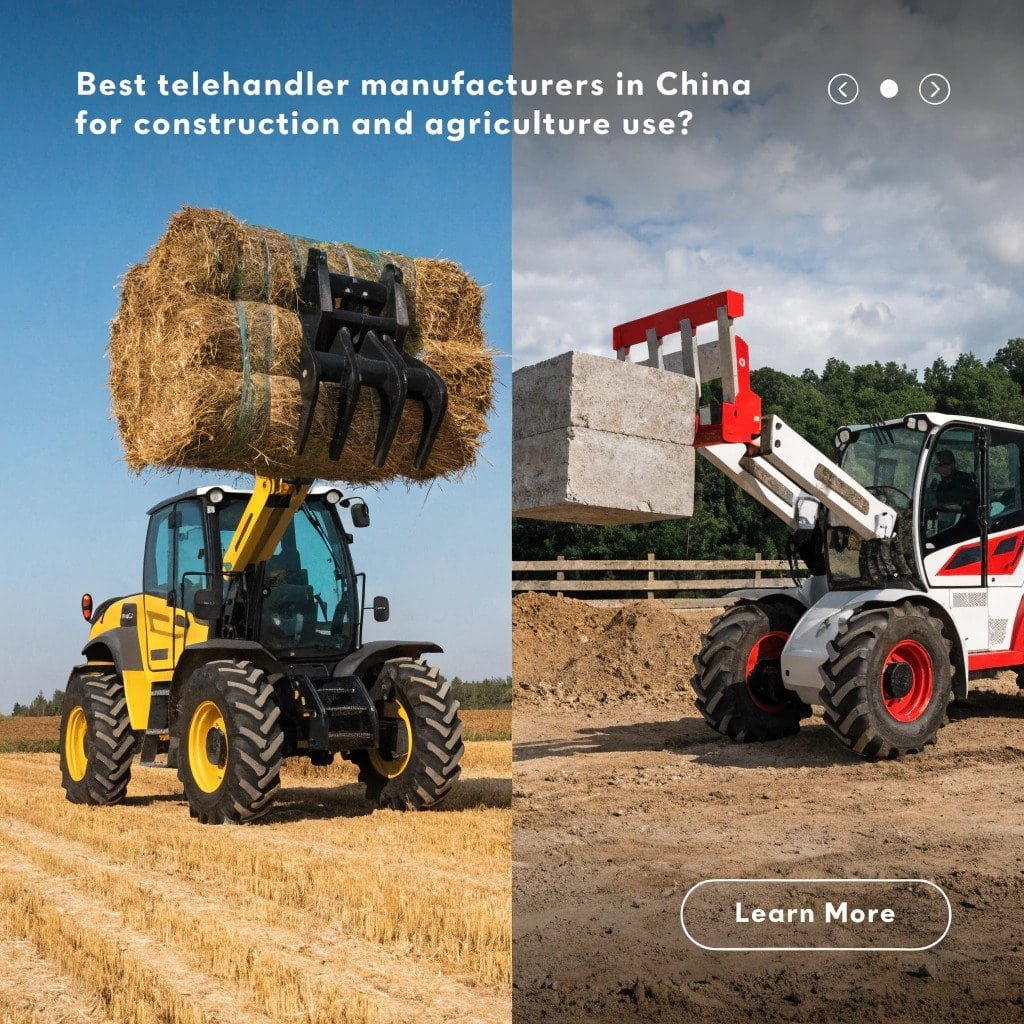
Cuando construimos un manipulador telescópico, la primera pregunta que nos hacemos es: "¿Dónde funcionará esta máquina?" La respuesta lo cambia todo. Una máquina destinada a un proyecto de construcción de un rascacielos en Oriente Medio tiene necesidades muy diferentes a las de una que pasará su vida en una granja en expansión en América del Sur. Los mejores fabricantes no ofrecen una solución única para todos. Ellos entienden los detalles de su trabajo y construyen una máquina a la altura. Este profundo conocimiento de las diferentes aplicaciones es lo que diferencia a una buena fábrica de una excelente. No se trata sólo de ensamblar piezas; se trata de diseñar una solución. Analicemos lo que debes buscar en cada sector.
Demandas clave en proyectos de construcción
En una obra de construcción, un manipulador telescópico es un caballo de batalla. Tiene que ser potente, estable y, sobre todo, seguro. Estás levantando toneladas de material a varios pisos de altura, a menudo por encima de las cabezas de tu equipo. No hay margen de error. La atención se centra aquí en el rendimiento vertical y la integridad estructural. Una máquina barata y mal fabricada es un riesgo que puede provocar fallos catastróficos, retrasos en los proyectos y costes inmensos. Es por eso que los compradores serios de la construcción ahora miran más allá del precio y se centran en la ingeniería central de la máquina. Quieren ver pruebas de resistencia estructural, un sistema hidráulico suave y con capacidad de respuesta y características de seguridad que cumplan con los estándares internacionales.
Recuerdo a un cliente de una gran empresa constructora en África. Dudaba en cambiarse de una marca europea conocida. Necesitaba un manipulador telescópico de 17 metros para un nuevo proyecto hotelero. No solo le enviamos una cotización. Le enviamos videos detallados de nuestras pruebas de tensión estructural, datos sobre los tiempos de ciclo de nuestro sistema hidráulico y un estudio de caso de un proyecto similar en el sudeste asiático. Vio que nuestra máquina no era una “alternativa barata”, sino una pieza de ingeniería robusta diseñada exactamente para el tipo de trabajo de alta intensidad que él hacía. Ese es el nivel de detalle que ofrece un fabricante importante.
Características esenciales para el trabajo agrícola
La agricultura es una historia diferente. La versatilidad es el nombre del juego. Un día podría estar apilando fardos de heno, al día siguiente podría estar cargando grano y al día siguiente podría estar limpiando un granero. Su manipulador telescópico debe ser una navaja suiza. Esto significa que el fabricante debe ofrecer una amplia gama de accesorios y un sistema de enganche rápido que haga que cambiar entre ellos sea rápido y sencillo. La máquina también debe ser lo suficientemente maniobrable para navegar en espacios reducidos en graneros y alrededor de silos. La eficiencia del combustible también se vuelve más importante, ya que la máquina puede estar funcionando durante muchas horas al día.
Trabajamos con una cooperativa agrícola en Brasil que necesitaba mejorar su flota. Su principal preocupación era el tiempo de inactividad. No podían darse el lujo de que una máquina se averiara durante la temporada de cosecha. Por eso nos centramos en la fiabilidad. Explicamos cómo nuestra elección de motor y componentes hidráulicos se basó en la durabilidad a largo plazo y la facilidad de mantenimiento. También configuramos sus máquinas con accesorios específicos para sus cultivos, como pinzas para balas especializadas y cucharones a granel. Nos eligieron no porque fuéramos los más baratos, sino porque ofrecíamos un sistema completo y confiable que mantendría su operación funcionando sin problemas.
| Característica | Enfoque de construcción | Enfoque agrícola |
|---|---|---|
| Necesidad primaria | Alto alcance, gran capacidad de elevación | Versatilidad, maniobrabilidad. |
| Especificaciones clave | Altura máxima de elevación (p. ej., 7-18 m), carga máxima (p. ej., 2-7 toneladas) | Compatibilidad de accesorios, radio de giro |
| Adjuntos | Horquillas, foques, plataformas de trabajo. | Cucharones, pinzas para balas, horquillas para estiércol |
| Ambiente | Terreno irregular y accidentado | Terreno mixto, espacios reducidos. |
| Valor fundamental | Integridad estructural, seguridad. | Fiabilidad, eficiencia, versatilidad. |
2, explicación de la industria de manipuladores telescópicos de China: ¿Quiénes son los mejores fabricantes?
La etiqueta “Hecho en China” en los equipos pesados solía significar una cosa: barato. Ahora se oye hablar de calidad y personalización, pero es difícil saber en quién confiar. ¿Quiénes son los verdaderos jugadores?
Los mejores fabricantes de manipuladores telescópicos son empresas directas de fábrica con control total sobre su línea de producción, desde el acero en bruto hasta el ensamblaje final. Han ido más allá de la imitación y ahora invierten fuertemente en investigación y desarrollo, ingeniería estructural y adaptación de diseños a los mercados globales, lo que los diferencia de las simples empresas comerciales.
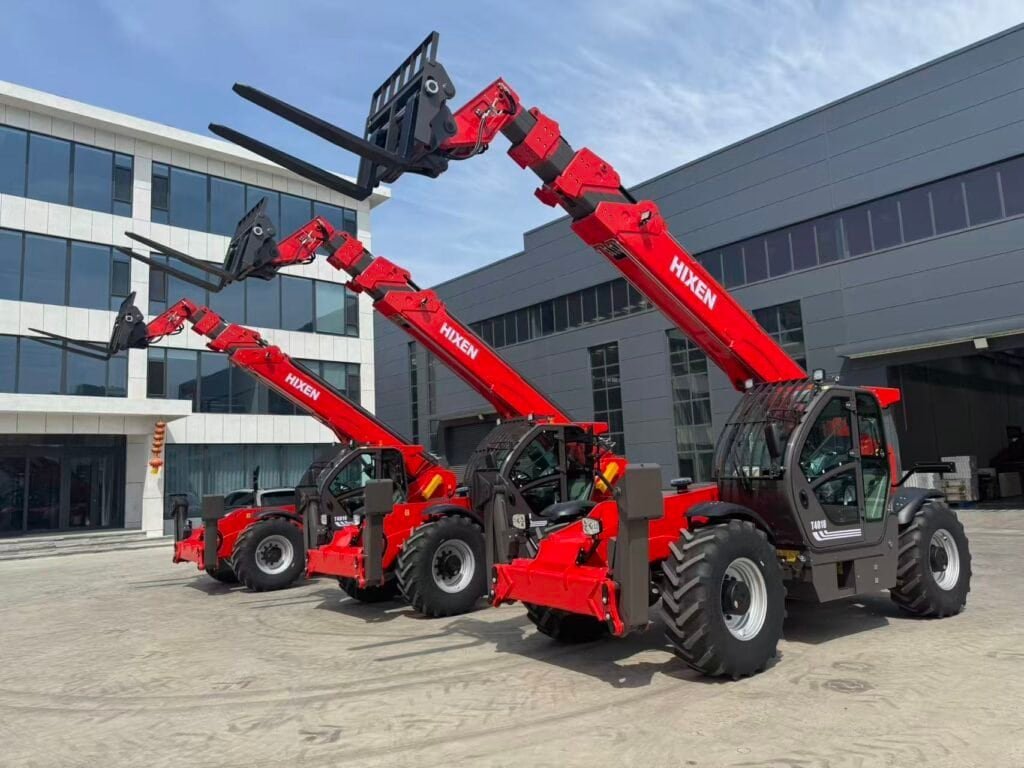
El cambio en la industria de los manipuladores telescópicos de China no se produjo de la noche a la mañana. Llevo 15 años aquí y he visto la evolución de primera mano. Al principio, muchas empresas simplemente copiaban diseños de marcas occidentales y competían en precios. La calidad era inconsistente. Pero algunas empresas, incluida la nuestra, tomaron un camino diferente. Sabíamos que para competir globalmente a largo plazo teníamos que ser verdaderos fabricantes, no sólo ensambladores. Invertimos en nuestros propios equipos de ingeniería, nuestras propias instalaciones de producción y nuestros propios procesos de control de calidad. Este cambio del “precio” al “valor” es el avance más importante en nuestra industria. Creó una clara división entre diferentes tipos de proveedores.
Los tres tipos de proveedores chinos
Cuando empiezas a buscar un manipulador telescópico de China, generalmente encontrarás tres tipos de empresas. Comprender la diferencia es fundamental para tomar una buena decisión.
- Empresas comerciales: Estos son intermediarios. No fabrican nada. Encuentran una fábrica, agregan su margen de beneficio y le venden la máquina. A menudo tienen sitios web y equipos de ventas ingeniosos, pero no tienen control sobre la calidad, la producción o la personalización. Si algo sale mal, es una persona más al teléfono intentando comunicarse con la fábrica. Compiten casi exclusivamente en precio y pueden ser una elección arriesgada para una pieza de maquinaria compleja.
- Grandes empresas estatales (EPE): Se trata de corporaciones gigantes que producen una amplia gama de equipos de construcción. Tienen una escala masiva y reconocimiento de marca dentro de China. Sin embargo, pueden tardar en innovar y, a menudo, son menos flexibles cuando se trata de personalización para mercados extranjeros específicos. Su principal objetivo suele ser proyectos masivos de infraestructura nacional, por lo que las necesidades de un único comprador internacional podrían no ser su principal prioridad.
- Fabricantes directos de fábrica (como HIXEN): Este es el punto óptimo y es donde se encuentran los "mejores" fabricantes. Se trata de empresas que poseen y operan sus propias fábricas. Tienen ingeniería, I+D y control de calidad internos. Debido a que controlamos todo el proceso, podemos ofrecer una personalización profunda, garantizar una calidad constante y brindar soporte directo y experto. Tenemos la agilidad para adaptar nuestros diseños a diferentes mercados y aplicaciones. Por ejemplo, podríamos usar un motor diferente para un mercado con estándares de emisiones específicos o reforzar el chasis para un cliente que trabajará en un entorno minero exigente. Este es el modelo que proporciona la mejor combinación de calidad, flexibilidad y valor.
Lo que realmente significa para usted "Factory-Direct"
Elegir un fabricante de manipulador telescópico directo de fábrica significa que está hablando con las personas que realmente están construyendo su máquina. Cuando tiene una pregunta técnica, la respuesta la obtiene un ingeniero, no un vendedor que lee un folleto. Cuando necesite una modificación específica, podemos acudir al equipo de diseño y analizar la viabilidad. Esta línea directa de comunicación no tiene precio. Elimina malentendidos, acelera el proceso y garantiza que obtenga exactamente la máquina que necesita. También significa que tenemos un interés a largo plazo en su éxito. Nuestra reputación se basa en el rendimiento de nuestras máquinas, por lo que invertimos en asegurarnos de que funcionen bien para usted en los años venideros.
3, ¿Guía para elegir los mejores fabricantes de manipuladores telescópicos en China (edición 2026)?
You know you need to look beyond the price, but what exactly should you be looking for? Creating a checklist of questions to ask a potential supplier feels overwhelming.
A smart guide for choosing a telehandler manufacturer involves a deep dive into four areas: their production capability, customization options, real-world performance proof, and their export experience. The best suppliers of telehandler can provide clear, confident answers and evidence for all four points, demonstrating their competence.
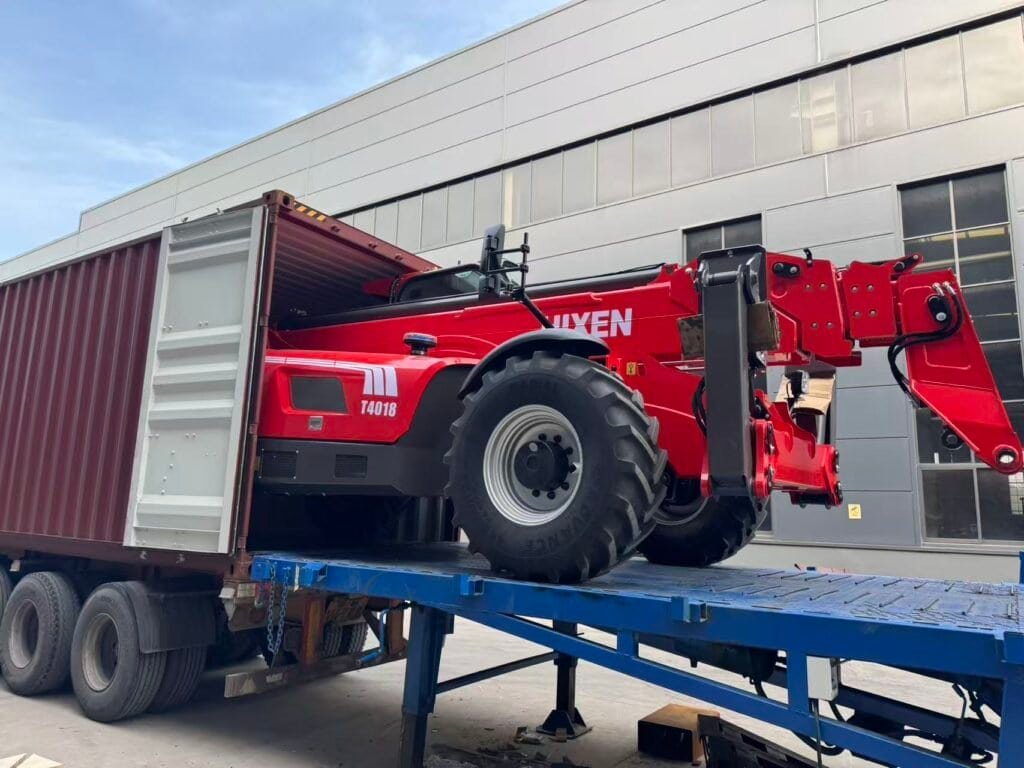
De cara al año 2026 y más allá, el proceso de compra de un manipulador telescópico en China se está volviendo más sofisticado. Los compradores de manipuladores telescópicos que obtienen mejores resultados son los que hacen sus deberes. Actúan menos como compradores y más como socios comerciales que buscan una solución a largo plazo. Hacen preguntas difíciles y esperan respuestas detalladas. Basándome en miles de conversaciones con compradores de más de 20 países, he compilado la lista de verificación esencial que debes utilizar. No envíe simplemente un correo electrónico pidiendo un precio. Utilice este marco para tener una conversación real con proveedores potenciales. Así es como se separa a los contendientes de los pretendientes.
Su lista de verificación esencial para la investigación de fabricantes
Utilice esta tabla como guión para su primera conversación detallada con un proveedor potencial. Sus respuestas (o la falta de ellas) le dirán todo lo que necesita saber.
| Categoría | Pregunta clave para hacer | Cómo se ve una buena respuesta | Bandera roja |
|---|---|---|---|
| 1. Capacidad de producción | "¿Es usted dueño de su fábrica? ¿Puedo ver su línea de producción, ya sea en persona o mediante un recorrido en video en vivo?" | "Sí, somos un fabricante directo de fábrica. Podemos programar una videollamada ahora mismo y mostrarle nuestras líneas de soldadura, ensamblaje y pintura". | "Trabajamos con una fábrica asociada". o “Es difícil organizar una gira”. |
| 2. Personalización | "Necesito un manipulador telescópico para [su tarea específica]. ¿Pueden modificar la pluma, el chasis o el sistema hidráulico según mis necesidades?" | “Absolutely. Let’s discuss your work. We can reinforce the chassis for heavy loads or install a specific brand of hydraulic valve you prefer.” | “We only offer standard models. Customization is not possible.” |
| 3. Performance Proof | “Can you provide real-world performance data, case studies, or videos of your machines working in a similar application?” | “Of course. We have a case study from a construction project in [a similar country] using that exact model. Here is the video and operational data.” | “Our machines are very good.” (with no evidence to back it up). |
| 4. Export Experience | “What is your experience exporting to my region? Do you understand our shipping logistics, import duties, and service requirements?” | “We have shipped over 50 units to [your region] in the last two years. We are familiar with the process and have service partners on the ground.” | “We can ship anywhere.” (a vague answer that shows no specific knowledge). |
| 5. After-Sales Support | “What happens if I have a problem? How do I get spare parts and technical support?” | “We offer a full warranty and have a dedicated support team. We stock all critical parts and can ship them via express air within 48 hours.” | “You can find parts locally.” or “Problems are very rare.” |
Profundizando más: más allá de la lista de verificación
This checklist is your starting point. A truly great partner will welcome these questions. They will be proud to show you their factory. They will have engineers ready to discuss your technical needs. They will have a library of case studies and happy customers. I once spent an hour on a video call with a potential dealer in Chile. We didn’t talk about price once. Instead, I walked him through our entire factory on my phone. He saw the quality of our welds.
He saw our testing area where every single machine is put through a rigorous final inspection. He spoke with one of our lead engineers about the specific challenges of operating machinery in the high altitudes of the Andes. By the end of the call, he wasn’t buying a machine; he was forming a partnership. That is the goal.
4, ¿Por qué China alberga ahora a los mejores fabricantes de manipuladores telescópicos del mundo?
You still think of top-tier heavy machinery coming from Europe, Japan, or the US. The idea that the “best” could now be from China seems like a stretch. How did this happen?
China is now home to the best telehandler manufacturers because they combine a complete and mature industrial supply chain with a massive domestic market and a fierce drive to compete globally. This unique combination allows them to innovate quickly, produce at scale, and offer high-value, customizable solutions.
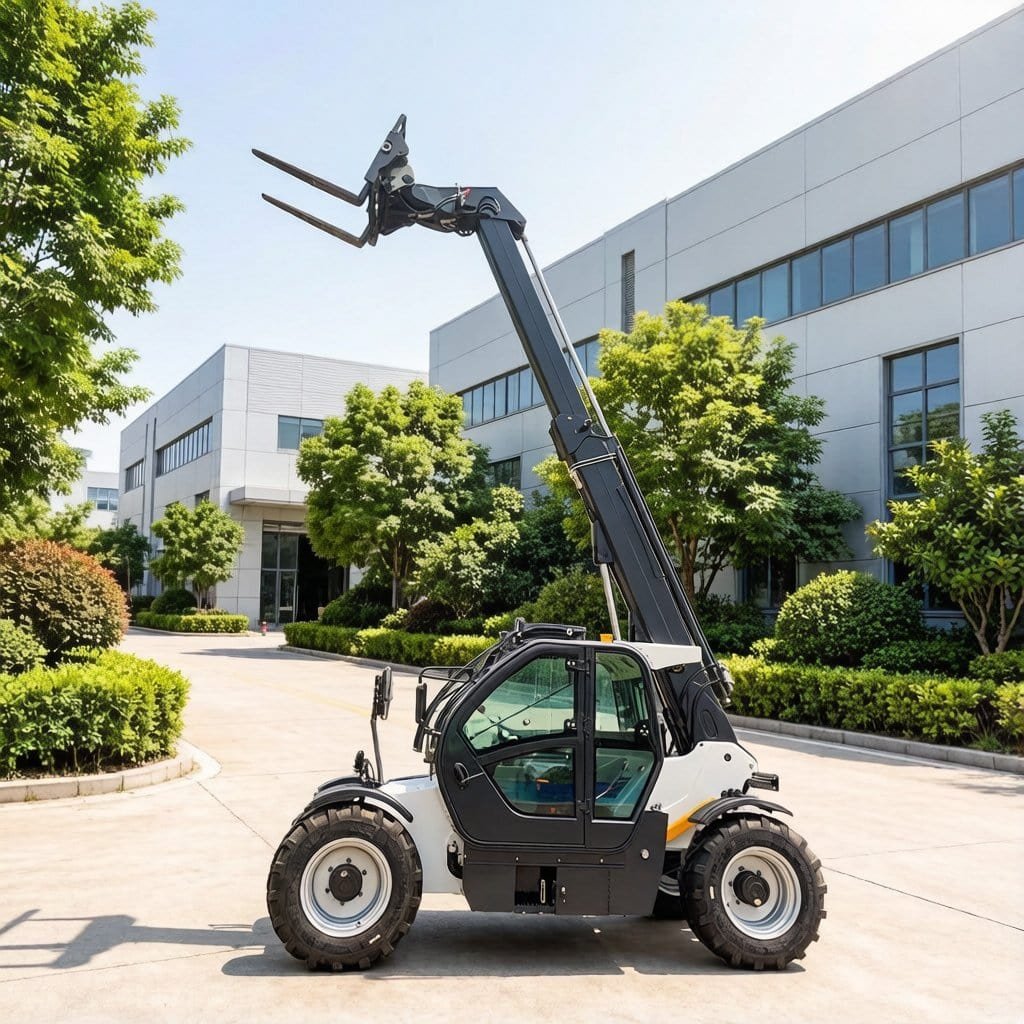
This isn’t just about being cheaper anymore. The story is much bigger than that. For years, the world’s top brands have been manufacturing parts, or even whole machines, in China. This process transferred an immense amount of knowledge, skill, and technology. An entire ecosystem of high-quality component suppliers for things like engines, axles, and hydraulics has grown up here. At the same time, China’s own massive construction and infrastructure boom created a huge domestic market that demanded millions of pieces of equipment.
This allowed Chinese telehandler manufacturers to scale up production and perfect their processes in a way that is impossible in smaller markets. Now, that powerful combination of supply chain mastery and production scale is being turned outwards to the global market.
La combinación inmejorable: escala, velocidad y cadena de suministro
Let’s break down the key factors that created this shift. It’s a powerful mix that is hard for other countries to replicate.
- Complete Industrial Supply Chain: In China, especially here in Shandong province, we are at the center of a massive industrial hub. High-quality steel, engines from world-class brands (both domestic and joint-venture), hydraulic systems, and electronics are all available within a few hundred kilometers. This drastically reduces logistics costs and production time. When a customer needs a special part, we don’t have to wait for it to be shipped from another continent. This proximity allows for incredible speed and flexibility.
- Massive Production Scale: The sheer volume of machinery produced in China is staggering. Our factory, for example, has a monthly capacity of 1,000 units. This scale allows us to invest in advanced manufacturing technologies like robotic welding and automated painting lines. It also gives us immense purchasing power with our suppliers, which helps us control costs without sacrificing quality. We can build a high-quality, customized telehandler faster and more efficiently than almost anyone else.
- Engineering Talent and Rapid R&D: China now graduates millions of engineers every year. This has created a huge pool of talent that is hungry to innovate. At HIXEN, our R&D cycle is incredibly fast. We can take customer feedback from a mining site in Australia, develop a stronger boom design, test a prototype, and put it into production in a matter of months, not years. This rapid, market-driven innovation means our machines are constantly improving and adapting to real-world conditions. We are not just building machines based on old designs; we are actively engineering the next generation of telehandlers.
The bottom line is that Chinese telehandler manufacturers are no longer playing catch-up. They are leveraging a unique set of advantages to lead. The focus has shifted from making a cheaper copy to engineering a better, more adaptable, and higher-value machine from the ground up.
5. No elija a ciegas: ¿comparados los mejores fabricantes de manipuladores telescópicos de China?
You’re getting quotes, and they all look different. One is from a big famous brand, one is from a slick trading website, and one is from a factory you’ve never heard of. How do you compare them?
Don’t just compare the final price. Compare what’s behind the price: the type of company, their level of control over quality, and their ability to support you after the sale. A factory-direct manufacturer offers the best balance of quality, customization, and long-term value.
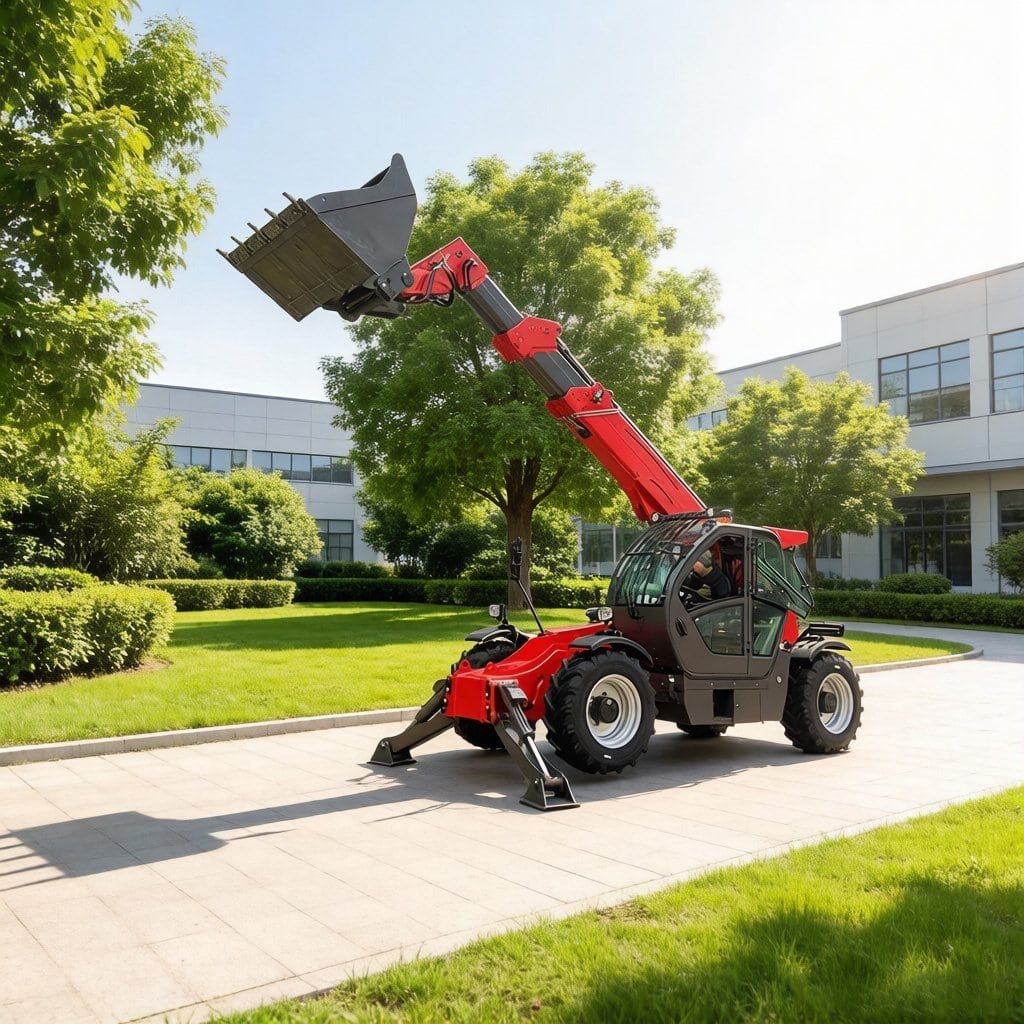
Choosing a telehandler supplier can feel like you’re trying to pick a needle out of a haystack. The internet is flooded with options, and it’s hard to tell who is real and who is just a middleman. I’ve seen many international buyers make the mistake of focusing only on the number at the bottom of the quote. This is a trap. The cheapest offer is rarely the best deal in the long run. A breakdown on a critical job site will cost you far more than you saved on the initial purchase.
To make a smart choice, you need to understand the fundamental differences between the types of suppliers you are talking to of telehandler manufacturers. They are not all the same. Let’s compare them side-by-side so you can see the clear differences.
Comparación de modelos de proveedores: un desglose cara a cara
Think of your decision in terms of who you are actually doing business with. Is it the person who builds the machine, or someone who just sells it?
| Aspect | Trading Company | Large SOE (State-Owned Enterprise) | Factory-Direct Manufacturer (e.g., HIXEN) |
|---|---|---|---|
| Who they are | A middleman/reseller. | A massive, often state-backed corporation. | The actual factory that designs and builds the machine. |
| Quality Control | None. They rely on the factory they choose. | Generally good, but standardized. Less flexibility. | Full control. From raw material inspection to final testing. |
| Customization | Very limited or none. They sell what the factory makes. | Difficult. Their production lines are set up for mass-producing standard models. | A core strength. Can modify engines, hydraulics, chassis, attachments, etc. |
| Precio | Seems low, but includes a hidden markup. Lowest value. | Higher price point due to brand name and overhead. | Competitive price for high value. No middleman markup. |
| Communication | You talk to a salesperson who then talks to the factory. Slow and prone to errors. | Can be bureaucratic and slow. You are a small customer to them. | Direct communication with engineers and the production team. Fast and clear. |
| After-Sales Support | Very weak. They pass you off to the factory, which may not even know who you are. | Standardized support, but can be slow to respond to international individual needs. | Direct factory support. Fast spare parts shipping. Direct access to technical experts. |
La elección inteligente: el socio directo de fábrica
As you can see from the table, the factory-direct model offers the most advantages for an international buyer. You get the transparency of knowing exactly who is building your machine. You get the flexibility to have it built to your exact specifications. And you get the security of knowing you have a direct line to the experts for support when you need it.
I once worked with a customer who first bought a telehandler from a trading company because the price was 15% lower than our quote. Six months later, he called me. The machine had a hydraulic issue, and the trading company was unresponsive. The factory they used wouldn’t help him because he wasn’t their direct customer. He ended up having to hire an expensive local mechanic to try and fix a machine nobody understood.
He told me, “I saved 15% on the price but lost 100% on the value.” He is now one of our best customers. This is a story I’ve seen play out many times. Don’t learn this lesson the hard way. Choose your partner, not just your price.
6, ¿Por qué China alberga ahora a los mejores fabricantes de manipuladores telescópicos del mundo? (Perspectivas futuras)
Okay, China’s manufacturing is strong now. But is this sustainable? Where is the industry heading, and will they continue to lead in the future?
Yes, China’s leadership is sustainable and set to grow. The future is focused on smart technology, green energy, and deeper global integration. Manufacturers are already developing electric telehandlers, IoT-enabled fleet management, and highly specialized machines, ensuring they will continue to offer the best solutions.
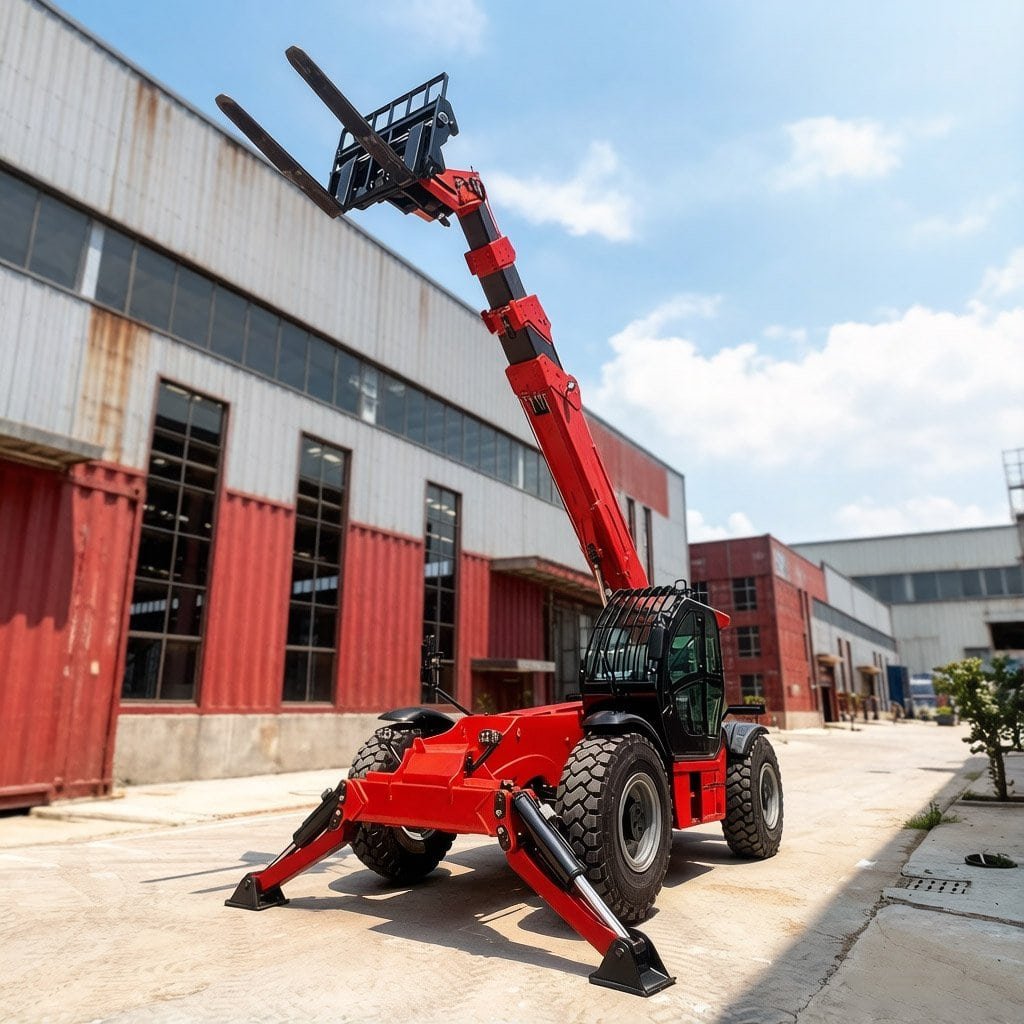
The incredible growth of the Chinese telehandler industry is not the end of the story; it’s just the beginning. The same forces that allowed us to catch up are now propelling us to lead the next wave of innovation. At HIXEN, our R&D department isn’t just focused on making today’s machines stronger or more efficient. We are actively working on the machines of tomorrow. The global construction and agriculture industries are facing huge shifts—pressure to reduce emissions, demands for more data and efficiency, and the need for automation. Chinese manufacturers are at the forefront of tackling these challenges. The future isn’t just about building good machines; it’s about building smart and sustainable ones.
La próxima frontera: tecnología, energía verde e integración global
The top telehandler manufacturers are not standing still. Here are the three key areas where we are pushing the industry forward, ensuring China remains the hub for telehandler innovation.
- Electrification and Green Energy: The demand for low-emission and zero-emission equipment is growing everywhere. We are investing heavily in developing fully electric telehandlers. This isn’t just about swapping a diesel engine for a battery. It requires a complete redesign of the machine’s powertrain and hydraulic system to optimize performance and battery life. We already have prototypes undergoing rigorous testing. These machines will offer quieter operation, lower running costs, and the ability to work indoors or in environmentally sensitive areas. They represent the next big leap for the industry.
- Smart Technology and IoT: What if your telehandler could tell you when it needs maintenance? What if you could track the fuel efficiency and productivity of your entire fleet from your phone? This is already becoming a reality. We are integrating IoT (Internet of Things) telematics into our machines. This technology provides real-time data on machine health, location, and usage. For a fleet manager or a dealer, this information is incredibly valuable. It allows for preventative maintenance, reduces downtime, and optimizes how equipment is used on the job site.
- Deeper Specialization and Customization: As global markets mature, the need for highly specialized machines increases. A “standard” telehandler is no longer good enough for many applications. We are working on developing machines for niche industries like mining, waste management, and event logistics. This involves creating unique boom designs, specialized attachments, and even custom software controls. Our ability to do rapid, flexible R&D means we can partner with clients to co-develop a machine that is perfectly tailored to their unique operational challenges. This level of deep collaboration is the future of manufacturing.
The point is this: the best Chinese manufacturers are looking five, ten years down the road. We are building the capacity not just to meet the market’s current needs, but to anticipate and define its future needs.
7, Los mejores fabricantes de manipuladores telescópicos en China para proyectos de construcción: ¿visión de HIXEN?
You run a construction business. You need machines that are tough, reliable, and get the job done without excuses. How does a Chinese factory like HIXEN truly meet those demands?
From our 15 years of factory-direct experience, the best telehandlers for construction come from understanding that every project is unique. It’s about providing a machine that is not just powerful, but specifically engineered and reinforced for the high-stress, non-stop environment of a modern job site.
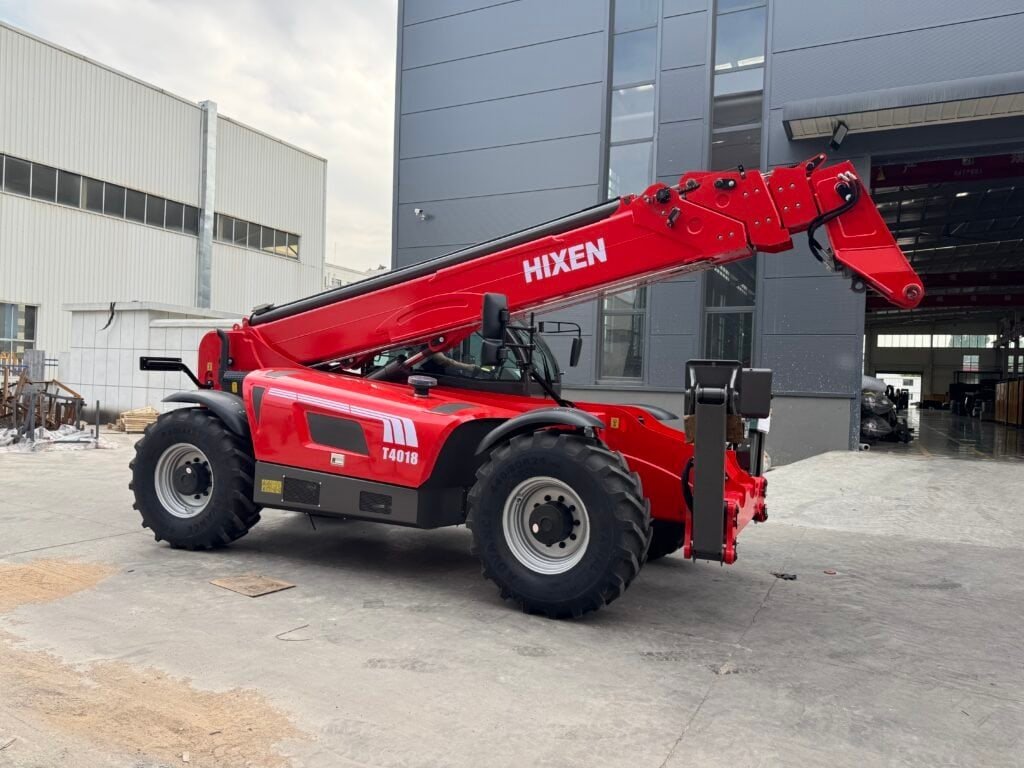
When a construction manager calls me, I know their primary concerns are safety, uptime, and performance. A telehandler is a critical tool, and if it fails, the entire project can grind to a halt. At HIXEN, we don’t just sell machines; we build partners for the job site. With a production capacity of 1,000 units a month and experience exporting to over 20 countries, we’ve seen nearly every type of construction environment imaginable. This experience is built into the DNA of every telehandler that leaves our factory. We know what breaks, what wears out, and what needs to be reinforced to survive years of hard work. That insight is our most valuable asset.
Los principios básicos de nuestra fábrica para manipuladores telescópicos de construcción
We build our machines based on direct feedback from the field. It’s a continuous loop of learning and improving. Here’s what we focus on to ensure our telehandlers exceed the demands of any construction project.
- Structural Integrity Above All Else: The boom and chassis are the backbone of the machine. We use high-strength Q345B steel, the same grade used in major bridges and structures. Our welding is done by a combination of skilled technicians and precision robots to ensure every joint is perfect. Before a new design is approved, we put it through finite element analysis (FEA) on a computer, simulating decades of stress. Then, we build a physical prototype and put it on a test rig that puts it through thousands of lift cycles at maximum load. We are obsessed with making sure our machines are structurally sound because we know lives depend on it.
- Responsive and Reliable Hydraulics: A jerky or slow hydraulic system is not just inefficient; it’s dangerous. We source our hydraulic pumps, valves, and hoses from trusted international and top-tier domestic brands. But we don’t stop there. Our engineers spend countless hours tuning the system, ensuring the boom extends and retracts smoothly and the controls are intuitive for the operator. A good operator should feel like the machine is an extension of their own body. That’s the level of responsiveness we aim for.
- Customization for Your Job Site: We know a construction site in the desert of the UAE has different challenges than one in the cold of Canada. We offer a range of customizations to match. This can include:
- Engine Options: We can fit engines that meet specific emission standards (like Euro V or Tier 4 Final) or choose simpler, mechanically-controlled engines for regions where advanced electronics are difficult to service.
- Cabin Comfort: For hot climates, we install powerful air conditioning systems. For cold climates, we offer robust heaters and even heated seats. A comfortable operator is a productive and safe operator.
- Specialized Attachments: Beyond standard forks, we provide customized jibs for lifting suspended loads, man-baskets for safely working at height, and buckets for site cleanup.
A few years ago, a contractor in Australia needed a telehandler for a tunnel project. The space was tight, and the air quality was a concern. We worked with them to build a machine with a slightly lower overall height and equipped it with a top-of-the-line exhaust purification system (a diesel particulate filter). It wasn’t an off-the-shelf model, but it was the perfect solution for them. That is the HIXEN difference. We listen, we engineer, and we deliver.
Conclusión
Choosing the best telehandler manufacturers in China means looking past price. It’s about finding a true factory partner who offers engineering expertise, customization, and a commitment to your long-term success. Follow us on Linkedin to get more information!
