
Choosing the right telehandler can feel overwhelming, with countless models and specifications available, but selecting the wrong one often leads to budget overruns or, worse, safety hazards. Many construction and industrial sites struggle with inefficient operations or even accidents due to equipment that doesn’t quite match their specific needs. This article provides a clear, actionable framework, breaking down the essential decision-making factors to help you precisely identify which telehandler suits your jobsite.
A telehandler suits your jobsite best when its lifting height, load capacity, and operational characteristics align perfectly with your specific project requirements and site conditions. This ensures optimal safety, efficiency, and cost-effectiveness, avoiding over-specifying or under-equipping your operations for tasks like material handling, lifting, and placing diverse loads.
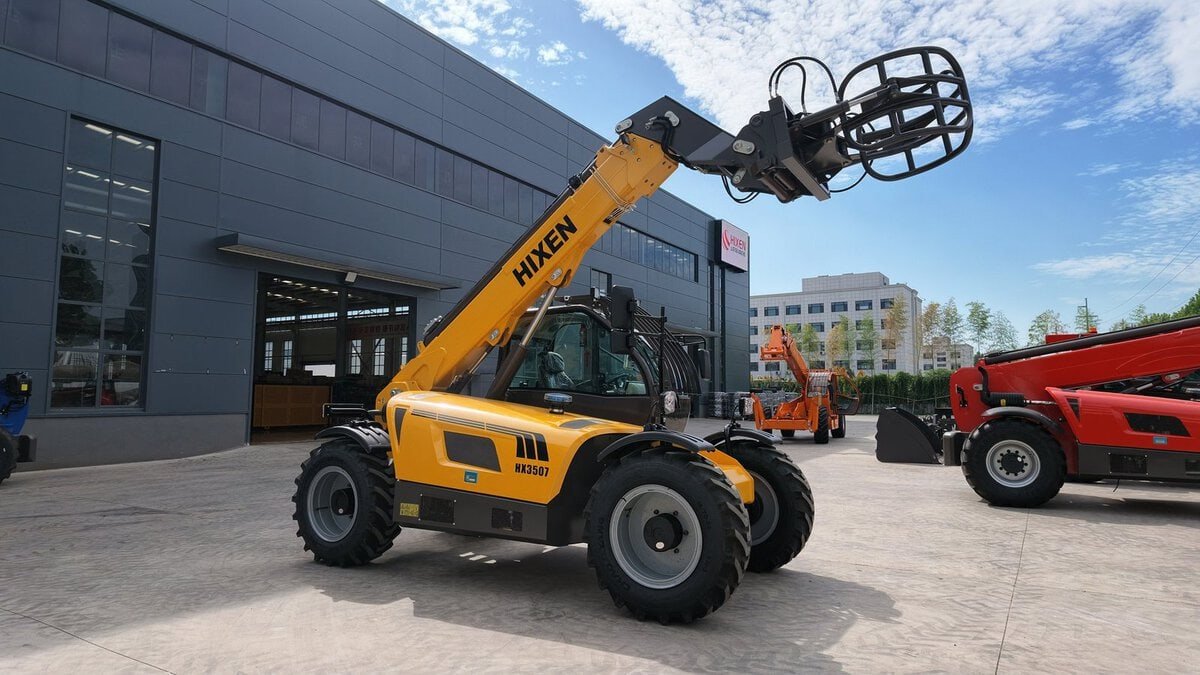
The decision-making process for heavy machinery shouldn’t be a shot in the dark. Instead, it requires a methodical approach, starting with a deep understanding of your own needs. Let’s delve into the core considerations that will guide you to the ideal telehandler for your operations.
1,How Do I Define My Core Operational Needs for a Telehandler?
Many project managers find themselves staring at spec sheets, unsure where to begin their equipment selection. Without clearly defined operational needs, you risk choosing a telehandler that’s either too powerful and expensive or, conversely, inadequate for your heaviest or highest tasks. This confusion can lead to project delays and unnecessary costs.
Defining your core operational needs for a telehandler involves precisely outlining your required lifting height, maximum load capacity, and the specific physical conditions of your jobsite. This initial self-assessment forms the bedrock of an informed decision, ensuring the telehandler you select is inherently suited to your daily tasks.
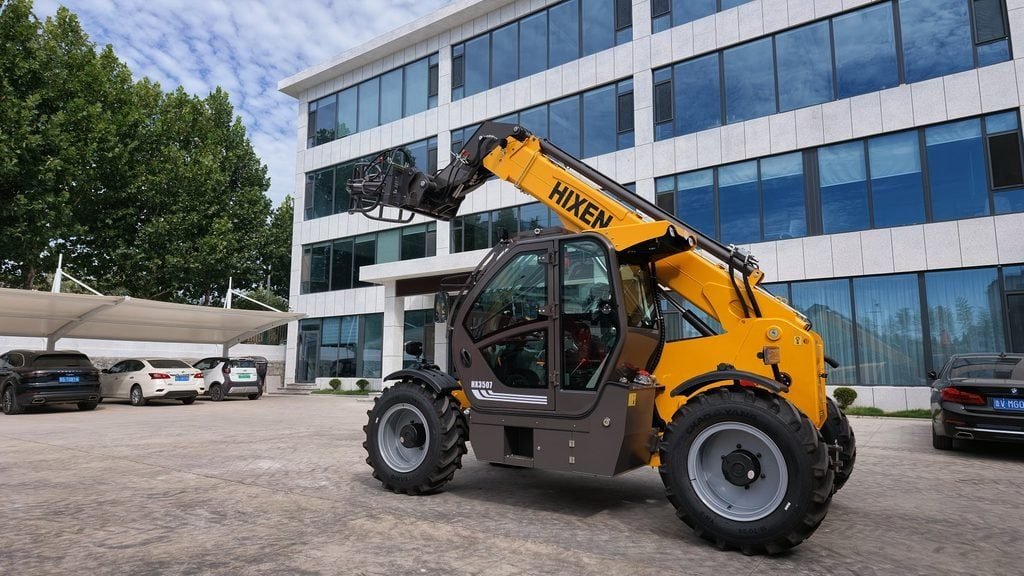
Dive Deeper: The Foundation of Telehandler Selection
Before you even glance at a telescopic handler’s specifications, you must first understand the demands your jobsite will place on it. This foundational step is critical to selecting equipment that not only performs the job but also does so safely and efficiently. I’ve seen countless situations where a rush to purchase leads to a mismatch, hindering productivity rather than enhancing it. It is about identifying the specific tasks a telehandler needs to achieve, the environment it will operate in, and the materials it will handle.
Understanding Height and Reach Requirements
One of the most common pitfalls I observe is a misunderstanding between “maximum lift height” and “maximum forward reach.” While both are vital, they represent different operational envelopes.
- Maximum Lift Height: This refers to the highest point the telehandler’s forks can reach when the boom is fully extended vertically, often with the chassis perfectly level. For instance, if you need to place materials on a three-story building, you’ll require a telehandler with sufficient vertical lift.
- Maximum Forward Reach: This measures how far forward the boom can extend horizontally from the front of the telehandler’s wheels, typically at ground level or with a slight elevation. This is crucial for reaching over obstacles, placing materials through windows, or offloading trucks from one side.
Consider your typical jobsite scenarios: Do you need to stack pallets high in a warehouse, or perhaps feed materials onto a second-story scaffold? Are you offloading large crates from a flatbed truck where you can only access one side, requiring a significant forward extension? Each scenario demands a different balance of height and reach. Overlooking these distinctions can result in a telehandler that simply cannot perform the core tasks it was intended for, impacting your project timelines.
Assessing Lifting Capacity Critically
The “rated lifting capacity” of a telehandler is a key metric, but it’s often misinterpreted. A telehandler’s maximum rated capacity (e.g., 5,000 kg) is typically only achievable at its minimum reach and height. As the boom extends higher or further forward, the actual safe lifting capacity significantly decreases. This reduction in capacity is detailed on a load chart, an absolutely vital document that must be understood by both the purchaser and the operator.
- Load Chart Importance: Every telehandler comes with a load chart. This graphical representation shows the machine’s safe lifting capacity at various heights and reaches. It’s not a suggestion; it’s a critical safety guideline. Before committing to a telehandler, identify the heaviest items you’ll routinely lift and the maximum height/reach they’ll be lifted to. Then, consult the load chart to ensure the machine can safely handle that weight under those specific conditions. I always advise our clients to consider not just the heaviest occasional lift, but the average heaviest lift they will perform daily. This ensures the telehandler is never strained under routine operation.
- Typical Loads: What is the nature of your heaviest loads? Is it a pallet of bricks, a bundle of steel rebar, concrete forms, or perhaps oversized structural components? The weight and dimensions of these items directly influence the required telehandler capacity. Investing in a telehandler that suits these specific load profiles saves both time and potential damage.
Evaluating Jobsite Physical Conditions
The ground beneath your telehandler is just as important as the load it carries. Jobsite conditions dictate critical machine features like tire type, drive system, and even overall machine footprint.
- Terrain: Is your jobsite predominantly flat, paved concrete, such as in a finished warehouse or industrial facility? Or will the telehandler operate on uneven, muddy, sandy, or rough terrain, typical of large construction sites, agricultural fields, or undeveloped land?
- Smooth Surfaces: Standard pneumatic tires are often sufficient.
- Rough/Uneven Terrain: You’ll need rugged, foam-filled, or solid tires with aggressive treads, and often a four-wheel-drive (4WD) system for enhanced traction. Some telehandlers also offer crab steering for improved maneuverability in tight spots, which is a significant advantage on challenging ground.
- Space Constraints: The physical layout of your jobsite dramatically influences the size and maneuverability of the telehandler you need.
- Open Spaces: Larger telehandlers offer greater reach and capacity but require more room to operate safely.
- Confined Areas: Warehouses, dense urban construction sites, or existing structures demand compact telehandlers with smaller turning radii and overall dimensions. A compact telehandler suits tight spaces perfectly. You must consider if the telehandler needs to navigate narrow aisles, operate close to walls, or make sharp turns.
By thoroughly defining these core operational needs, you lay the groundwork for an efficient and safe telehandler selection process. This initial homework ensures you spend your budget wisely on a telehandler that truly supports your project goals.
2,Which Telehandler Specs Truly Matter for My Application?
Navigating the myriad of specifications for telehandlers can be daunting, often leading to confusion for buyers focused on finding the right fit. Without a clear understanding of what certain numbers signify, it’s easy to overlook crucial details that directly impact performance and suitability for a specific application. This lack of clarity can result in inefficient equipment selection.
The telescopic handler specifications that truly matter for your application are those directly linked to your defined operational needs: primary maximum lift height, maximum load capacity, and the specific capabilities implied by the model number. Understanding how manufacturers, like HIXEN, integrate these core parameters into their model names provides an instant, clear snapshot of a telehandler’s fundamental capabilities.
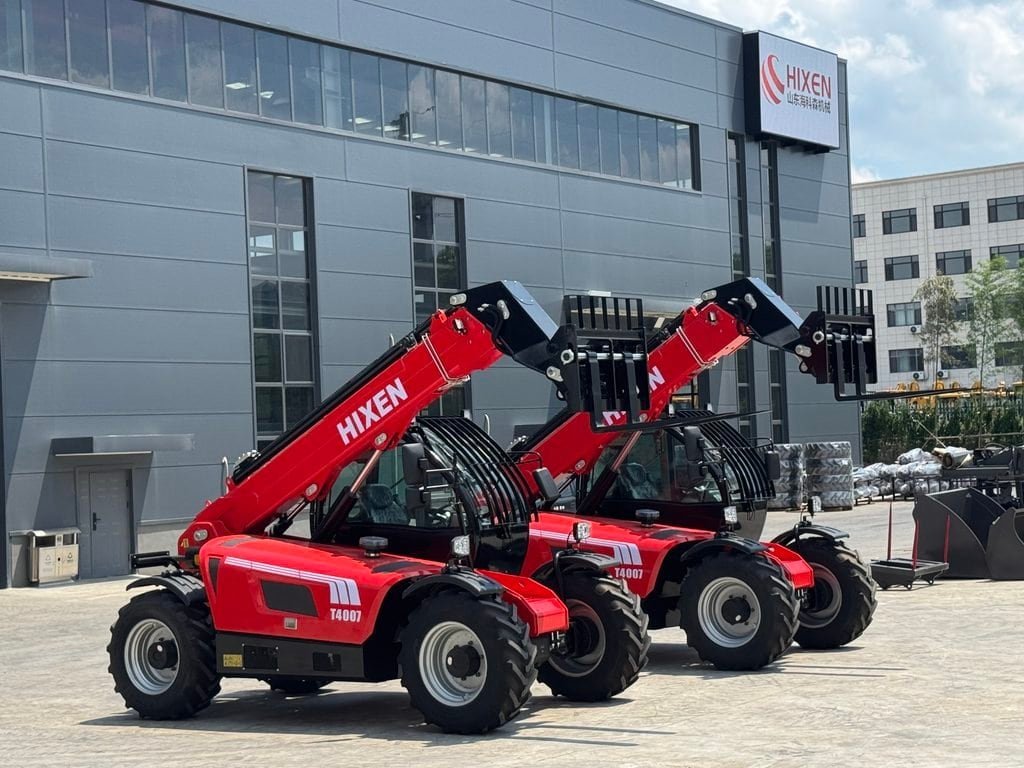
Dive Deeper: Deciphering Telehandler Model Logic – The HIXEN Way
In the world of heavy machinery, “those in the know” often recognize key information directly from a product’s model number. Professional manufacturers design their naming conventions to convey essential performance parameters succinctly. This efficiency in communication is invaluable, saving time and simplifying initial evaluations. I have observed this principle across many industries, and it is particularly helpful when evaluating a telehandler.
Take the HIXEN telehandler series as a perfect example. Their model names, such as HX2506, HX4014, and HX7018, are designed to give you the key specs instantly. This systematic approach ensures that you can quickly ascertain whether a particular HIXEN telehandler suits your preliminary requirements without diving deep into a full spec sheet.
Decoding the HIXEN Telehandler Model Numbers:
The HIXEN nomenclature is straightforward and provides immediate insight into a telehandler’s core capabilities:
- “HX”: This prefix consistently denotes the HIXEN brand series, signifying quality and reliability across the entire range of their telehandlers.
- First Two/Three Digits (e.g., 25, 40, 70): These numbers typically represent the maximum lift height of the telehandler in feet.
- For instance, an HX25xx telehandler indicates a maximum lift height of approximately 25 feet.
- An HX40xx telehandler offers around 40 feet of vertical reach.
- An HX70xx telehandler, one of our higher-end models, provides an impressive 70 feet of lift.
This directly addresses your earlier identified “height” requirement, allowing for quick cross-referencing.
- Last Two Digits (e.g., 06, 14, 18): These figures typically signify the maximum rated load capacity of the telehandler in thousands of pounds (kips).
- An HXxx06 telehandler has a maximum lifting capacity of approximately 6,000 pounds (or 3 tons).
- An HXxx14 telehandler can handle up to 14,000 pounds (or 7 tons).
- An HXxx18 telehandler boasts a robust 18,000 pounds (or 9 tons) capacity.
This aspect directly addresses your “lifting capacity” needs, ensuring that the telehandler can handle your typical heaviest loads.
The Value of This Naming Convention:
This transparent naming system is more than just a convention; it’s a commitment to clarity. It allows you to:
- Quickly Filter Options: You can quickly scan our telehandler lineup and identify models that fall within your required height and capacity ranges. This drastically narrows down your search.
- Reduce Complexity: You don’t need to pore over complex brochures for initial screening. The most critical numbers are right there in the model name.
- Ensure Suitability: This approach helps ensure that the telehandler you are considering inherently possesses the fundamental power and reach required for your tasks, making it easier to determine if it suits your specific jobsite demands.
By understanding how these model numbers translate to real-world performance, you gain a powerful tool in your telehandler selection process, enabling you to make more informed and efficient decisions.
3,Does a Compact Telehandler Suit My Warehouse Operations?
Many warehouse managers face the challenge of efficiently moving materials in confined spaces while also needing to reach high shelves or load trucks. Standard forklifts might lack the necessary reach, and larger telehandlers are often too cumbersome for indoor environments. This dilemma often leaves them wondering if there’s a specialized solution.
Yes, a compact telescopic handler often suits warehouse operations exceptionally well, especially when you need to combine the lifting height and forward reach of a traditional telehandler with the maneuverability required in confined indoor or tightly packed outdoor storage areas. These models excel at tasks like stacking, loading, and material placement where space is at a premium.
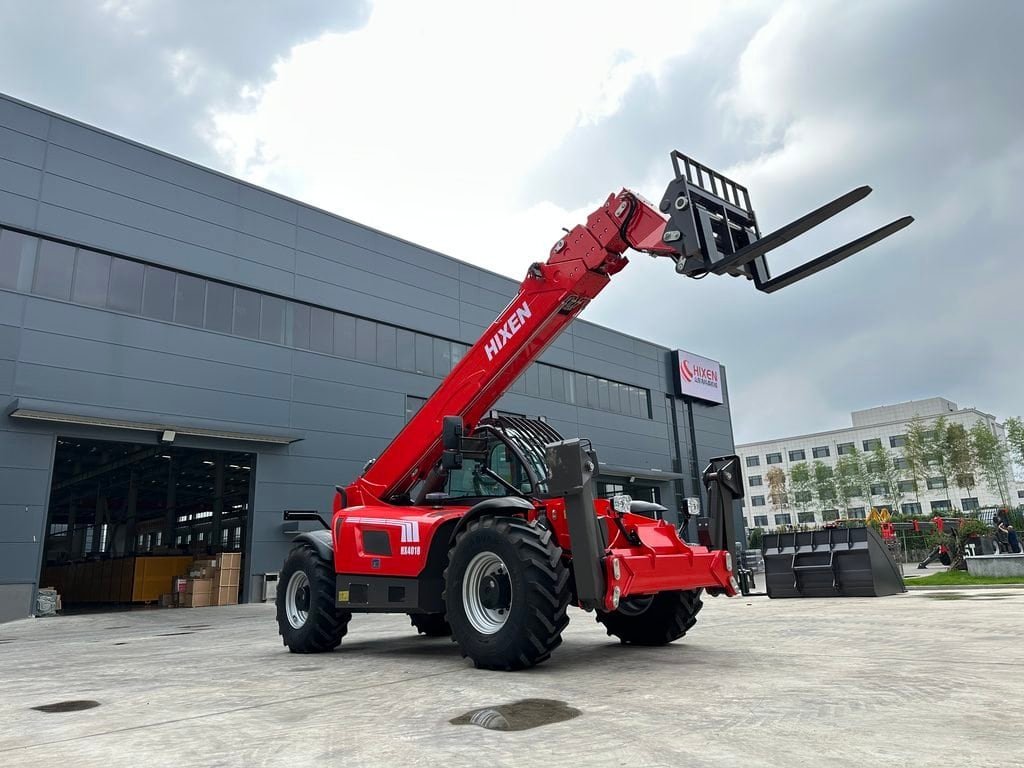
Dive Deeper: Versatility in Confined Spaces
For applications requiring nimble movement and precise placement in tight areas, a compact telescopic handler is often the answer. I have seen how these machines transform warehouse efficiency, agricultural tasks, and the logistics on smaller construction sites. Their design prioritizes a smaller footprint and a tighter turning radius without significantly sacrificing essential lifting capabilities.
Warehousing, Agriculture & Light Construction: The Perfect Match
- Warehousing: In modern warehouses, space is a valuable commodity. Aisles are often designed for conventional forklifts, which lack the versatile boom of a telehandler. A compact telescopic handler can navigate these aisles, but more importantly, it can reach over obstacles, place loads onto high racks, or load/unload trucks from a single side more effectively than a standard forklift. This versatility is where a compact telehandler truly suits the dynamic needs of a busy warehouse. They are ideal for stacking bulk materials, handling oversized goods, or assisting with inventory management at height.
- Agriculture: Farmers often need a multi-purpose machine that can handle various tasks across diverse terrains. A compact telehandler is perfect for moving hay bales, feed sacks, loading spreaders, or general farm maintenance. Its ability to work in barns, feedlots, and fields makes it an indispensable tool. The maneuverability is crucial in and around farm buildings, and the telehandler’s ability to operate on uneven ground is a significant advantage.
- Light Construction: For residential builds, landscaping projects, or minor renovations, a compact telehandler can be a game-changer. It can lift trusses, move lumber, place concrete forms, or distribute landscaping materials efficiently. The smaller size allows it to operate on smaller job sites with less disruption, and it can often be transported more easily between sites.
Recommended HIXEN Models for Compact Needs:
For these types of demanding yet space-conscious applications, the HIXEN HX2506 and HX3007 telehandlers are often the ideal choices.
| HIXEN Model | Max Lift Height (approx.) | Max Load Capacity (approx.) | Key Features for Compact Use | Ideal Application Areas |
|---|---|---|---|---|
| HX2506 | 25 feet | 6,000 lbs (3 tons) | Very compact chassis, excellent maneuverability, precise controls | Small warehouses, nurseries, residential landscaping |
| HX3007 | 30 feet | 7,000 lbs (3.5 tons) | Enhanced reach for multi-story, still highly agile | Medium warehouses, agricultural, light construction |
These models combine a compact machine body with sufficient lift and reach, making them versatile and highly efficient. Their smaller turning radii and intuitive controls ensure operators can navigate tight spaces with confidence. When evaluating whether a compact telescopic handler suits your operations, consider the blend of its small footprint, robust lifting power, and precise handling. It’s an investment in agility and efficiency for environments where every inch counts.
4,What Telehandler Suits Commercial Construction Projects Best?
Commercial construction sites present a unique set of challenges: heavy materials, mid-rise structures, and a constant need for efficient material flow. Project managers often struggle to find a telehandler that can balance significant lifting capacity with ample vertical and forward reach without being overly large or underpowered for the day-to-day demands.
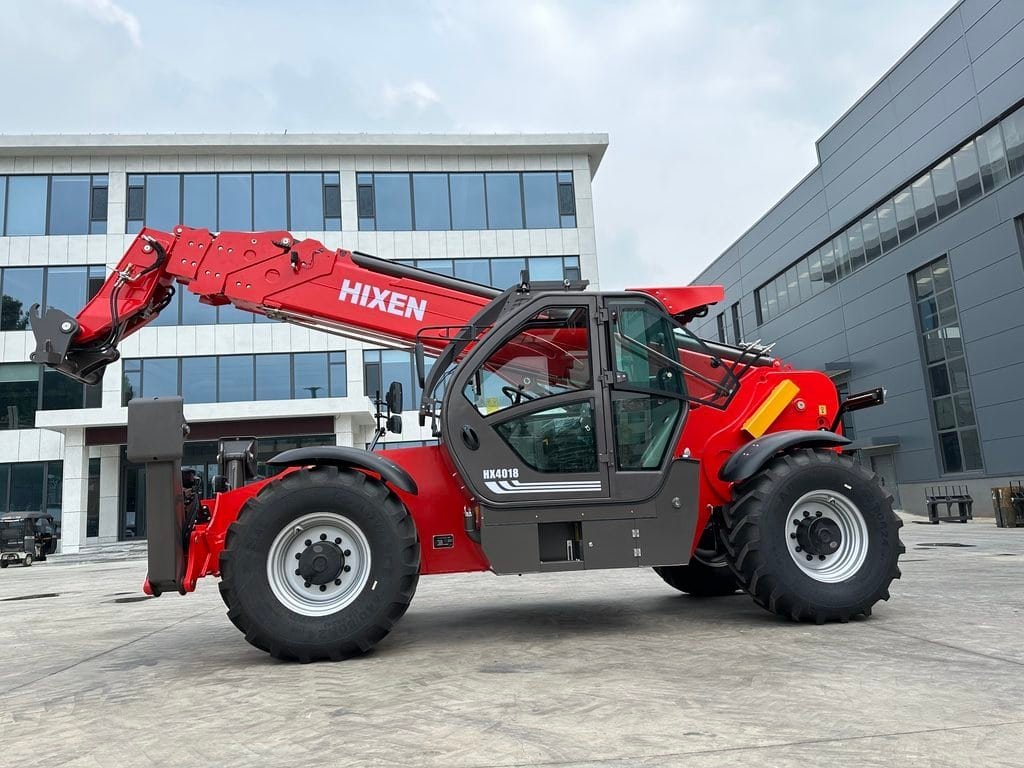
The telescopic handler that suits commercial construction projects best is typically a mid-range model offering a balanced blend of 3 to 4 tons of lifting capacity and 7 to 10 meters (23 to 33 feet) of lift height. These machines are the workhorses of most commercial sites, capable of handling common heavy construction materials like steel, concrete forms, and large lumber packs to mid-level structures.
Dive Deeper: The Mid-Range Workhorses
For the vast majority of commercial construction and municipal engineering projects, you need a telescopic handler that is a true all-rounder. These sites demand a machine capable of lifting substantial weights to moderate heights, often across obstacles, and consistently throughout a workday. This is where the mid-range telehandler shines. It’s not about having the biggest or smallest, but the one that perfectly balances capability with practicality for diverse tasks.
Mainstream Commercial Construction & Municipal Projects: Balancing Act
- Material Handling: Commercial sites constantly move materials. This includes everything from pallets of insulation and drywall to structural steel beams, concrete precast elements, and large bundles of lumber. A telehandler in this range can efficiently load and unload trucks, distribute materials around the site, and feed workers on multiple levels of a building.
- Mid-Rise Structures: Many commercial buildings are between two and five stories tall. A mid-range telescopic handler with 7 to 10 meters of lift height can comfortably reach these levels, placing materials precisely where needed. This significantly reduces manual handling and speeds up construction progress. The ability to extend forward also allows operators to place materials through window openings or over temporary structures.
- Versatilidad: These telescopic handler can be equipped with various attachments, such as buckets for site cleanup, jibs for lifting suspended loads, or work platforms for elevated access, further enhancing their utility. This multi-functionality means one telehandler can perform the duties of several different machines, optimizing equipment utilization.
Recommended HIXEN Models for Commercial Construction:
For these critical roles on mainstream commercial and municipal projects, HIXEN offers a robust lineup that provides the perfect balance. The HX3507, HX3510, and HX4010 telehandlers are prime examples of machines that will confidently suit your commercial construction needs.
| HIXEN Model | Max Lift Height (approx.) | Max Load Capacity (approx.) | Key Features for Commercial Use | Ideal Application Areas |
|---|---|---|---|---|
| HX3507 | 35 feet (10.5m) | 7,000 lbs (3.5 tons) | Excellent all-rounder, agile for its capacity, robust build | General commercial, medium-sized residential, municipal projects |
| HX3510 | 35 feet (10.5m) | 10,000 lbs (5 tons) | Higher capacity for heavier structural components | Larger commercial buildings, industrial installations |
| HX4010 | 40 feet (12m) | 10,000 lbs (5 tons) | Extended reach for higher floors, significant lifting power | Multi-story commercial, heavier material handling |
These models represent the backbone of many construction fleets because they strike an excellent balance between lifting capability, reach, and maneuverability. They are designed for continuous, demanding work, ensuring that your commercial construction project has a reliable telehandler that suits its varied and often challenging requirements.
5,Can a High-Capacity Telehandler Suit Large Infrastructure Demands?
When facing the immense scale of high-rise construction or sprawling infrastructure projects, the standard lifting capabilities of most telescopic handler simply won’t cut it. Project managers often grapple with how to elevate massive loads to extreme heights or across significant horizontal distances, leading to concerns about safety, efficiency, and the sheer feasibility of material placement.
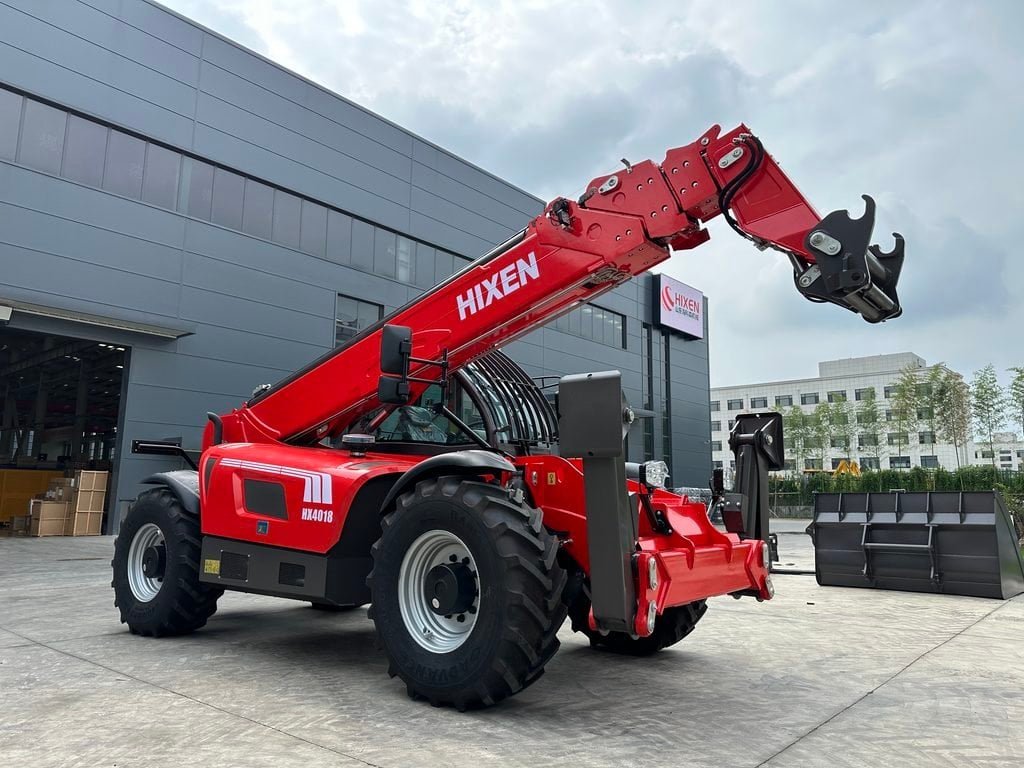
Absolutely, a high-capacity telescopic handler is specifically engineered to suit large infrastructure demands by offering superior lift heights (often 12 meters/40 feet and above) and heavy load capacities (typically 7 tons/14,000 lbs and more). These powerful machines are essential for projects involving towering structures, large-scale bridges, or extensive industrial facilities, providing the necessary muscle and reach for the most challenging material handling tasks.
Dive Deeper: Powering the Giants of Construction
Large-scale projects, whether they involve towering skyscrapers, expansive bridge construction, or complex industrial plants, require equipment that can match their ambition. This is where high-capacity telescopic handler come into their own. These machines are not just bigger; they are engineered for maximum strength, stability, and control, providing the necessary lifting prowess for monumental tasks.
High-Rise & Large Infrastructure: The Ultimate Challenge
- Extreme Lift Heights: High-rise construction inherently means lifting materials to significant elevations. A telescopic handler capable of reaching 40, 50, 60, or even 70 feet vertically can deliver materials directly to upper floors, often quicker and more flexibly than a traditional crane for certain tasks. This minimizes reliance on multiple pieces of equipment and streamlines the logistics of vertical construction.
- Heavy Lifting Capacity: These projects often involve precast concrete sections, large steel girders, massive glass panels, or heavy mechanical components. A high-capacity telehandler is designed to safely handle these substantial weights, ensuring that critical structural elements can be placed with precision. The robust design and advanced stability systems of these telehandlers are paramount when dealing with such loads.
- Extended Forward Reach: On large infrastructure sites, obstructions are common. A telehandler with exceptional forward reach can extend over trenches, across foundations, or navigate around existing structures to place materials accurately. This capability is vital for maintaining productivity on complex and sprawling sites.
Recommended HIXEN Models for High-Capacity Needs:
For projects that demand the utmost in lifting power and extended reach, the HIXEN HX4014, HX5014, HX5018, and particularly the HX6018 or HX7018 telehandlers are specifically designed to meet these formidable challenges. These machines represent the pinnacle of telehandler engineering and will certainly suit the most rigorous demands of your large infrastructure projects.
| HIXEN Model | Max Lift Height (approx.) | Max Load Capacity (approx.) | Key Features for Heavy-Duty Use | Ideal Application Areas |
|---|---|---|---|---|
| HX4014 | 40 feet (12m) | 14,000 lbs (7 tons) | Excellent balance of high lift and heavy capacity | Large commercial, mid-rise, heavy industrial projects |
| HX5014 | 50 feet (15m) | 14,000 lbs (7 tons) | Extended vertical reach for multi-story buildings | High-rise construction, large bridge works |
| HX5018 | 50 feet (15m) | 18,000 lbs (9 tons) | Max capacity for extreme heavy lifting at height | Heavy precast, large steel erection, specialized industrial |
| HX6018 | 60 feet (18m) | 18,000 lbs (9 tons) | Exceptional reach and capacity for very tall structures | Iconic high-rise, complex infrastructure |
| HX7018 | 70 feet (21m) | 18,000 lbs (9 tons) | Ultimate vertical reach, designed for the tallest structures | Super-high-rise, wind turbine maintenance |
These high-capacity telescopic handler are not just about raw power; they integrate advanced control systems, superior stability features, and robust components to ensure safety and precision even under the most demanding conditions. When your project’s success hinges on moving the heaviest materials to the highest points, you need a telehandler that is explicitly built to suit those extraordinary requirements.
6,Why Is Telehandler Safety More Than Just Specifications?
Focusing solely on a telehandler’s lift height or load capacity often causes buyers to overlook critical safety and efficiency features that significantly impact daily operations and overall project risk. Neglecting these aspects can lead to increased accident potential, operator fatigue, and reduced productivity, regardless of how powerful the telehandler might be.
Telescopic handler safety transcends mere specifications because it encompasses integrated design elements like advanced stability systems, operator visibility, ergonomic controls, and proactive overload protection, all of which are crucial for preventing accidents and ensuring consistent, efficient operation. These features collectively contribute to a safer working environment and ultimately, a more productive jobsite, proving that a truly suitable telescopic handler prioritizes operator well-being and operational integrity.
Dive Deeper: Beyond the Spec Sheet – Prioritizing Operator and Site Safety
While raw power and reach are crucial, a telehandler is only as good as its safety features and how efficiently it allows an operator to work. Modern telehandlers incorporate numerous design elements aimed at preventing accidents, enhancing stability, and ensuring operator comfort, which directly translates to improved productivity. When evaluating which telescopic handler suits your needs, these “soft” specifications are just as vital as the hard numbers.
Essential Safety and Efficiency Features:
- Integrated Stability Systems:
- Levelling Device: A critical feature, particularly on uneven terrain, is a chassis leveling system. For instance, the entire HIXEN telehandler range, from the compact HX25 to the mighty HX70, is engineered with a leveling device as standard. This allows the operator to mechanically level the chassis on slopes, ensuring the boom is always operating from a stable, vertical base. This directly contributes to jobsite safety and operator confidence, drastically reducing the risk of tipping.
- Outriggers/Stabilizers: For maximum reach and capacity, especially with heavier loads, many telehandlers feature deployable outriggers. These extend from the chassis to create a broader, more stable footprint, significantly increasing the machine’s safe operating envelope.
- Overload Protection Systems: These systems are designed to monitor the load and the boom’s position, automatically cutting off hydraulic power if the operator attempts to lift a load beyond the machine’s safe working limit at that specific height and reach. This is a non-negotiable safety feature on any modern telescopic handler.
- Operator Visibility and Ergonomics:
- Diseño de cabina: A well-designed cab offers panoramic views, minimizing blind spots. Features like large windows, roof-mounted glass (often armored), and strategically placed mirrors (or even cameras) are essential.
- Ergonomic Controls: Proportional joystick controls, intuitive dashboards, and adjustable seating reduce operator fatigue, leading to safer and more precise operation over long shifts.
- HVAC: A comfortable operator is a focused operator. Climate control in the cab makes a significant difference in operator well-being and attention span, especially during extreme weather conditions.
- Attachment Versatility: The true versatility of a telescopic handler often lies in its ability to adapt to different tasks through various attachments.
- Forks: Standard for palletized loads.
- Buckets: For handling loose materials like sand, gravel, or debris.
- Jibs/Crane Hooks: For lifting suspended loads with greater precision, effectively turning the telescopic handler into a mini crane.
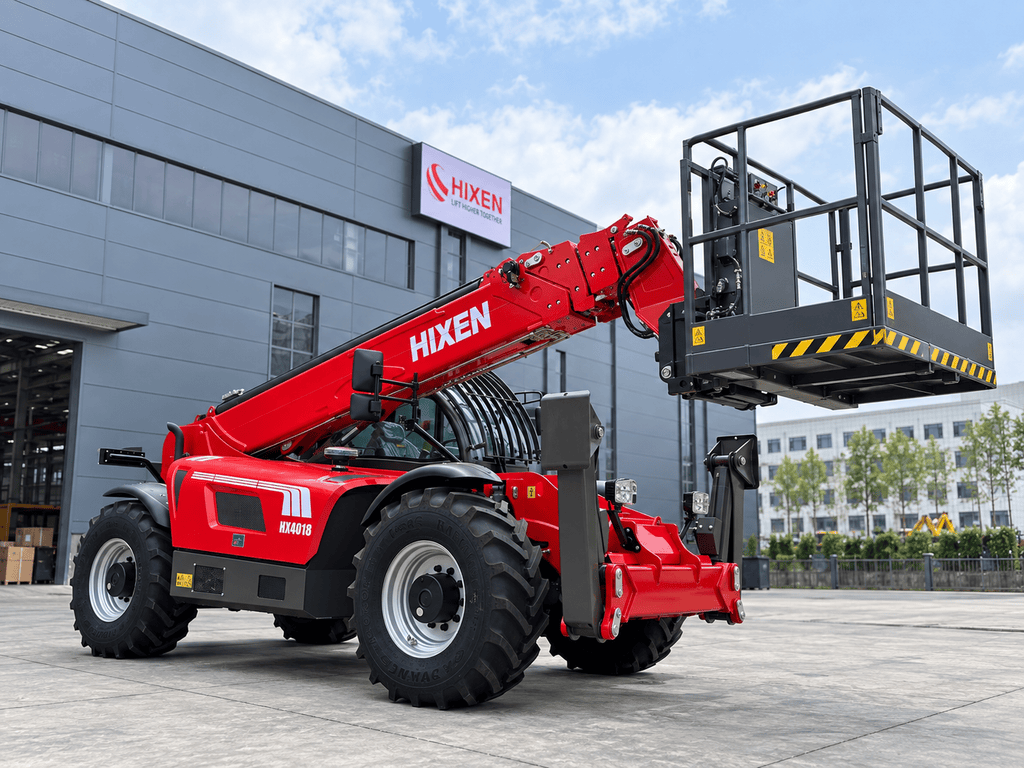
- Work Platforms (Personnel Baskets): Essential for safely elevating personnel for maintenance, inspection, or installation tasks.
- Sweepers/Snow Ploughs: Extending functionality beyond typical construction tasks.
When selecting a telescopic handler, consider how these features align with your operational environment and safety protocols. A telescopic handler that suits your project is one that not only meets the lifting requirements but also protects your crew and enhances overall efficiency through thoughtful design. Always verify these features and ensure they are compliant with local safety regulations.
7,How Can I Ensure the Telehandler I Choose Suits My Future Needs?
Investing in a telescopic handler is a significant decision, and many buyers are concerned about choosing a machine that quickly becomes obsolete as project requirements evolve or new applications arise. This fear of future incompatibility can lead to overspending on features that aren’t immediately needed or, conversely, selecting a machine that lacks the adaptability for future tasks.
To ensure the telescopic handler you choose suits your future needs, prioritize machines designed for broad attachment compatibility, robust build quality for longevity, and accessible parts and service support. Opting for a reputable brand with a wide accessory ecosystem allows your telehandler to evolve with your projects, effectively future-proofing your investment against changing operational demands.
Dive Deeper: Future-Proofing Your Telehandler Investment
A telescopic handler isn’t just a purchase; it’s a long-term investment. To maximize its value, you must consider its longevity and adaptability. This means looking beyond the immediate task and thinking about how the machine can grow with your business and tackle unforeseen challenges. This foresight is crucial for ensuring the telehandler you select continues to suit your operations for years to come.
Key Considerations for Long-Term Suitability:
- Attachment Compatibility and Versatility:
- Universal Couplers: Look for telehandlers that feature standard or widely compatible hydraulic quick-coupler systems. This allows you to easily switch between a variety of attachments from different manufacturers, not just the OEM.
- Hydraulic Auxiliary Lines: Ensure the telehandler has sufficient hydraulic flow and pressure, along with multiple auxiliary lines, to power sophisticated attachments like rotating grapples, concrete mixers, or specialized work platforms. A machine with limited hydraulic capabilities restricts its future versatility.
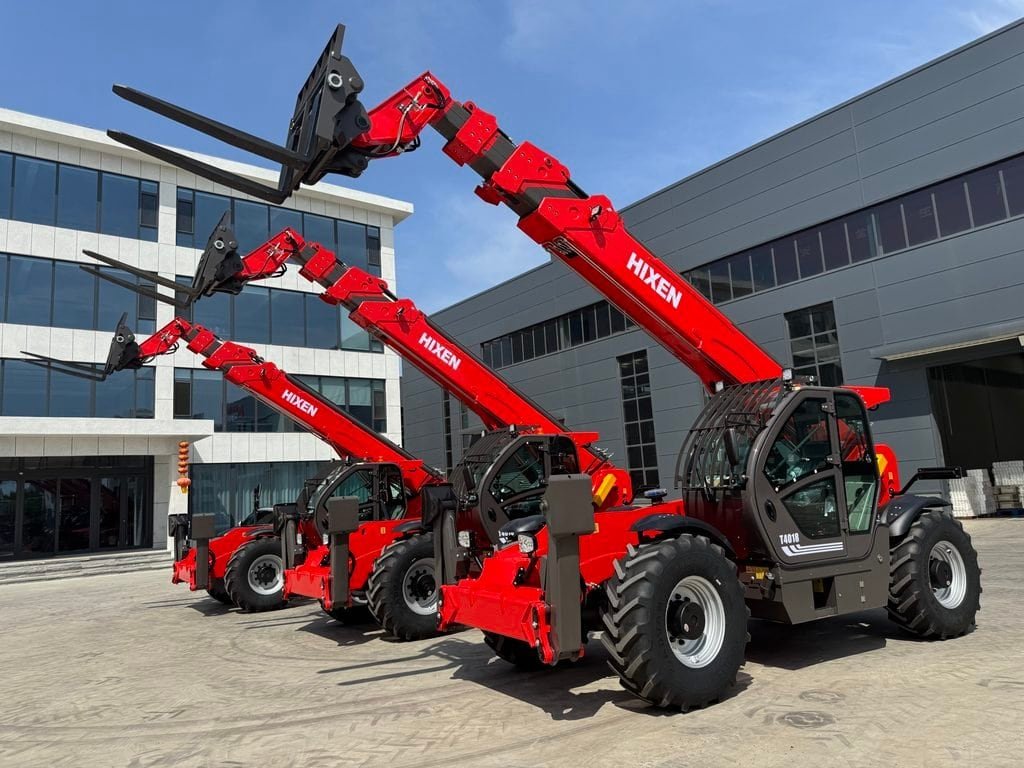
- Investment in Attachments: Consider building a diverse fleet of attachments. A single telescopic handler can perform a multitude of tasks – from precision lifting with a jib, to earthmoving with a bucket, or even personnel elevation with a work platform – simply by swapping out the front-end tool. This significantly boosts the machine’s return on investment.
- Durability and Build Quality:
- Robust Chassis and Boom: Evaluate the construction quality of the main components. Heavy-duty steel, well-welded joints, and protected hydraulic lines indicate a telehandler built for the long haul.
- Engine and Drivetrain: Choose a telescopic handler with a proven, reliable engine and transmission from a reputable manufacturer. These components are the heart of the machine and dictate its uptime and service life.
- Component Accessibility: A telescopic handler that is easy to service, with accessible filters, fluid checks, and diagnostic ports, will have lower maintenance costs and less downtime over its lifespan.
- After-Sales Support and Parts Availability:
- Dealer Network: Investigate the strength of the dealer network for the brand you’re considering. Prompt access to spare parts and qualified service technicians is paramount to minimizing downtime.
- Parts Commonality: Some manufacturers design their equipment with common parts across different models, which can simplify inventory management and improve parts availability.
- Warranty and Support Programs: Understand the warranty terms and any available extended service programs. A strong support package indicates the manufacturer’s confidence in their product.
By carefully evaluating these long-term factors, you ensure that the telescopic handler you choose today will not only meet your current needs but will also remain a valuable and adaptable asset to your business as it grows. This strategic approach to equipment procurement guarantees that the telehandler continues to suit your evolving operational landscape.
8,What is the Ultimate Framework to Determine Which Telehandler Suits My Jobsite?
With so many variables and options for telescopic handler, it can be challenging to synthesize all the information into a confident, final purchasing decision. The sheer volume of specifications, coupled with the need to consider future adaptability and safety, often leaves buyers feeling overwhelmed and unsure if they’re truly making the optimal choice for their specific jobsite.
The ultimate framework to determine which telehandler suits your jobsite involves a structured three-step process: first, precisely define your core operational needs (height, load, environment); second, learn to decode the key specifications and model numbers (like HIXEN’s intuitive system); and third, match these requirements to specific telescopic handler models based on their design for compact, mid-range, or high-capacity applications. This systematic approach ensures a data-driven decision aligned with safety, efficiency, and future adaptability.
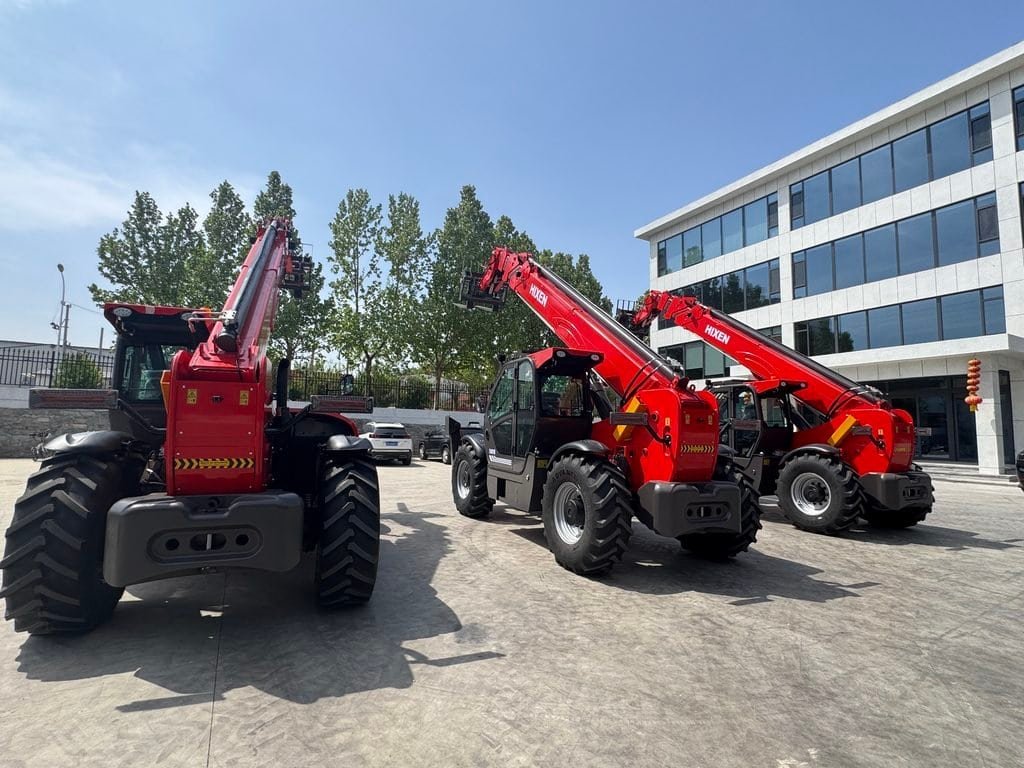
Dive Deeper: A Systematic Path to the Perfect Telehandler
Making an informed decision about a telescopic handler requires more than just picking a model that “looks right.” It demands a structured, step-by-step framework that methodically addresses all critical aspects of your operation. This is the process I guide our clients through, ensuring they select a telehandler that is not just a machine, but a strategic asset.
Step 1: Pinpoint Your Core Operational Needs
This is the non-negotiable starting point. Before you even look at models, meticulously detail what the telescopic handler needs to do.
- Height & Reach: What is the absolute maximum vertical height you need to reach consistently? How far forward do you need to place materials over obstacles or into structures? Be realistic about the typical tasks, not just the extreme outliers.
- Load Capacity: What are the average and maximum weights of the materials you will be lifting at those specified heights and reaches? Remember to account for the load chart, understanding that capacity decreases with increased boom extension.
- Jobsite Conditions: Characterize your typical terrain (paved, rough, muddy) and space constraints (open, confined, narrow aisles). This impacts tire choice, drive system, and machine dimensions.
Step 2: Understand the Language of Specifications and Models
Once you know what you need, learn how to read the data.
- Key Metrics: Focus on maximum lift height, maximum load capacity, and maximum forward reach. Understand how these interact.
- Model Number Deciphering: Familiarize yourself with how manufacturers, such as HIXEN, embed core specifications into their model numbers. This provides a quick “snapshot” of a telehandler’s fundamental capabilities. For example, a HIXEN HX4010 immediately tells you “40 feet lift, 10,000 lbs capacity.” This knowledge is a powerful shortcut in your initial evaluation.
- Safety & Efficiency Features: Beyond the numbers, consider the integrated safety systems (e.g., leveling devices, overload protection), operator comfort (ergonomics, visibility), and attachment compatibility. These aspects are critical for operational effectiveness and long-term value.
Step 3: Match Needs to Machine Categories
With your needs defined and specs understood, categorize the type of telescopic handler that best fits.
- Compact Telehandlers: Ideal for confined spaces, lighter loads, and lower heights (e.g., warehouses, small agricultural sites, residential construction). A compact telehandler suits nimble operations.
- Mid-Range Telehandlers: The workhorses for most commercial construction, offering a balanced combination of height and capacity for typical building materials and mid-rise structures. This is where a versatile telehandler suits the most common jobs.
- High-Capacity Telehandlers: For the most demanding tasks, such as high-rise construction, heavy infrastructure, or oversized loads, requiring maximum reach and lifting power. These specialized telehandlers suit the biggest challenges.
This structured approach ensures you conduct a thorough evaluation, leading to a decision that is not only robust but also perfectly tailored to your operational demands. By following this framework, you move from uncertainty to confident selection, securing a telehandler that truly suits your jobsite.
Frequently Asked Questions
What is the most important factor when choosing a telehandler?
The most important factor is aligning the telehandler’s lift height and load capacity with your specific jobsite tasks and the heaviest/highest materials you need to move. This ensures both efficiency and safety.
Can one telehandler suit multiple jobsite types?
Yes, many telescopic handler are versatile, especially mid-range and compact models, which can adapt to various tasks with different attachments. However, specific high-capacity or extremely compact telescopic handler are best suited for their niche.
How do telehandler tires impact performance?
Telescopic handler tires are crucial. Standard pneumatic tires suit paved surfaces, while rugged, foam-filled, or solid tires with aggressive treads are essential for rough, uneven, or muddy off-road conditions, directly impacting traction and stability.
What does the “load chart” tell me about a telehandler?
The load chart is a critical safety document that illustrates the telehandler’s safe lifting capacity at various boom extensions (height and reach). It shows that the maximum rated capacity decreases as the boom extends further or higher.
Should I buy a new or used telehandler?
The decision to buy a new or used telescopic handler depends on your budget, anticipated usage, and tolerance for potential maintenance. Used telescopic handler can be cost-effective but require thorough inspection and service history verification.
Conclusión
Finding the ideal telescopic handler for your operations doesn’t have to be a guessing game. By methodically defining your specific needs – focusing on critical aspects like lift height, load capacity, and jobsite conditions – you lay the groundwork for an informed decision. Learning to decode model numbers, like those in the HIXEN series, empowers you to quickly assess a telehandler’s core capabilities. Finally, matching these insights to the right category of machine, whether compact, mid-range, or high-capacity, ensures you select a telehandler that suits your project’s unique demands.
Remember, the goal isn’t just to acquire a machine; it’s to invest in a safe, efficient, and adaptable material handling solution that will serve your business for years to come. The right telehandler suits your needs not just today, but also as your projects evolve. Ready to find the perfect match for your jobsite? Explore our full HIXEN telehandler lineup and discover how our range can elevate your next project. Contact our team today for a personalized consultation!
