
Choosing the right compact equipment can feel overwhelming, especially when the debate is between a mini excavator vs skid steer. A wrong decision can lead to project delays and budget overruns, leaving you with a machine that isn’t optimized for your primary tasks. The solution lies in understanding that while both are versatile, they are engineered for fundamentally different jobs.
A mini excavator excels at digging, trenching, and precision excavation with its 360-degree rotating house and hydraulic arm. In contrast, a skid steer is a master of loading, lifting, and material handling on flat surfaces, leveraging its powerful pushing force and wide range of attachments.
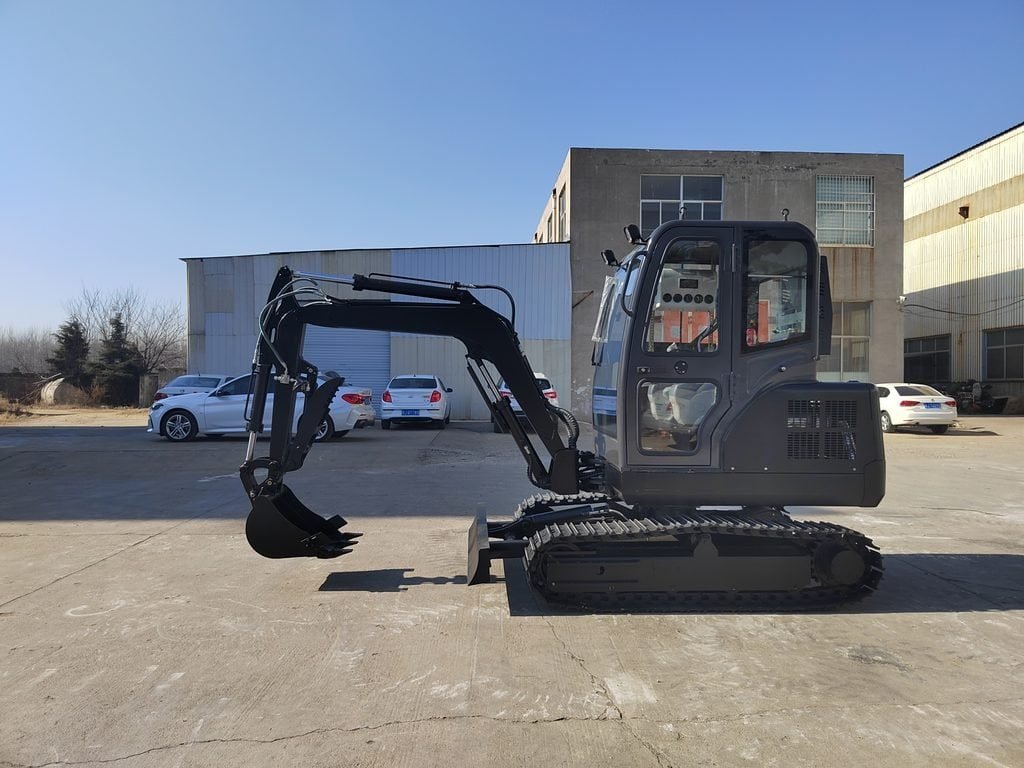
This fundamental difference is the key to making the right choice. Now, let’s dive deeper into the specifics of the mini excavator vs skid steer comparison to see which machine is the perfect fit for your fleet and your projects.
1,Mini Excavator vs Skid Steer: Why Is This Choice Difficult?
Struggling to decide between these two machines? You’re not alone. Many contractors and agricultural businesses find the choice between a mini excavator vs skid steer challenging. This is because, at first glance, they share several appealing characteristics like a compact size, easy transport, and the ability to use multiple attachments. But this surface-level similarity is misleading.
The core of the decision is not about which machine is “stronger” but which is smarter for your specific application. A mini excavator is a specialist in digging and precision work, while a skid steer is a workhorse for loading and surface-level tasks. Understanding this distinction is the first step toward a wise investment.
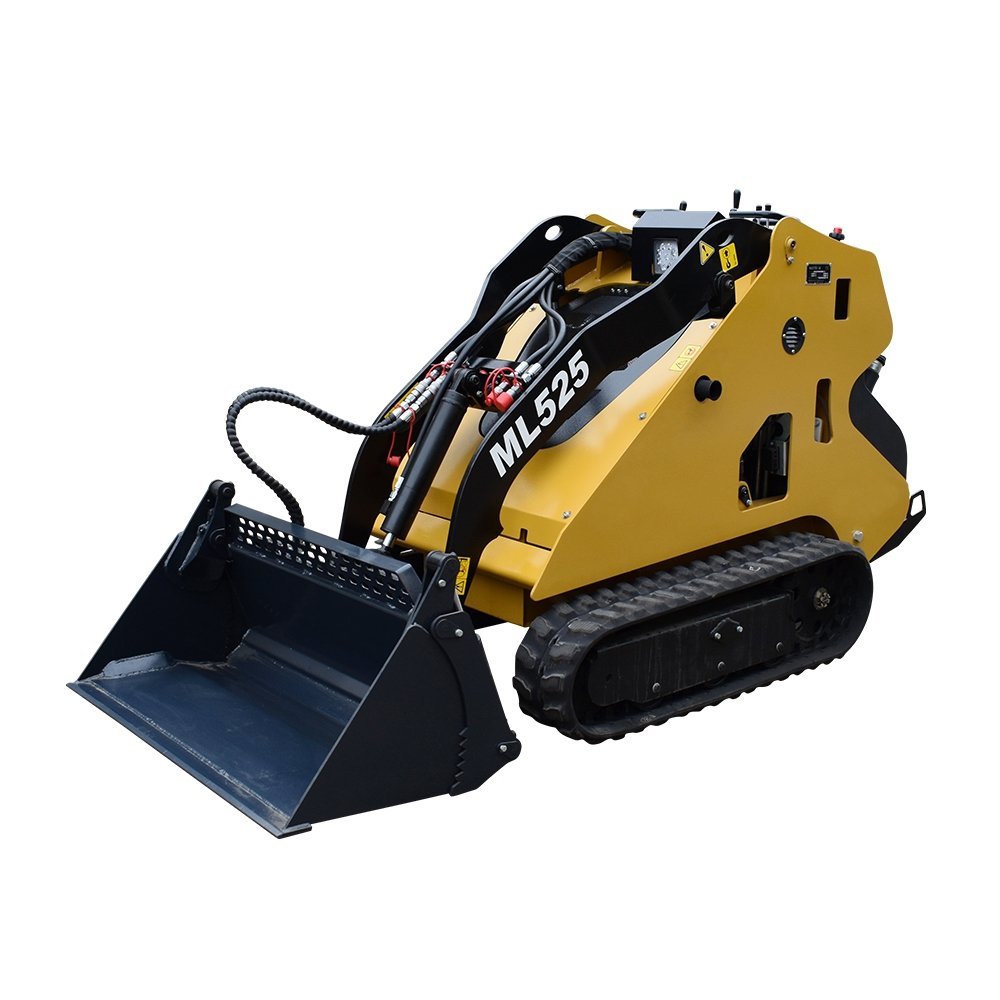
Diving Deeper into the Decision
As an engineering machinery manufacturer, we at HIXEN believe the key isn’t comparing raw power but matching the machine’s design to the customer’s most frequent jobs. The confusion often stems from their overlapping capabilities. Yes, you can put a digging attachment on a skid steer, and yes, a mini excavator can move some material. However, these are secondary functions.
The real questions you should ask are:
- What percentage of my work involves digging below grade?
- How much material do I need to move across a site, and how quickly?
- What are the typical ground conditions and space constraints of my jobs?
A mini excavator’s design, with its independent boom, arm, and bucket, provides unparalleled control for trenching, foundation work, and delicate tasks around utilities. A skid steer, with its rigid frame and lift arms, is built for pure pushing and lifting power, making it incredibly efficient for loading trucks, grading land, and clearing debris. The right choice becomes clear once you define your primary application, not the exceptions. This is the core of the mini excavator vs skid steer debate.
2,What Is a Mini Excavator?
Are you facing a project that requires serious digging in a space where a full-sized excavator just won’t fit? This is where the mini excavator shines. It’s a compact, tracked machine designed for powerful and precise excavation.
A mini excavator is defined by its compact design, hydraulic digging system (composed of a boom, arm, and bucket), and a conventional cab or canopy that can rotate a full 360 degrees. This rotation is a critical feature that allows it to dig, move spoil, and place materials without repositioning the entire machine, making it incredibly efficient in confined areas.
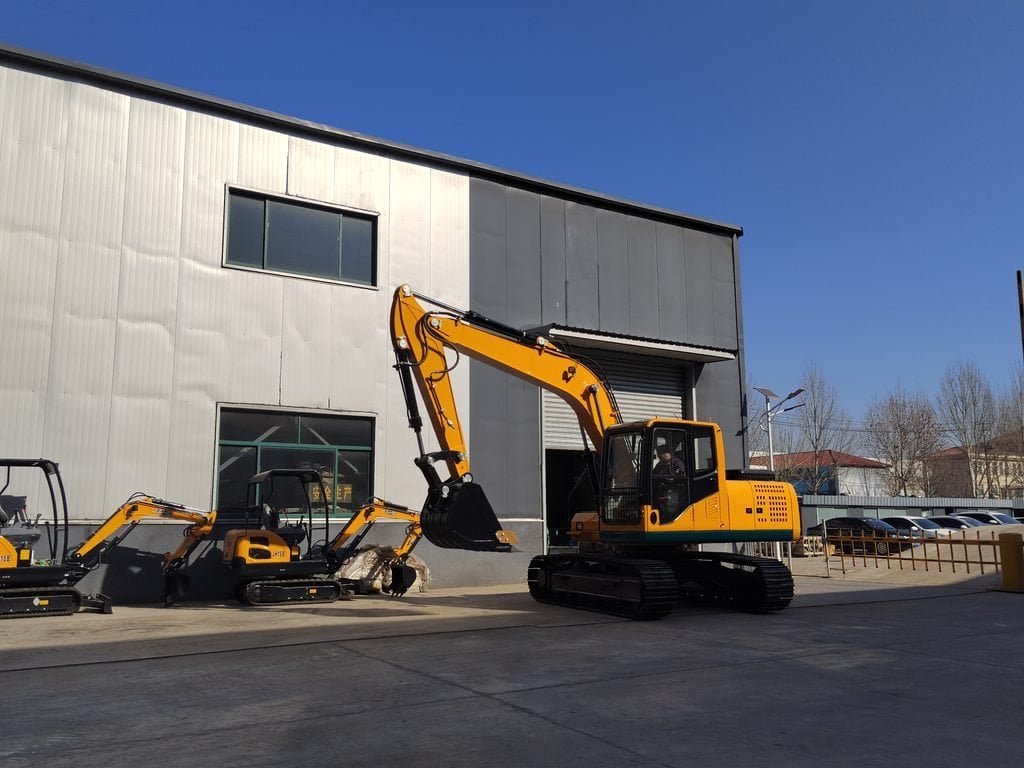
Diving Deeper into Mini Excavator Capabilities
The true strength of a mini excavator lies in its specialized design. Let’s break down its key advantages.
Digging Performance and Precision
This is the mini excavator’s primary purpose. It’s built for trenching, digging foundations, installing pipelines, and handling delicate landscaping jobs. The hydraulic arm provides exceptional control over digging depth and bucket angle. Unlike a skid steer, a mini excavator can easily dig several meters deep with vertical walls, making it ideal for utility and foundation work.
Working in Tight Spaces
With their compact footprint and often a zero-tail-swing or short-radius design, mini excavators can work right up against walls or in tight residential areas. Their tracked undercarriage provides excellent stability on uneven terrain and has a lower ground impact than the tires of a skid steer, which is crucial for working on finished landscapes. In my experience, clients working on urban renewal projects or backyard renovations almost always benefit from a mini excavator’s agility.
Precision Operation
When you need to dig around existing pipes, create complex shapes for a pond, or carefully remove a tree stump, the mini excavator is the superior tool. The operator has a clear view of the bucket and can make micro-adjustments with the joystick controls. This level of precision is simply not achievable with a skid steer’s digging attachment. HIXEN’s mini excavator series offers various sizes, allowing customers to choose the perfect balance of power and access for their specific, complex jobs.
3,What Is a Skid Steer?
Do you need to move large amounts of material like soil, gravel, or debris quickly and efficiently? A skid steer loader is a compact, rigid-frame, engine-powered machine with lift arms used to attach a wide variety of tools or attachments.
A skid steer’s most defining feature is its drivetrain. The wheels on each side are locked in synchronization with each other, and the turning is accomplished by “skidding”—speeding up the wheels on one side while slowing or reversing the wheels on the other. This gives it a zero-degree turning radius, making it extremely maneuverable.
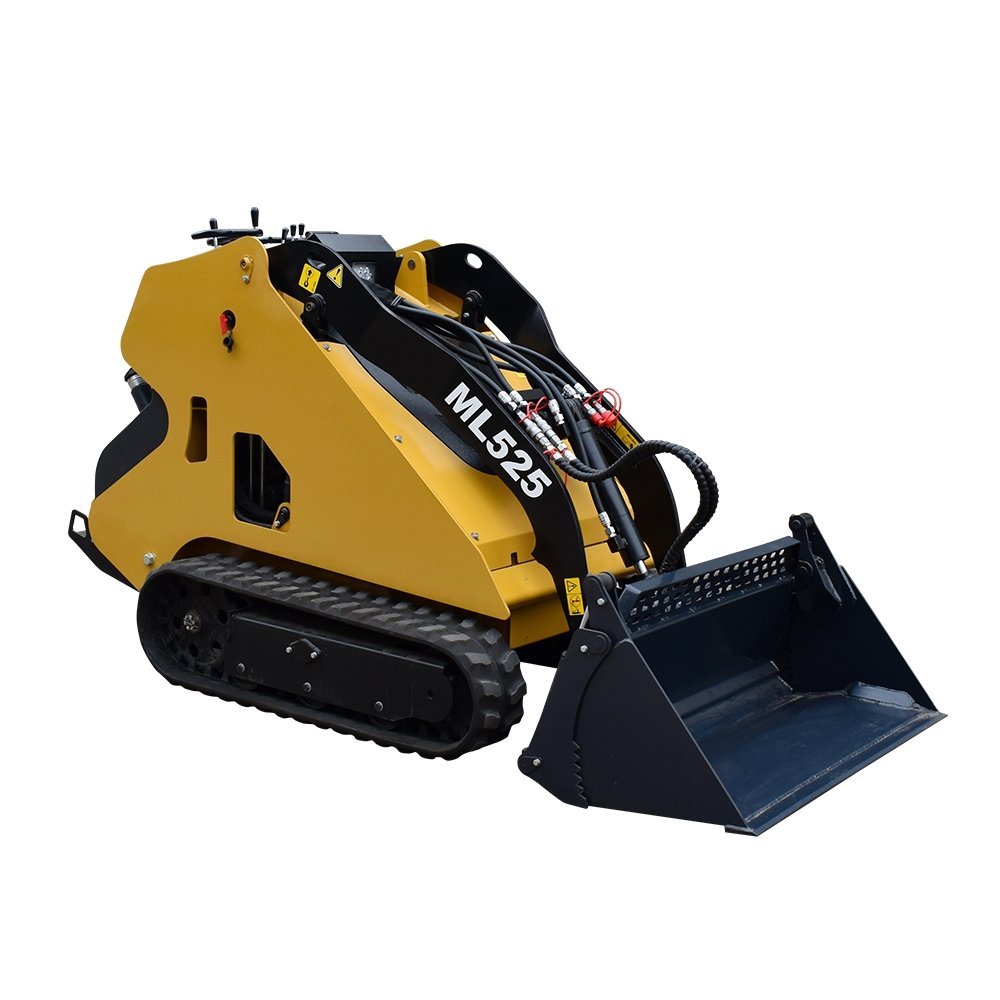
Diving Deeper into Skid Steer Strengths
While a mini excavator is a digging specialist, a skid steer is the ultimate multi-tool. Its value comes from its power, speed, and incredible versatility.
Material Handling and Loading
This is where the skid steer dominates the mini excavator vs skid steer comparison. Its design is optimized for pushing and lifting. With a standard bucket, it can quickly scrape surfaces, scoop up large piles of material, and load trucks in a fraction of the time it would take a mini excavator. Its travel speed across a job site is also significantly faster.
Attachment Versatility
A skid steer is like a Swiss Army knife for the job site. The universal quick-attach plate allows operators to swap between dozens of attachments in minutes. Common attachments include:
- Pallet forks for lifting materials
- Sweepers for cleaning sites
- Augers for drilling holes
- Trenchers for small utility lines
- Grapples for moving logs and brush
This versatility makes it a favorite for landscaping, snow removal, construction cleanup, and agricultural work where the tasks change throughout the day.
High Productivity on Grade
For tasks that happen on the ground surface—grading, spreading topsoil, clearing lots—a skid steer is built for speed and power. Its forward-facing operation and powerful drivetrain allow it to push into a pile of material with immense force, making it highly productive for earthmoving and site-clearing applications.
4,Mini Excavator vs Skid Steer: Key Differences
Understanding the core functional differences is crucial when evaluating a mini excavator vs skid steer. While both are compact and powerful, their designs dictate their strengths and weaknesses for any given task.
The primary difference is function: mini excavators are designed for below-grade digging with precision, while skid steers are built for on-grade material handling and attachment versatility. This single point influences every other aspect of their performance.
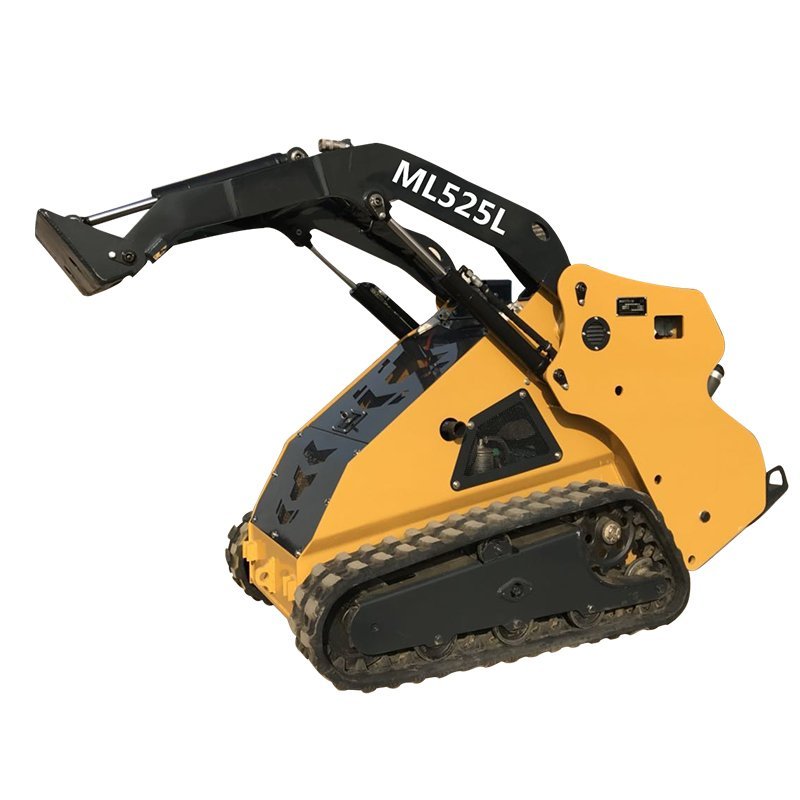
Diving Deeper with a Head-to-Head Comparison
To make the choice clearer, let’s break down the key differences in a simple table. This is often the first thing I review with a potential buyer to help them clarify their primary needs.
| Feature / Task | Mini excavador | Skid Steer Loader |
|---|---|---|
| Main Function | Digging & Excavation | Loading & Material Handling |
| Rotation | 360° Upper-structure Swing | Fixed Frame, Turns by Skidding |
| Profundidad de excavación | Excellent (deep) | Limited (shallow) |
| Trenching | Excellent | Moderate (with trencher attachment) |
| Loading | Moderate | Excellent |
| Attachment Versatility | Good | Excellent |
| Tight Space Access | Excellent (narrow width, zero tail swing) | Good (zero-turn radius) |
| Ground Impact | Lower (tracks distribute weight) | Higher (tires can tear up turf) |
| Precision Work | Excellent (fine hydraulic control) | Moderate |
This table highlights the trade-offs. A mini excavator’s 360-degree swing means it can dig in one spot and deposit the soil directly behind it without moving its tracks, saving time and preserving the ground surface. A skid steer must drive back and forth, which is faster for loading but less efficient for stationary digging and can damage sensitive surfaces like lawns or asphalt. The mini excavator’s arm provides reach over obstacles and below grade that a skid steer simply cannot match. Conversely, the skid steer’s forward power and speed make it the undisputed champion for moving materials around a site.
5,Digging Performance: Mini Excavator vs Skid Steer
When your project’s success hinges on digging, is there really a contest? If the core of your work involves creating trenches, excavating for foundations, or installing drainage systems, the choice becomes very clear.
In a direct comparison of digging performance, the mini excavator is overwhelmingly superior. Its entire design—from the tracks to the hydraulic arm—is optimized for one primary purpose: efficient and precise excavation.
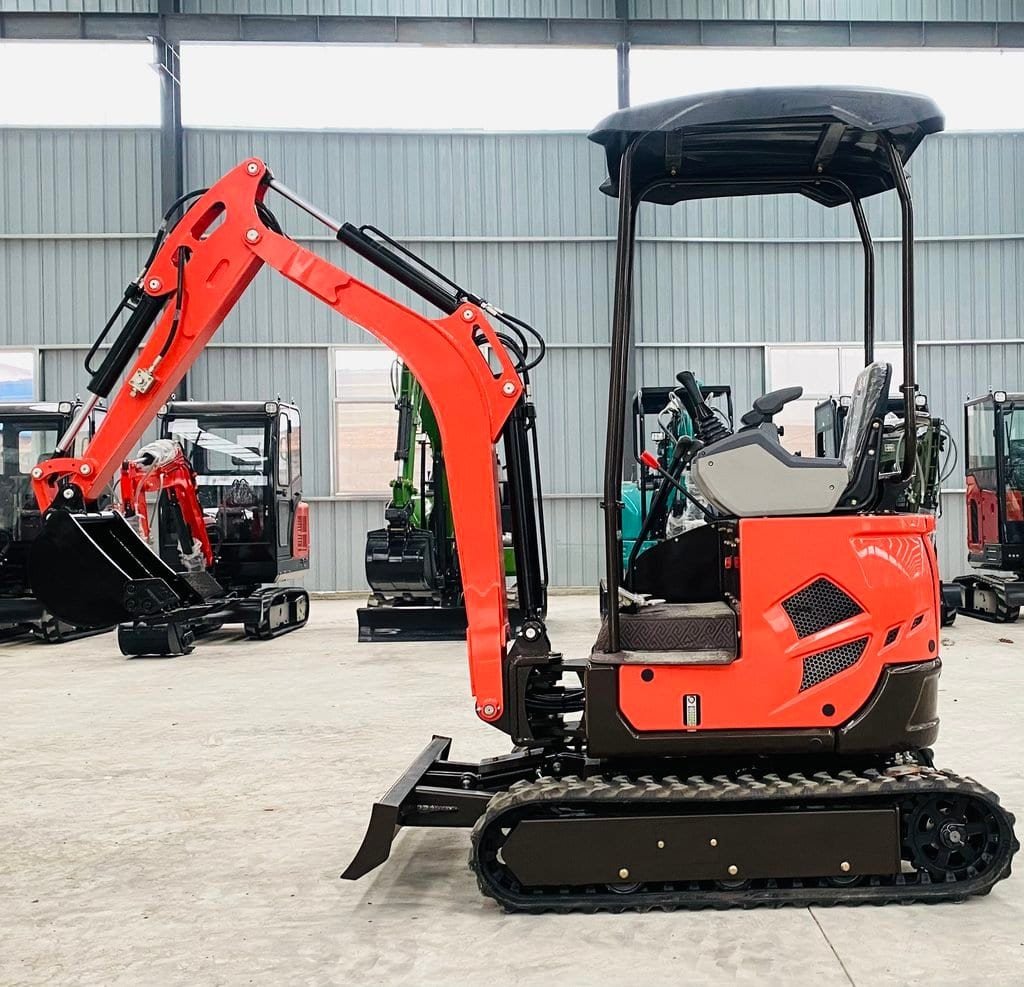
Diving Deeper into Why the Mini Excavator Wins at Digging
While a skid steer can dig with an attachment like a backhoe arm, it’s a compromise. The experience is fundamentally different and less efficient for any serious excavation task.
A mini excavator’s hydraulic system allows it to:
- Dig Deeper: A standard 3.5-ton mini excavator can easily dig over 10 feet (3 meters) deep. A skid steer with a backhoe attachment typically has a much shallower reach.
- Reach Farther: The boom and arm configuration provides significant reach, allowing the operator to dig a long trench or reach over obstacles without constantly repositioning the machine.
- Control the Bucket Precisely: The independent control of the boom, arm, and bucket allows for fine adjustments, making it possible to dig clean, vertical walls and flat bottoms—essential for footings and pipe laying.
- Work from a Stable Platform: The tracks provide a wide, stable base, and the ability to rotate the house means the machine can stay stationary while working in a wide arc. A skid steer must constantly move and reposition, which is less stable and less precise.
A skid steer with a backhoe attachment is suitable for occasional, shallow digging, like for a small signpost. But for any task that requires sustained trenching or significant soil removal, it’s inefficient. The operator often has to leave the main cab to use the attachment, visibility is poor, and the digging motion is slower and less powerful. If digging is more than 25% of your work, the mini excavator is the clear winner in the mini excavator vs skid steer matchup.
6,Loading and Material Handling: Which One Performs Better?
Your crew is waiting, and you have a dozen truckloads of gravel to move. In this scenario, speed and power are everything. Which machine gets the job done faster?
When it comes to loading trucks, moving pallets, and clearing sites, the skid steer is the undisputed champion. Its design is purpose-built for fast cycle times and powerful pushing force, making it the superior choice for material handling.
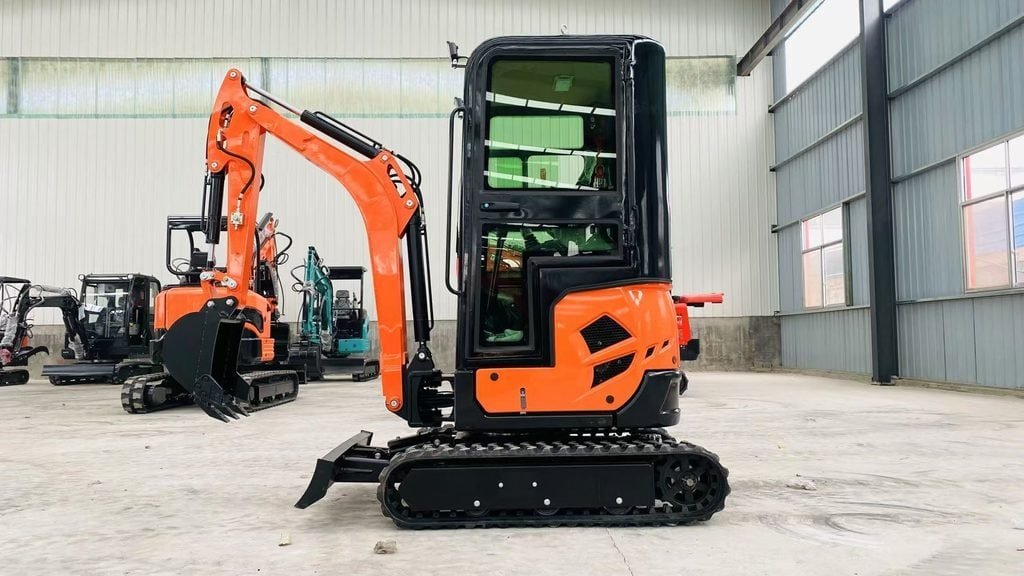
Diving Deeper into Loading Efficiency
While a mini excavator can use its bucket to load a small trailer or move soil, it’s a much slower and less efficient process compared to a skid steer. Let’s explore why.
The skid steer’s advantages in material handling include:
- Faster Cycle Times: A skid steer can drive directly into a pile, scoop a full bucket, reverse, and dump it into a truck in a quick, fluid motion. Its faster ground speed is a significant asset here. A mini excavator has to scoop, rotate the house, extend the arm, and dump, a process that is inherently slower.
- Stronger Pushing Force: The rigid frame and powerful four-wheel drive give the skid steer immense force for pushing into piles of material or clearing debris. This is something a mini excavator is not designed to do effectively.
- Better Bucket Work for Grading: For spreading topsoil or grading a lot, the skid steer’s ability to keep the bucket level while driving forward allows it to work much faster and more effectively than a mini excavator.
- Superior Visibility for Loading: The forward-facing operator position in a skid steer provides a clear view of the bucket and the target (e.g., the truck bed), making loading safer and more efficient.
In short, if your primary job is moving things around (“horizontal work”), the skid steer is your machine. If your primary job is digging things up (“vertical work”), the mini excavator is the better choice. This is the simplest way to resolve the mini excavator vs skid steer dilemma for most applications.
7,Attachments: Mini Excavator vs Skid Steer
Your machine is only as useful as the tools you can connect to it. With modern hydraulics, both machines have become incredibly versatile, but their attachment ecosystems are geared toward different types of work.
Both mini excavators and skid steers offer a wide array of attachments, but the skid steer generally has a larger and more diverse selection, especially for surface-level tasks. The best machine is often determined by the specific attachments you need most frequently.
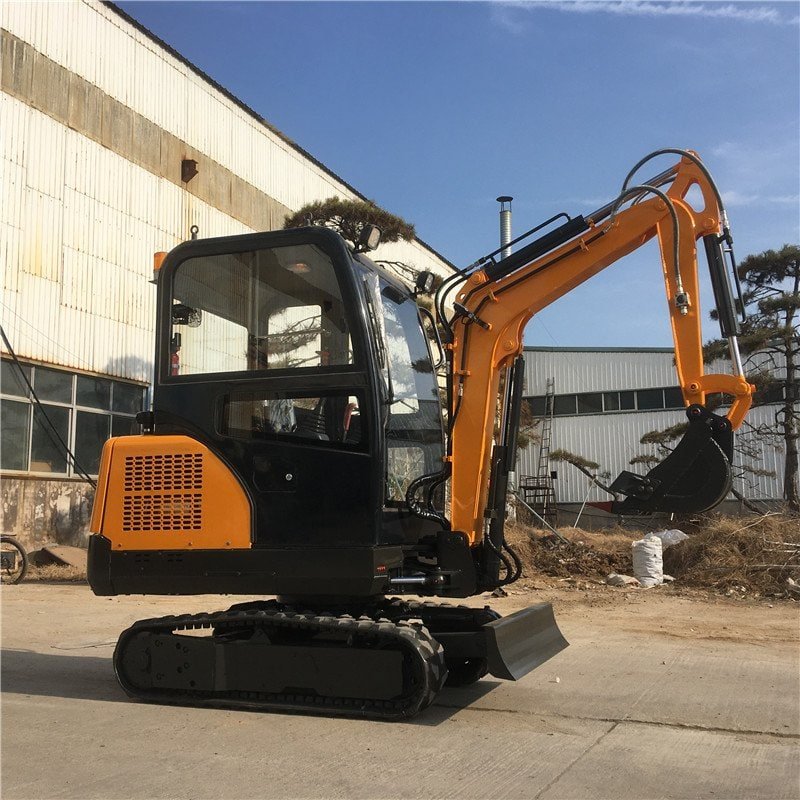
Diving Deeper into Attachment Ecosystems
The choice in the mini excavator vs skid steer debate can sometimes come down to one critical attachment. Let’s look at their typical toolsets.
Accesorios para miniexcavadoras
A mini excavator’s attachments are typically focused on enhancing its core digging and demolition capabilities. Common examples include:
- Multiple Bucket Sizes: For trenching, grading, and ditch cleaning.
- Hydraulic Breakers: For breaking concrete, rock, and asphalt.
- Augers: For drilling deep, precise holes for posts or footings.
- Grapples (Thumbs): For picking up and placing objects like rocks, logs, and debris.
- Rippers: For breaking up hardpan or frozen ground.
- Tiltrotators: An advanced attachment that allows the bucket to rotate and tilt, offering incredible precision.
These attachments make the mini excavator a specialist in below-grade work, utility installation, and demolition.
Skid Steer Attachments
A skid steer’s attachment library is broader and more focused on surface work and material handling. Popular attachments are:
- Buckets (various types): For dirt, light material, and grading.
- Pallet Forks: A must-have for lifting and moving palletized materials.
- Snow Blades/Pushers/Blowers: Making it a valuable machine in winter.
- Trenchers: For cutting narrow trenches for irrigation or cable.
- Sweepers: For cleaning parking lots, roads, and warehouses.
- Stump Grinders and Brush Cutters: For land clearing and landscaping.
The skid steer’s quick-attach system and high-flow hydraulics make it a true multi-purpose tool carrier, ideal for landscapers, rental yards, and property managers who face a different challenge every day.
8,Which Machine Should You Choose for Different Applications?
Theory is helpful, but how does the mini excavator vs skid steer choice play out in the real world? The best machine depends entirely on the job site and the primary tasks at hand.
Let’s break down some common industries and see where each machine typically fits best. The goal is to match the machine’s core strengths to the project’s main requirements.
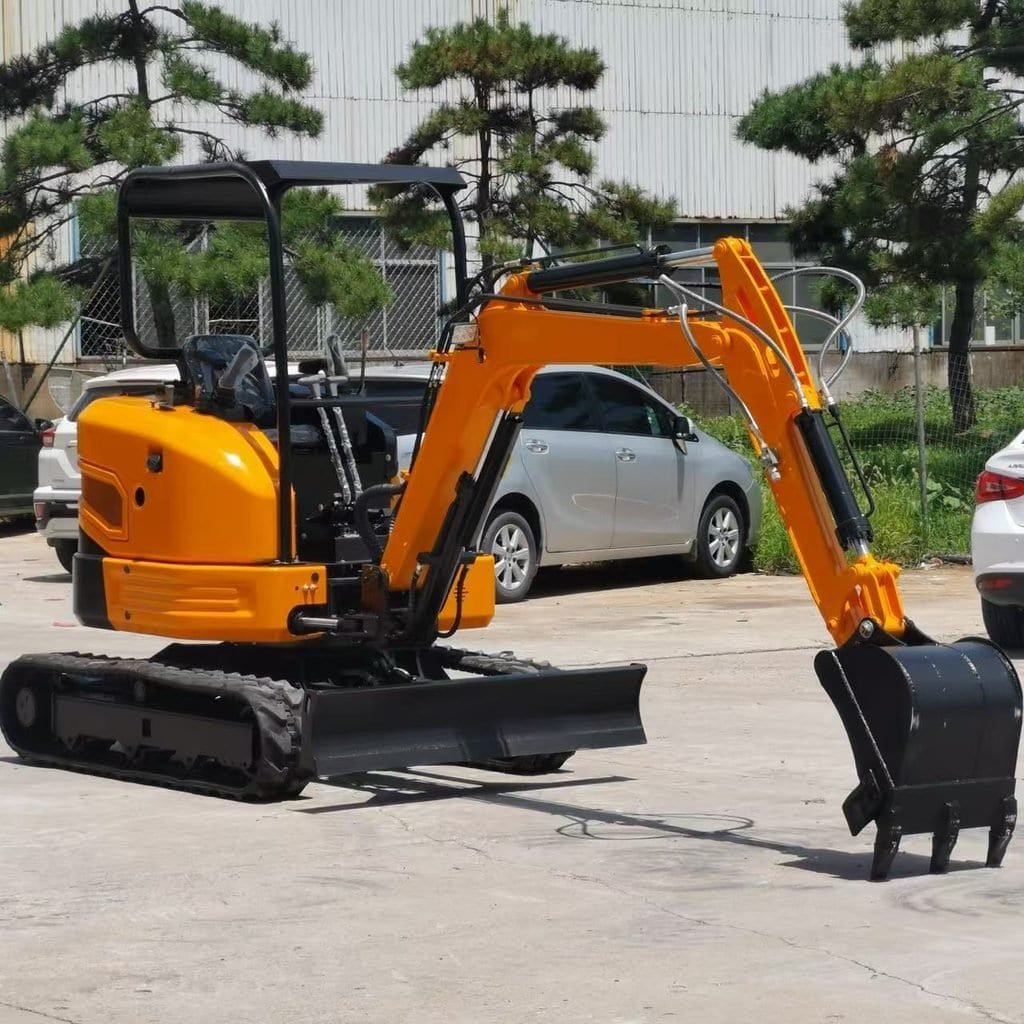
Diving Deeper into Job-Specific Choices
Here’s a practical guide based on my experience helping clients in construction, landscaping, agriculture, and the rental business.
Construction Projects
- Mini Excavator: The go-to machine for foundation digging, utility trenching (water, sewer, electric), septic system installation, and demolition in tight spaces. Its precision and digging depth are essential for site preparation.
- Skid Steer: The workhorse for moving materials (sand, gravel, dirt), backfilling trenches, final grading, and site cleanup. With forks, it’s indispensable for unloading trucks and distributing materials.
paisajismo
- Mini Excavator: Ideal for digging holes for trees and large shrubs, creating ponds and water features, installing irrigation systems, and placing large landscape rocks. Its low ground pressure is a huge plus.
- Skid Steer: Perfect for moving mulch and soil, grading lawns, clearing brush with a cutter attachment, and building retaining walls with block-handling attachments. Its speed makes quick work of large properties.
Agriculture
- Mini Excavator: Useful for digging drainage ditches, clearing out fence lines, removing stumps, and performing small-scale farm construction like barn footings.
- Skid Steer: An everyday tool on many farms for handling feed and hay bales, cleaning out barns and stalls, and moving materials around the property. Its versatility is a major asset.
Rental Business
For rental companies, the decision is market-driven. Both machines are in high demand.
- A miniexcavadora is rented for specific, short-term projects like digging a pool or a foundation.
- A skid steer is rented for a wider variety of tasks, from weekend landscaping projects to week-long construction cleanup jobs.
A successful rental fleet often includes a mix of both to meet diverse customer needs.
9,Mini Excavator vs Skid Steer: Cost Considerations
A machine is an investment, and the purchase price is only part of the equation. When comparing a mini excavator vs skid steer, it’s critical to look at the total cost of ownership (TCO) to understand the true financial impact.
The initial purchase price for comparably sized mini excavators and skid steers can be similar. However, their operating costs, productivity, and ultimate return on investment (ROI) can differ significantly depending on how you use them.
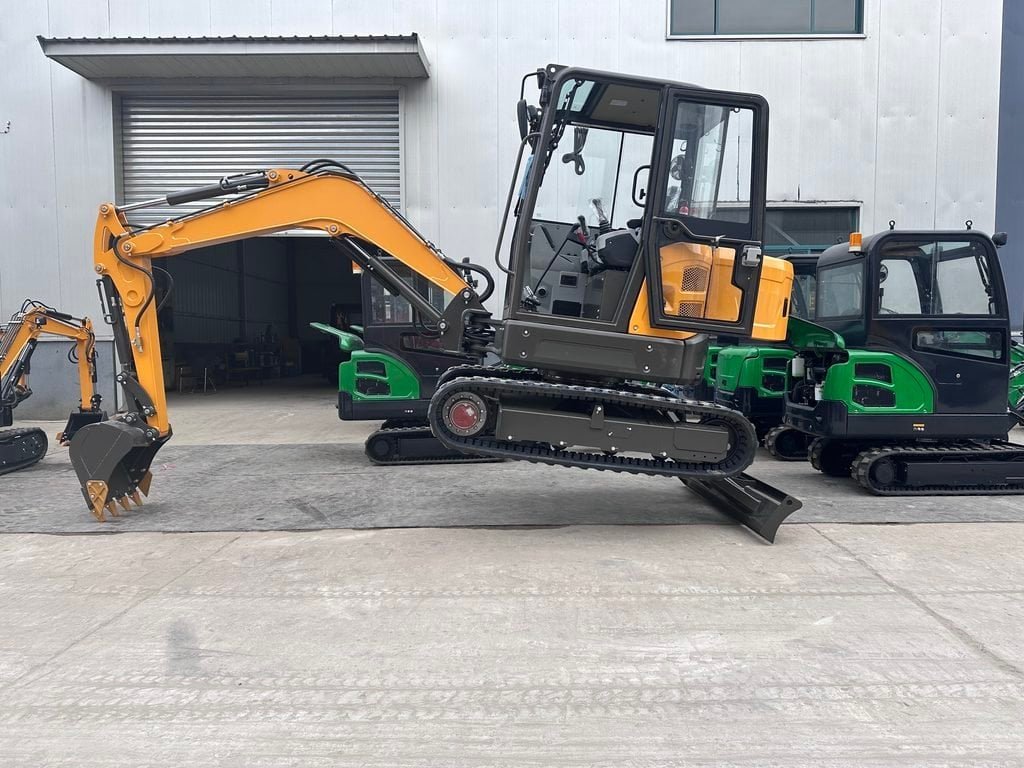
Diving Deeper into the Financial Breakdown
Let’s move beyond the sticker price and analyze the factors that truly affect your bottom line.
Initial Cost
Generally, for a similar operating weight class, prices can be competitive. However, feature-rich mini excavators with options like enclosed cabs, extendable arms, or angle blades can be more expensive upfront than a base-model skid steer. The cost of essential attachments should also be factored into your initial budget.
Operating Costs
This is where the differences can add up.
- Fuel Consumption: Mini excavators often have slightly better fuel efficiency as they can perform a lot of work from a stationary position, running at a steady RPM. Skid steers, which are constantly moving and turning, can sometimes consume more fuel.
- Maintenance: Tire replacement is a significant and recurring cost for skid steers, especially when working on abrasive surfaces like asphalt or concrete. The rubber tracks on a mini excavator tend to have a longer lifespan but can be more expensive to replace when the time comes. Routine engine and hydraulic maintenance costs are generally comparable.
Productivity and Utilization Rate
This is the most important financial metric. The key question is: Which machine will complete my primary tasks faster and more efficiently? If your main job is digging, a mini excavator will generate revenue much faster than a skid steer, making its higher potential cost easily justifiable. Conversely, if you’re a landscaper moving tons of mulch all day, the speed of a skid steer translates directly to more jobs completed and higher profits. The machine that sits idle the least is often the best investment.
10,How to Choose Between a Mini Excavator and Skid Steer?
You’ve reviewed the differences, applications, and costs. Now it’s time to make a decision. How do you synthesize all this information into the right choice for your business?
Choosing between a mini excavator and a skid steer should be a structured process. By answering a series of targeted questions about your work, you can eliminate guesswork and select the machine that will be a true asset.
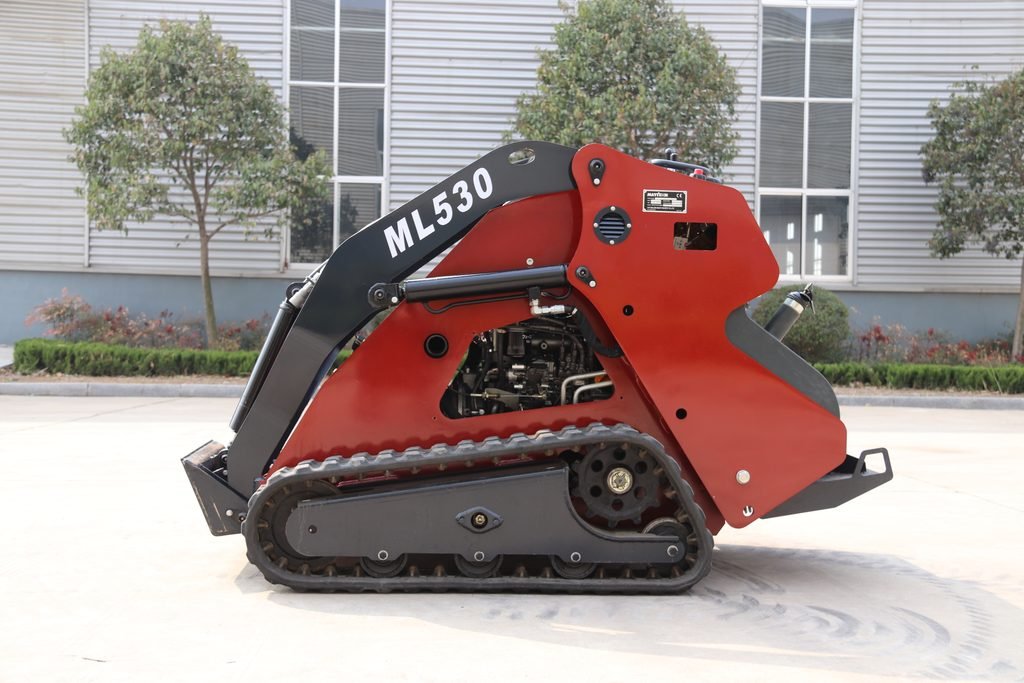
Diving Deeper with a Step-by-Step Guide
I walk my clients through this five-step process to ensure they invest wisely. Follow these steps to find your perfect match in the mini excavator vs skid steer debate.
- Step 1: Define Your Main Tasks (The 80/20 Rule)
What is the one task that will make up 80% of this machine’s workload? Be honest. Is it digging trenches or loading trucks? Don’t buy a machine for the 20% of jobs you do occasionally. Buy it for your core business. If it’s digging, lean toward the mini excavator. If it’s moving materials, lean toward the skid steer. - Step 2: Assess Your Work Environment
Where will you be working? Consider the typical space constraints, terrain, and ground conditions. For tight backyards, delicate lawns, and uneven slopes, the mini excavator’s narrow profile and tracked undercarriage are superior. For open lots, paved surfaces, and jobs requiring high mobility, the skid steer excels. - Step 3: Check Required Digging Depth and Reach
Quantify your needs. Do your jobs require digging deeper than 4-5 feet (1.5 meters)? Do you need to reach over obstacles like fences or walls? If the answer is yes, a mini excavator is not just the better choice—it’s likely the only viable one. - Step 4: List Your Must-Have Attachments
What specific attachments are non-negotiable for your business? If you absolutely need pallet forks for daily use or a snow blower for winter contracts, the skid steer is the natural choice. If a hydraulic breaker or a trenching bucket is your primary tool, the mini excavator’s platform is better suited. - Step 5: Think About Future Growth
Don’t just buy for today’s projects. Where do you see your business in two years? Are you planning to expand into more excavation work or focus on property maintenance services? Choosing a machine that aligns with your future goals will ensure a better long-term return on your investment.
11,HIXEN Mini Excavator Solutions for Different Applications
When the decision points toward excavation, precision, and working in confined spaces, choosing the right mini excavator becomes the next critical step. As a manufacturer specializing in compact equipment, we’ve designed our HIXEN mini excavator lineup to address these specific needs.
Our goal is not just to sell a machine, but to provide a solution that enhances your productivity and profitability. The right equipment depends on the job, and HIXEN helps customers choose the right configuration for their applications.
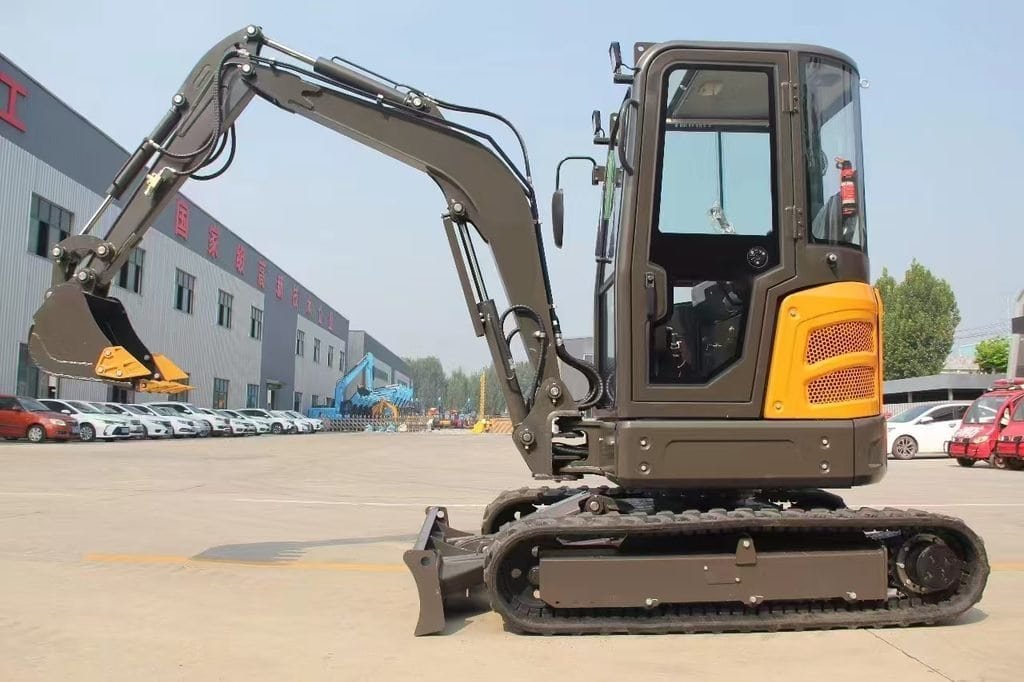
Diving Deeper into HIXEN’s Offerings
We focus on providing powerful, reliable mini excavators tailored to the demands of our global customers, whether they are in construction, landscaping, agriculture, or utility work.
Compact Excavators for Versatile Jobs
HIXEN mini excavators are engineered to deliver powerful digging force and precise control in a compact package. Our machines are at home on a variety of job sites, from residential landscaping and urban construction to farm maintenance and utility projects. The versatility of our machines, combined with a range of attachments, ensures you can tackle more jobs with a single piece of equipment.
Different Sizes for Different Needs
We understand that one size does not fit all. Our product line includes micro, small, and medium-sized excavators. We guide our customers—dealers, construction firms, and rental companies—through the selection process based on key factors:
- Peso operativo: From 1-ton models for interior work to larger 8-ton units for more demanding site prep.
- Digging Depth & Reach: Ensuring the machine meets the specific depth requirements of your projects.
- Machine Width: Critical for guaranteeing access through narrow gates and doorways.
- Working Conditions: Matching the machine’s features to the terrain and environment.
Export-Oriented Support
As a global supplier, we provide comprehensive support for our international partners and customers. This includes providing detailed technical documents, ensuring reliable spare parts availability, offering clear operation manuals, and delivering responsive after-sales assistance. We work closely with importers and dealers to ensure the equipment meets local emission standards and regulations, making the procurement process smooth and transparent.
10 Questions to Ask Before Buying
Whether you’re leaning toward a mini excavator or a skid steer, asking the right questions before you buy can save you from costly mistakes. Use this checklist when talking to any supplier, including us.
- What are the primary applications this specific model is designed for?
- What is the maximum digging depth and reach of the machine?
- What is the overall width of the machine (tracks/tires included)? Will it fit through my job site access points?
- What attachments are available, and what is the cost and availability of my “must-have” attachments?
- What is the machine’s operating weight, and what are my transportation requirements?
- What brand of engine is installed, and where can it be serviced?
- What emission standard does the engine meet (e.g., EPA Tier 4, Euro V)?
- What is the standard warranty period, and what exactly does it cover?
- How do I get spare parts, and what is the typical lead time?
- What kind of technical support and training can you provide after the sale?
Frequently Asked Questions
Is a mini excavator better than a skid steer?
Neither is universally “better.” A mini excavator is better for digging, trenching, and tasks requiring reach and precision. A skid steer is better for loading, lifting, grading, and tasks requiring high mobility and a wide variety of surface-level attachments. The best machine depends on your primary job.
Can a skid steer dig like a mini excavator?
A skid steer can dig using a backhoe or trencher attachment, but it is not as efficient, precise, or powerful as a mini excavator. Its digging depth is limited, and it’s not ideal for prolonged excavation. It’s best for occasional, shallow digging tasks.
Which machine is better for landscaping, a mini excavator vs skid steer?
It depends on the task. A mini excavator is better for planting trees, building ponds, and installing irrigation. A skid steer is better for moving mulch and soil, grading large areas, and clearing lots. Many large landscaping companies own both.
Is a mini excavator good for farming?
Yes, a mini excavator is very useful on a farm for tasks like digging drainage ditches, clearing overgrown fence lines, removing stumps, and handling small construction projects. Its precision and ability to work in varied terrain are significant advantages.
Should I buy a mini excavator or skid steer first?
Consider the 80/20 rule: buy the machine that will perform 80% of your work. If your business is built on excavation, buy the mini excavator first. If it’s built on material handling and property maintenance, buy the skid steer first.
12,Need Help Choosing Between a Mini Excavator and Skid Steer?
The debate over mini excavator vs skid steer is ultimately resolved by aligning the machine’s strengths with your specific operational needs. A mini excavator is your specialist for precise digging, trenching, and below-grade work, offering unmatched depth and control. A skid steer is your versatile workhorse for rapid material handling, loading, and a vast range of surface-level tasks powered by attachments. By focusing on your primary applications, work environment, and long-term business goals, you can make an investment that pays dividends in efficiency and profitability.
If you’ve determined that a mini excavator is the right solution for your projects, our team at HIXEN is here to help. Contáctenos today for a personalized consultation, and let’s configure the perfect compact excavator for your application needs.
