
Many purchasers look for the largest telehandler without fully comprehending what “biggest” actually entails. Selecting an oversized machine without doing a thorough analysis can result in higher expenses and decreased productivity. The reality behind the biggest telehandlers in the world is explained in this guide.
The biggest telehandlers are heavy duty, industrial machines designed for extreme lifting capacity and extended reach. They are mainly used in large construction, mining, port, and infrastructure projects where standard telehandlers cannot safely handle the required loads.
To understand what truly defines the biggest telehandlers, it helps to start with the largest machines currently operating around the world.
Top 5 Biggest Telehandlers in the World
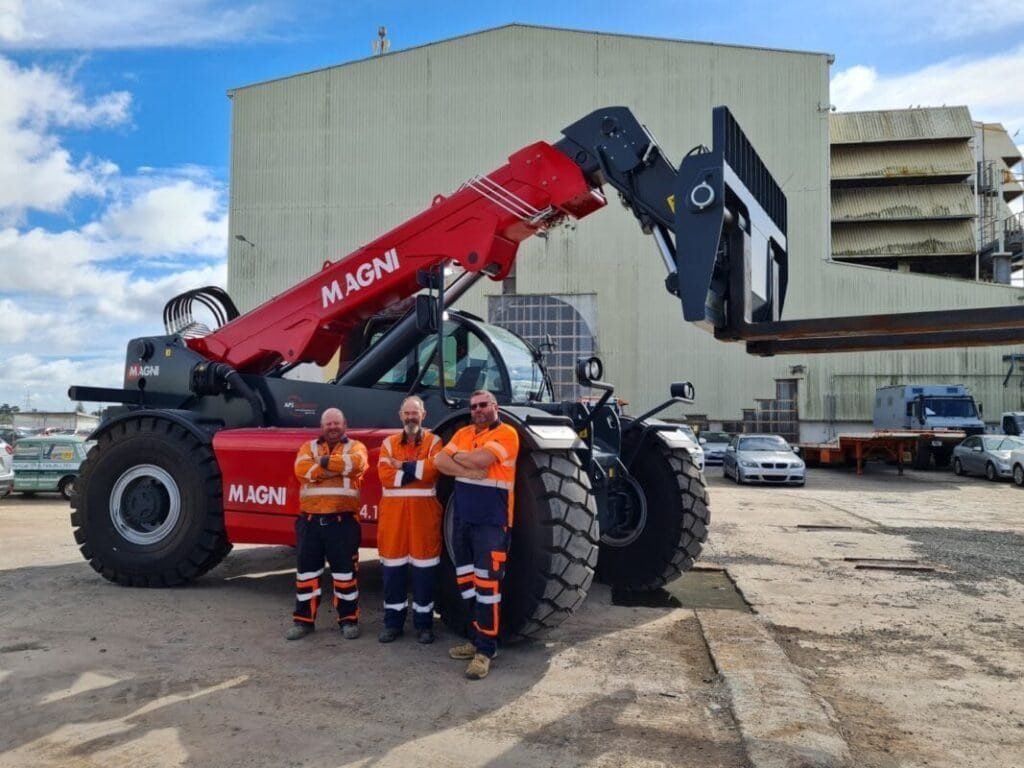
Magni HTH 50.14
The Magni HTH 50.14 is thought to be one of the biggest telehandlers in the world. It was made for very heavy lifting jobs that regular construction equipment can’t handle.
This heavy-duty telehandler can lift up to 50 tons, making it perfect for industrial-scale jobs where stability and accuracy are very important.
You don’t see this machine very often on regular construction sites. Instead, it is often used in oil and gas projects, building heavy infrastructure, and lifting things in specialized industrial settings. Its reinforced boom structure, advanced load management systems, and oversized chassis make it safe to use in places where safety margins need to stay high even when the load is at its heaviest. In Africa and the Middle East, machines like these are usually used in energy plants, port expansions, and big industrial projects.
Manitou MHT 12330
The Manitou MHT 12330 is a great example of a large telehandler for construction and material handling because it has a lot of lifting power and is easy to use in the real world.
This industrial telehandler has a great lifting capacity while still being easy to move around in tough conditions every day.
People often use the MHT 12330 in ports, steel yards, and big logistics centers where they need to move heavy loads quickly and easily. It is popular in African ports and South American industrial centers because it works well even when it is running all the time. This model is not like ultra-specialized heavy lifters; it fits right into regular workflows and gives you both strength and operational flexibility.
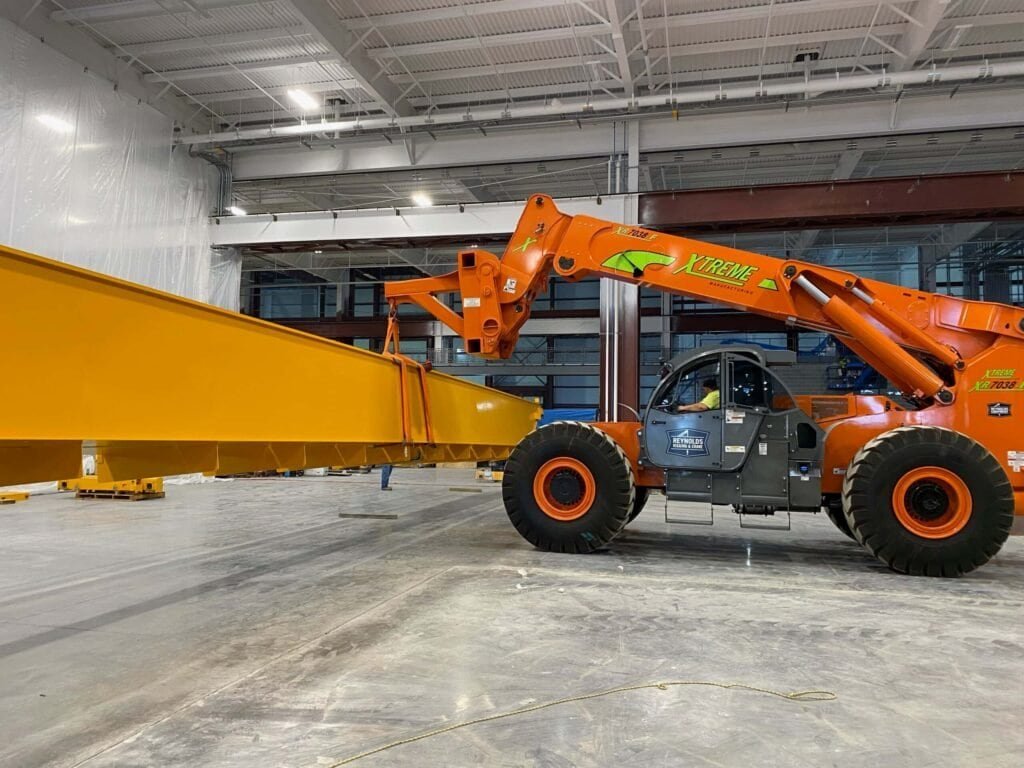
Xtreme XR7038-F
The Xtreme XR7038-F reflects the American design philosophy of building large, rugged machines capable of handling extreme conditions and heavy loads.
This heavy duty telehandler combines high lifting capacity with a reinforced structure suited for rough terrain and challenging construction environments.
Built for durability, the XR7038-F is commonly used on large construction sites and industrial yards where ground conditions are uneven. Its emphasis on stability at height makes it suitable for lifting heavy materials to elevated positions. In African infrastructure projects and large-scale construction developments, equipment of this type is valued for its ability to maintain performance despite harsh operating conditions.
Manitou MHT 11250 ST5
The Manitou MHT 11250 ST5 is not the biggest telehandler on the market, but it is known for being a dependable industrial telehandler that can handle heavy-duty work all day long.
This model lifts heavy things well and gives you precise control, so it’s great for industrial jobs that need consistent productivity instead of extreme capacity.
Steel mills, cement factories, and big warehouses all use the MHT 11250 ST5 a lot.
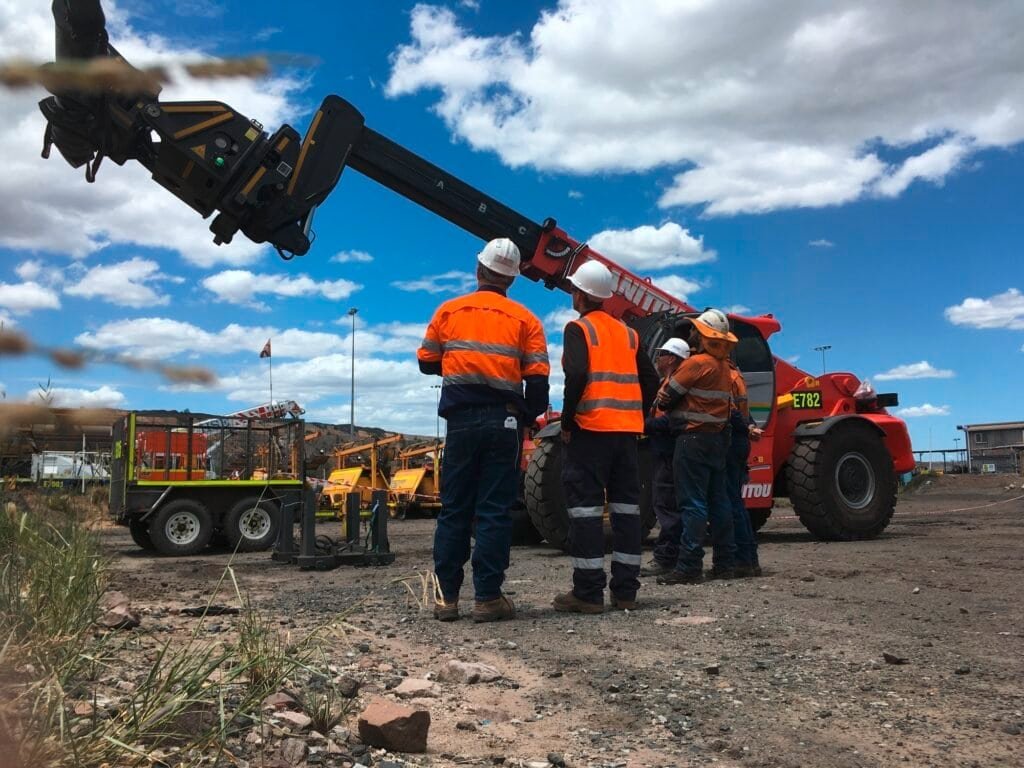
Xtreme XR50100-G
The Xtreme XR50100-G, often referred to as “Trackzilla,” stands out by combining massive lifting capability with a tracked undercarriage.
Its tracked design allows this large telehandler to operate on soft, muddy, or uneven ground where wheeled machines may struggle.
This capability makes the XR50100-G particularly valuable in mining areas, remote construction sites, and sandy environments commonly found in parts of Africa. While tracked telehandlers typically involve higher transportation and maintenance requirements, their ability to maintain stability and traction in difficult terrain makes them essential for specific heavy-duty applications.
What Is the Maximum Lifting Capacity of the Biggest Telehandler?
When buyers discuss the biggest telehandler capacity, they are usually referring to the maximum lifting weight listed by the manufacturer under ideal conditions.
The largest telehandlers can exceed 40 tonnes of lifting capacity, but actual usable capacity depends heavily on boom extension, lifting height, and ground stability.
Published maximum figures apply only at specific configurations. As lifting height increases or the boom extends forward, effective capacity decreases significantly. Buyers should always evaluate real working scenarios rather than relying solely on headline specifications.
How High Can the Biggest Telehandler Lift?
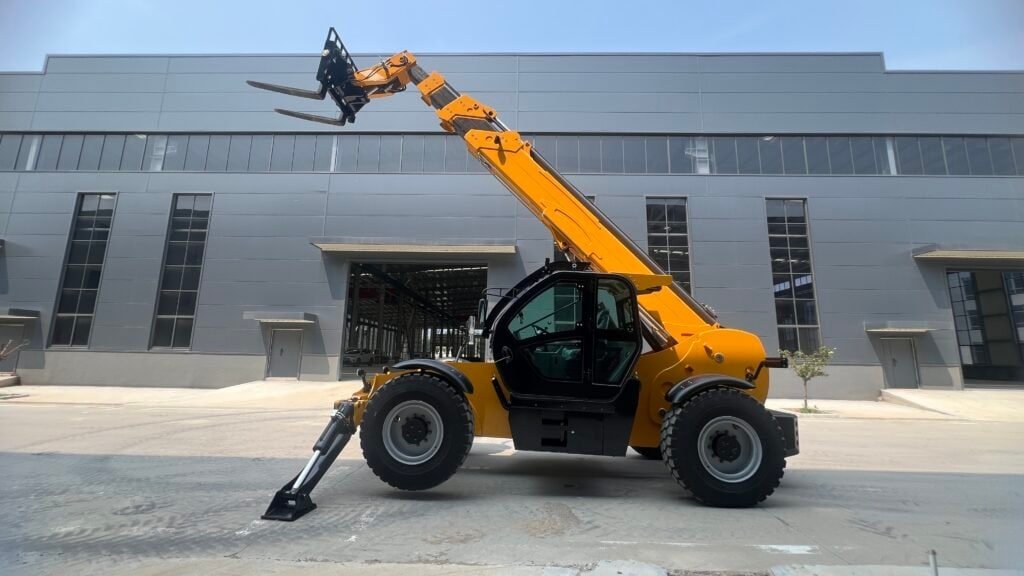
Lifting height is another key factor that defines the largest telehandlers, particularly for vertical construction and industrial stacking applications.
The biggest telehandlers can reach lifting heights of more than 15 meters, with some models approaching or exceeding 18 meters under controlled conditions.
High lifting capability allows these machines to replace cranes or multiple smaller machines in certain tasks. However, greater height increases the importance of stability systems, operator training, and safety controls. In regions where safety standards vary, selecting equipment with advanced load monitoring technology becomes especially important.
Where Are the Biggest Telehandlers Commonly Used?
Understanding typical application environments helps buyers determine whether a large telehandler for construction is truly necessary.
The biggest telehandlers are most commonly used in heavy construction, mining, ports, energy projects, and large industrial facilities.
In Africa, these machines are frequently deployed in mining operations, port construction, and major infrastructure developments. In South America, they are widely used in industrial plants, logistics centers, and large-scale construction projects. Their ability to handle heavy loads while maintaining flexibility makes them ideal for regions with expansive project sites and high material handling demands.
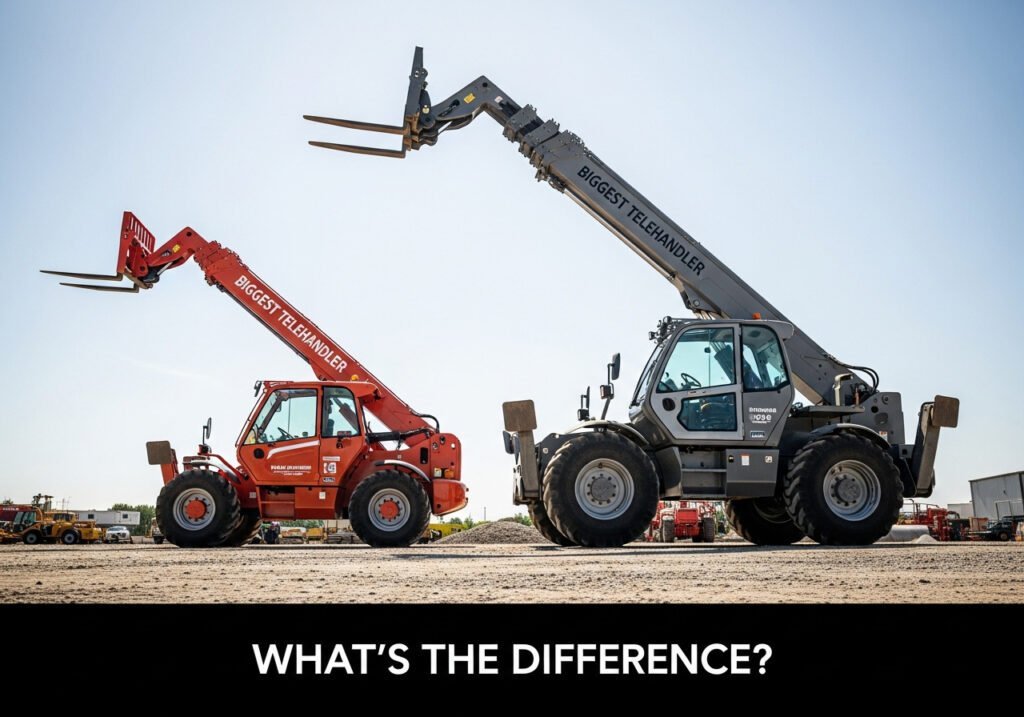
Biggest Telehandler vs Standard Telehandler: What’s the Difference?
| Parameter | Biggest Telehandler | Standard Telehandler |
|---|---|---|
| Typical Lifting Capacity | 10–50+ tonnes | 2–4 tonnes |
| Maximum Lifting Height | 15–18+ meters | 6–10 meters |
| Machine Size & Weight | Extremely large and heavy, requires reinforced ground | Compact to medium size, suitable for most job sites |
| Primary Applications | Heavy industry, mining, ports, energy projects | General construction, material handling, agriculture |
| Maneuverability | Limited in tight spaces | High maneuverability in confined areas |
| Transportation Requirements | Special transport and higher logistics cost | Easier transport, lower shipping cost |
| Operating Cost | High fuel consumption and maintenance cost | Lower operating and maintenance cost |
| Skill Requirement | Requires experienced operators | Easier for standard operators |
| Best Use Case | Specialized heavy-lift and large-scale projects | Daily construction and versatile job site tasks |
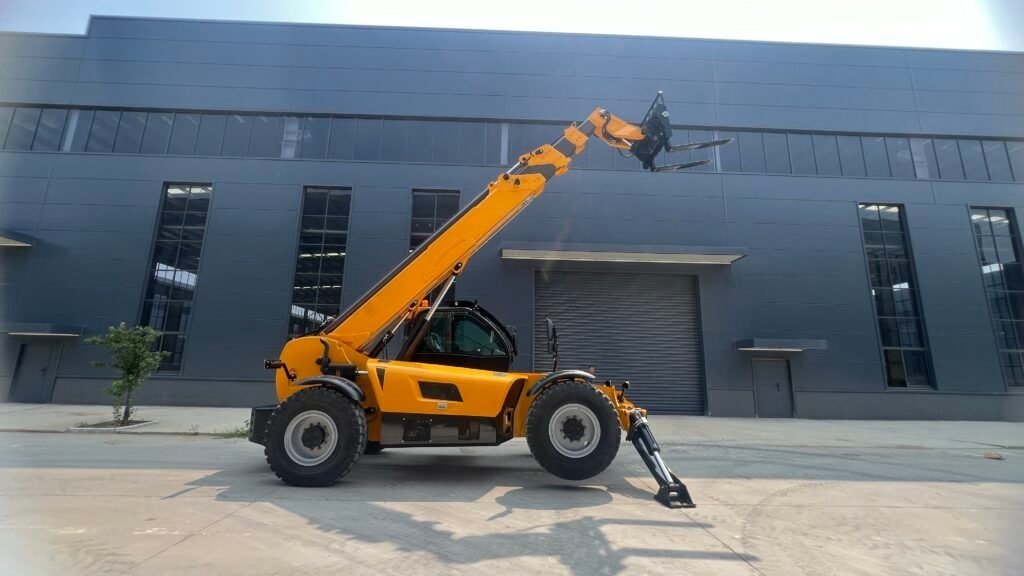
Which Telehandler Is Right for You?
Selecting the right telehandler involves balancing lifting capacity, lifting height, operating environment, and budget considerations.
For most construction and industrial projects, matching machine capability to actual workload delivers the best return on investment.
While the world’s biggest telehandlers serve niche applications, many projects are better supported by large but practical machines. Telehandlers in the 3–6 ton range often provide a balanced solution for demanding construction tasks without unnecessary complexity, and suppliers like HIXEN can support these requirements efficiently.
Summary
The biggest telehandlers demonstrate extreme lifting capability, but the smartest purchasing decisions focus on matching capacity, height, and working conditions to real project needs.
