
Excavators are designed in different types to suit various work scenarios. If you’re unsure which type of excavator to choose, here’s a simple guide to help you make a decision.
The most common types of excavators include crawler, wheeled, mini, long reach, skid steer, dragline, suction, backhoe, and hydraulic shovel models. Each excavator type suits different job sites, and choosing the right one depends on your needs, space, and budget.
Let’s explore each excavator type and find out which one fits your project best.

What Are Different Types Of Excavators?
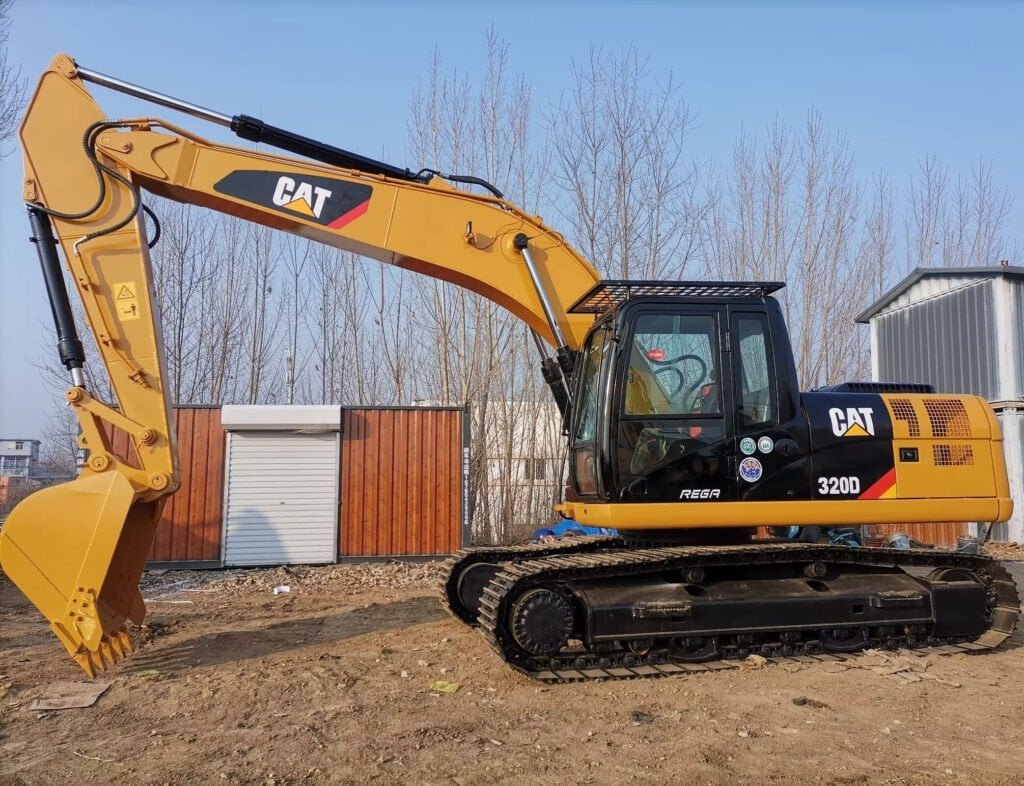
Crawler Excavator
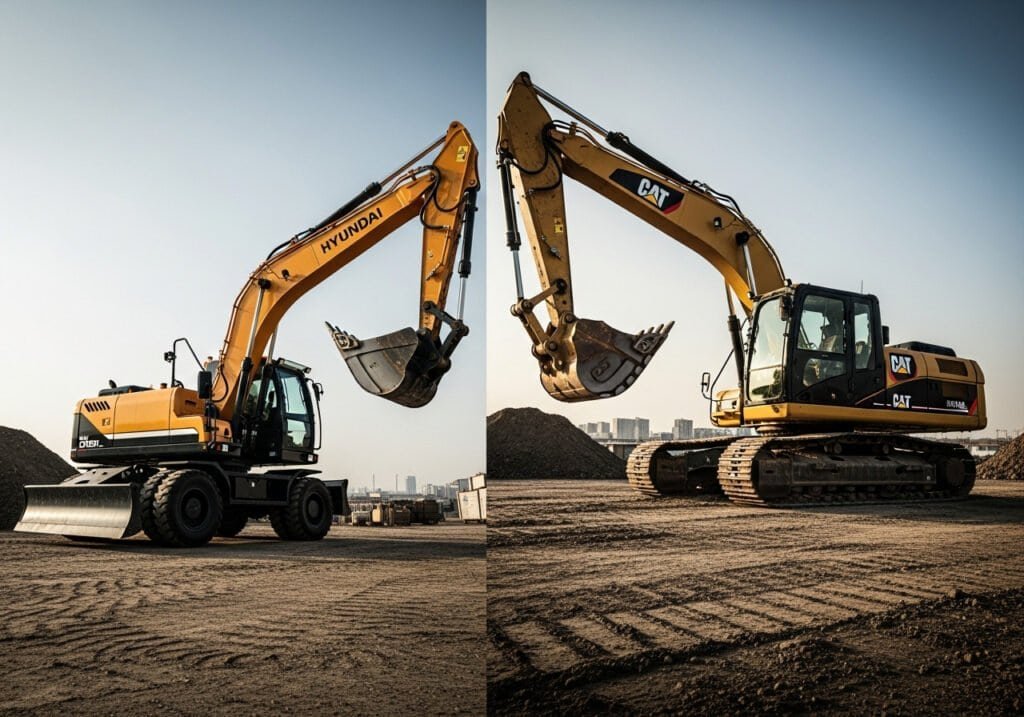
Crawler excavators, also known as tracked excavators, run on continuous tracks instead of wheels. They offer excellent stability on uneven or muddy terrain. These machines are ideal for heavy-duty tasks like earthmoving, trenching, mining, and demolition. Their hydraulic power systems allow deep digging and lifting heavy loads.
Pros: Great traction, high lifting capacity, stable on soft ground
Cons: Slower movement, not suitable for paved surfaces
Common models: CAT 320, KOMATSU PC200
Excavadora con ruedas
Wheeled excavators are equipped with rubber tires, making them more mobile and suitable for paved roads or urban environments. They are best for street work, utility projects, and light construction tasks. They can move quickly between job sites without a trailer.
Pros: Fast travel speed, no damage to pavement, easy to maneuver in cities
Cons: Less stable on rough terrain, limited to firm surfaces
Common models: VOLVO EW160, HYUNDAI 150

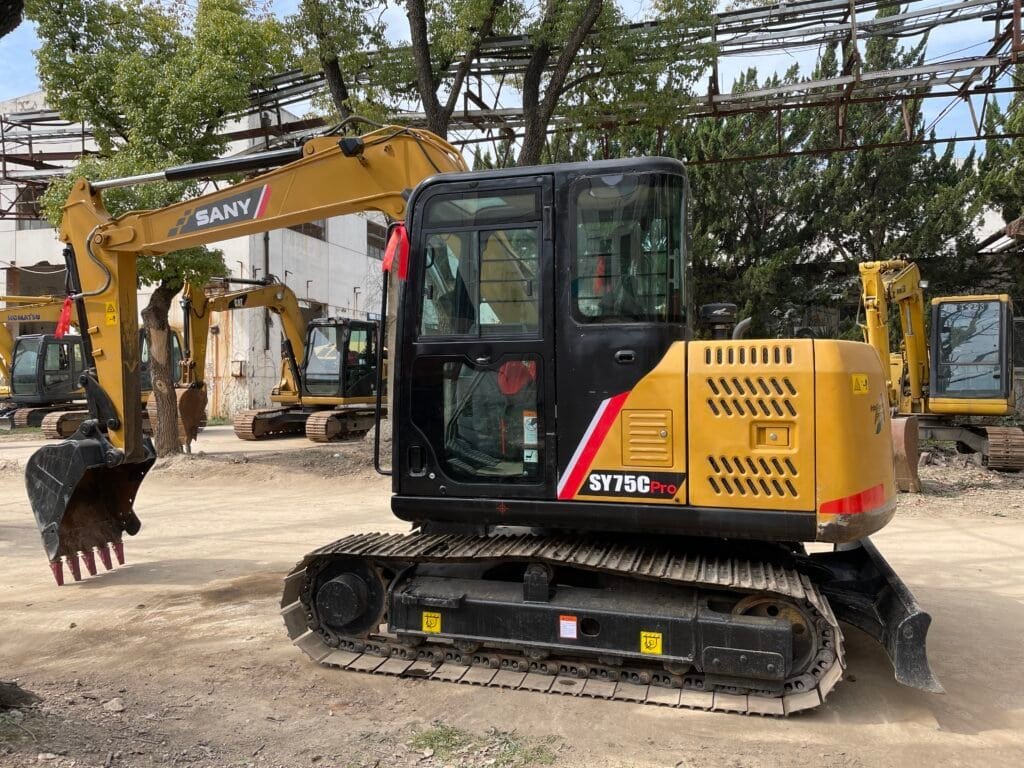
Mini excavador
Mini excavators are compact machines used for light-duty tasks in tight or confined areas. They typically weigh less than 6 tons. Perfect for landscaping, residential jobs, and indoor demolition. Their small footprint reduces ground impact and allows easy access through narrow spaces.
Pros: Highly maneuverable, low transport costs, ideal for small projects
Cons: Limited digging depth and power
Common models: BOBCAT E35, KUBOTA U55
Long Reach Excavator
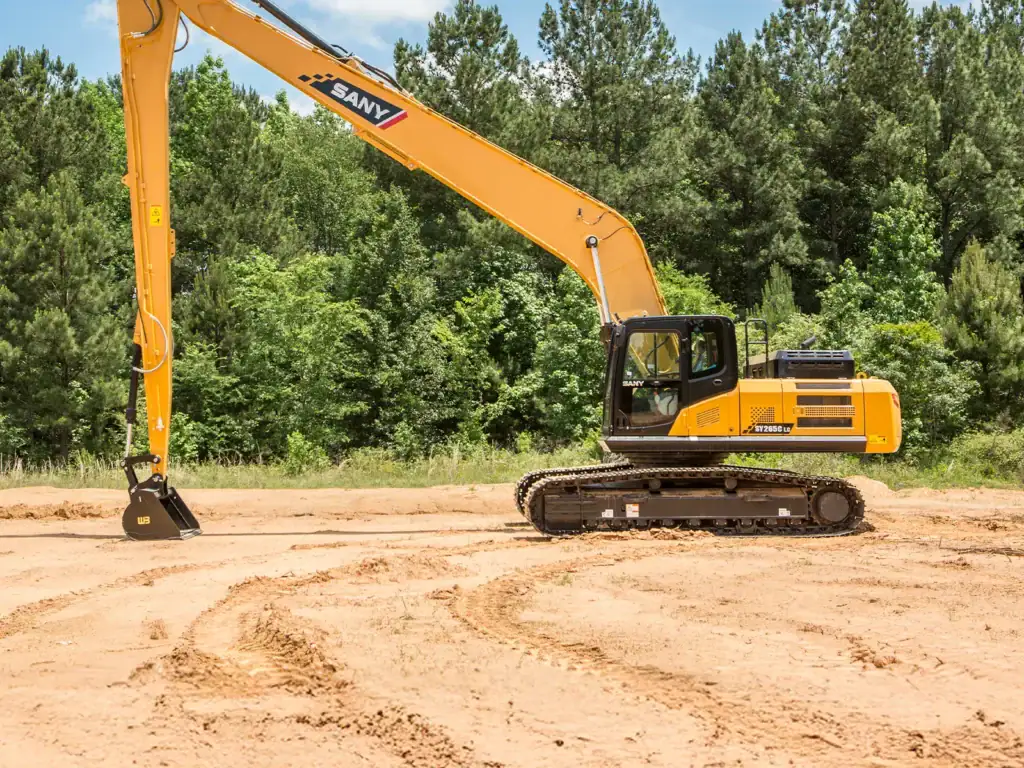
Long reach excavators are fitted with extended arms and booms, allowing them to dig or demolish from a distance. Commonly used in dredging, deep trenching, and working over water or obstacles. They prioritize reach over raw power.
Pros: Extended reach, safe for distant or hazardous areas
Cons: Reduced lifting capacity, less versatile
Common models: CAT 340 UHD, HITACHI ZX350LC Long Reach
Skid Steer Excavator
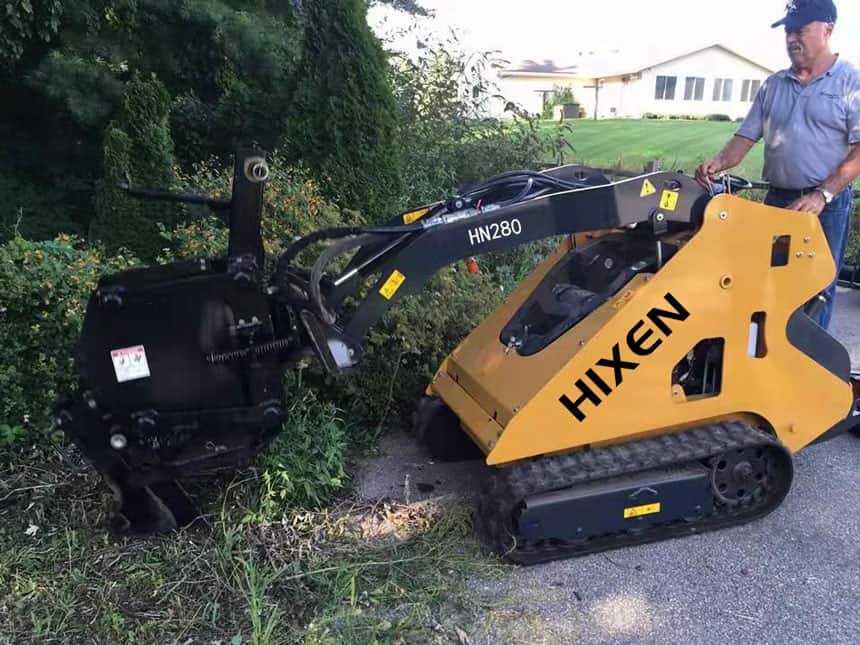
This is a compact hybrid where a skid steer loader is fitted with an excavator arm or backhoe attachment. Excellent for confined construction sites or jobs requiring multiple attachments. Their turning radius is minimal, and they can work indoors or in urban zones.
Pros: Highly versatile, easy attachment swapping
Cons: Limited digging depth and breakout force
Common models: BOBCAT 430, CASE CX36B
Dragline Excavator
Dragline excavators are large, specialized machines that use cables and a bucket system to drag material rather than digging with hydraulic force. They are mainly used in mining, dredging, and large-scale civil engineering projects
Pros: Ideal for deep excavation and underwater work
Cons: Very large and expensive, complex operation
Common models: LIEBHERR HS 8300, MARION 8050
Suction Excavator
Also called vacuum excavators, these use high-pressure air or water to loosen soil and then vacuum it into a storage tank. Best suited for utility work near underground cables or pipelines where precision and safety are critical.
Pros: Minimal risk of damaging underground utilities, clean operation
Cons: Slower than mechanical digging, high operating cost
Common models: DITCH WITCH FXT50, VERMEER VX50
Excavadora de retroexcavadora
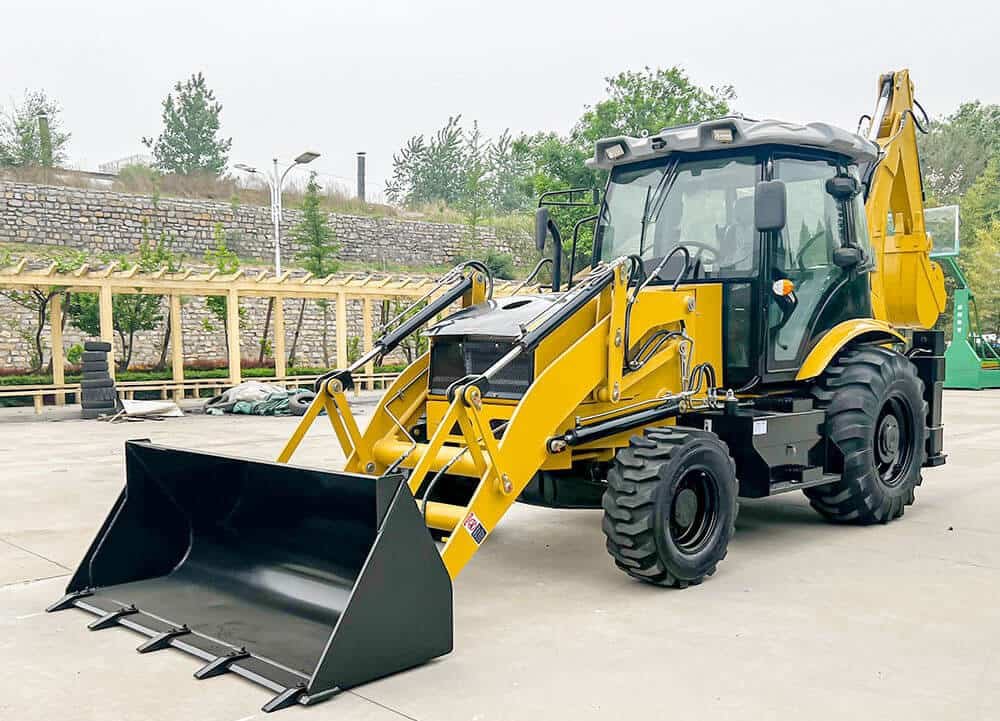
A backhoe is a versatile machine with a digging bucket on the back and a loader on the front. It’s commonly used in farming and small-scale construction. Great for general-purpose digging, loading, and material transport on-site.
Pros: Multi-functional, cost-efficient
Cons: Limited power compared to dedicated excavators
Common models: JCB 3CX, CASE 580N
Hydraulic Shovel Excavator
Hydraulic shovels are massive machines used in mining and heavy excavation. They feature a front-facing bucket that lifts material upward. These are used for moving large volumes of earth, rock, or ore in short cycles.
Pros: Extreme digging power, fast loading cycles
Cons: High fuel consumption, not suitable for small sites
Common models: CAT 6090 FS, HITACHI EX8000
What Is The Most Commonly Used Excavator?
Crawler excavators are by far the most common type used around the world. They have a strong mix of power, stability, and adaptability for different types of work. Crawler models are the most popular in the construction and mining industries. They come in sizes from small to huge and can work with a lot of different attachments. For most contractors, buying a used CAT or KOMATSU crawler is the safest way to invest for the long term.

Which Excavator Types Suit Small Construction Sites?
Mini and midi excavators are perfect for smaller job sites, especially those with limited space or access. These machines are compact yet powerful, reducing damage to surrounding areas. They are easy to transport and cost-effective. Used BOBCAT, SDLG, and HYUNDAI models are highly recommended for buyers with moderate budgets.
Are Wheeled Excavators Better Than Crawler Types?
It all depends on what you’re working on. Wheeled excavators are better for city projects because they can move around more easily. Crawlers are better for rough or muddy ground. For speed and road work, choose wheeled. For stability and power, choose crawler. Used crawler models are still very useful in developing areas where there aren’t many paved roads.
How To Choose The Right Excavator Size For Your Project?
You need to consider your job scope, material type, site access, and budget. Here’s a quick guide:
- Mini (0–6 ton): Landscaping, indoor
- Midi (6–10 ton): Roadwork, housing
- Standard (10–45 ton): Construction
- Large (45+ ton): Mining, infrastructure
- Buying a second-hand excavator by size category is a smart way to save and still get the job done.
What Are The Best Excavator Brands In The Market?
Trusted brands ensure parts availability and better resale value. Here are our top picks:
CAT, BOBCAT, HYUNDAI, SDLG, VOLVO, and KOMATSU
These brands dominate both the new and used excavator markets across South America, Africa, and the Middle East.
Why Choose Used Excavators Instead Of New Ones?
Buying used saves up to 50% of your budget while still getting reliable performance—especially when you choose the right seller. Used excavators offer great value, faster ROI, and are perfect for budget-sensitive projects.
Visit our Made-in-China store to view available used CAT, KOMATSU, and BOBCAT excavators today.
Resumen
There are many excavator types available—choose one based on your job needs, then explore used options to save money without losing performance.
