
Struggling with the decision between telehandler rental vs purchase? Many businesses opt for renting to avoid a large upfront investment, fearing the high sticker price of a new machine. However, if you find yourself renting the same equipment for several months each year, those costs can accumulate surprisingly fast, potentially exceeding the purchase price over just a few years. The real question isn’t just about the rental fee versus the purchase price; it’s about the total cost over the machine’s entire lifecycle in your operation.
The choice between a telehandler rental vs purchase hinges on your total cost of ownership (TCO) rather than just the upfront expense. Renting is generally more cost-effective for short-term, infrequent needs (less than a few months per year). In contrast, purchasing becomes the smarter financial decision for long-term, high-frequency use where the machine is a core part of your daily or weekly operations.
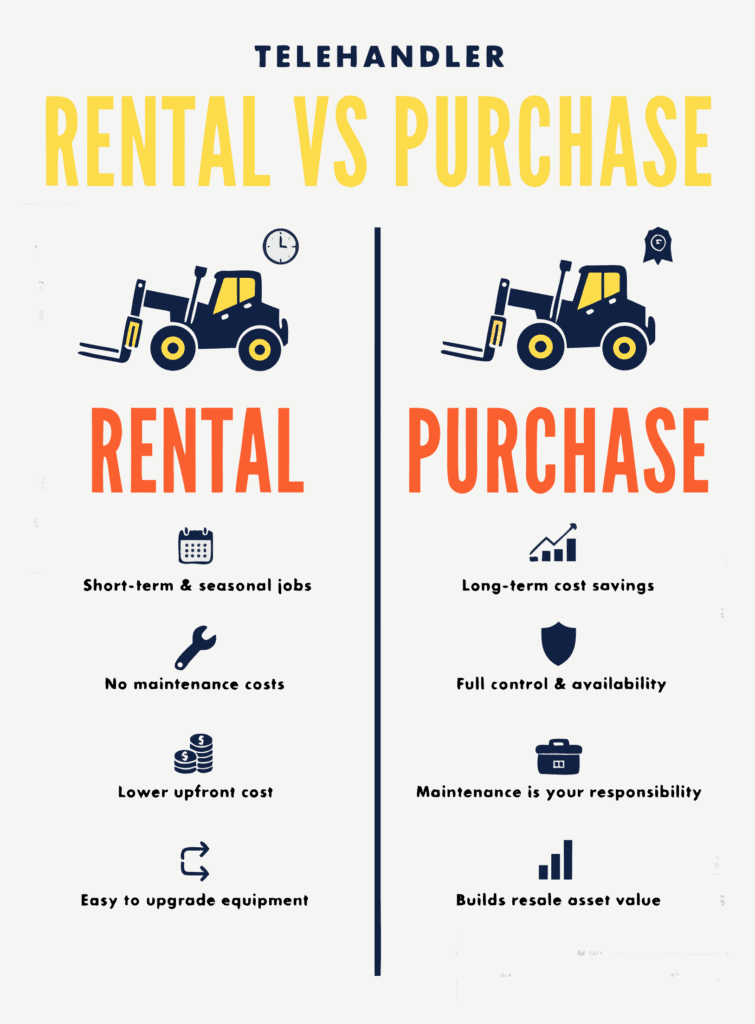
Now that we have the direct answer, the real work begins. To make the right choice for your business, you need to break down the costs, benefits, and risks of each option. Let’s dive deeper into the key factors that will determine which path truly saves you more money.
1,How Does Your Usage Duration Impact the Telehandler Rental vs Purchase Decision?
It’s easy to focus on the immediate needs of a single project. But this short-term view can lead to poor financial decisions down the road. The most critical question you should ask is not about today, but about the next three to five years.
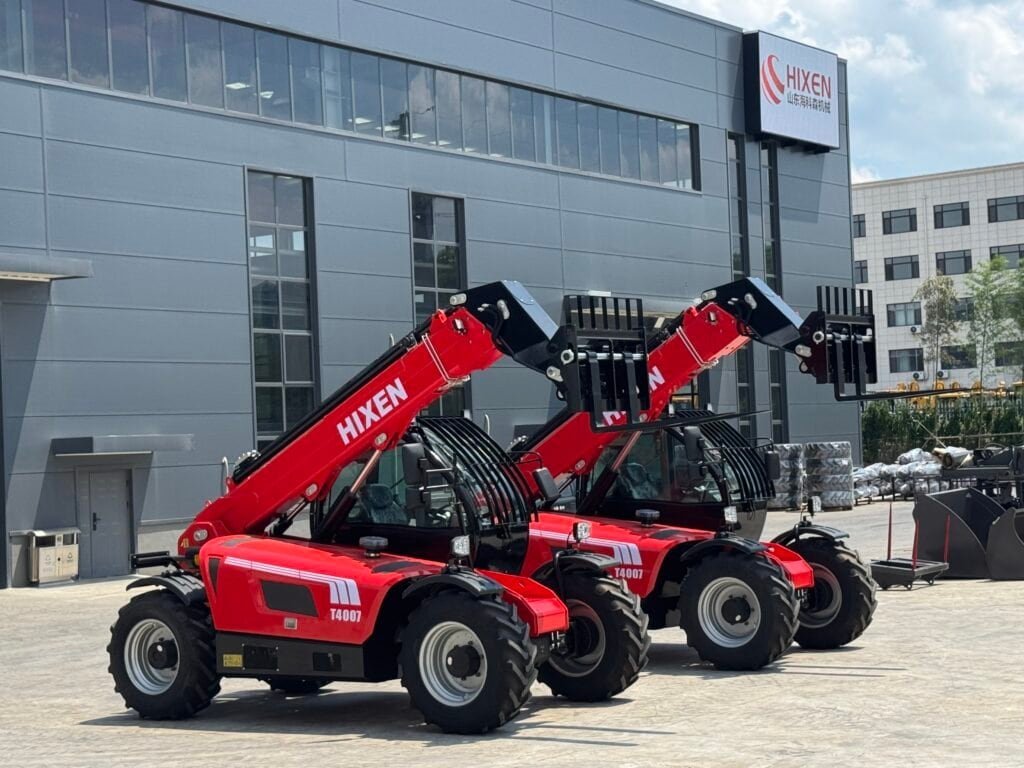
The smartest way to start this analysis is by honestly forecasting your equipment needs over the long term. Instead of asking, “Do I need to buy this telehandler now?” you should be asking, “How many days will I use this machine over the next three to five years?” This shift in perspective is the foundation of a sound procurement strategy.
Dive Deeper
Forecasting your usage allows you to categorize your needs, which points you toward the most logical financial path. Most businesses fall into one of three categories.
Short-Term or Infrequent Use: Rental Is King
If your need for a telehandler is limited, renting is almost always the superior choice. This category includes scenarios like:
- Single, short-duration projects that last a few weeks or months.
- Temporary replacement for an owned machine that is down for significant repairs.
- Seasonal demand, such as agricultural harvesting or annual inventory management in a large warehouse.
- One-off tasks where you won’t need the machine again once the job is complete.
In these cases, the math is simple. The cost of a few rental payments is far less than the total cost of ownership. You avoid maintenance, storage, insurance, and depreciation for a machine you don’t need year-round.
Medium-Term or Recurring Use: Time for Calculation
This is the grey area where most businesses need to do their homework. Your situation might look like this:
- You have multiple projects each year that require a telehandler.
- There are significant idle periods between these projects.
- You consistently rent a machine for 4-7 months out of the year, every year.
Here, you must compare your total annual rental costs to the costs of ownership. For example, if you rent a telehandler for $4,000 per month for six months, your annual cost is $24,000. Over three years, you will have spent $72,000 on rentals—potentially more than the price of a reliable used telehandler—with zero equity to show for it. This is the point where purchasing starts to look very attractive.
Long-Term and High-Frequency Use: Purchase Becomes the Clear Investment
If a telehandler is central to your operations, the argument for purchasing becomes overwhelming. This applies if:
- The machine is used almost daily or weekly throughout the year.
- You have a stable book of business and can confidently predict your equipment needs for the next several years.
- The telehandler is a core asset for your construction site, farm, rental yard, or logistics hub.
When you have near-constant demand, every dollar spent on rent is a dollar you could have put toward an asset. Ownership gives you control, availability, and, eventually, a lower total cost of operation per hour.
2,Beyond the Upfront Price: How Do Cash Flow and Total Cost of Ownership Compare?
The upfront price tag on a telehandler can be intimidating, causing many to default to renting. This protects immediate cash flow, which is a valid concern for any business. However, a fixation on short-term cash can obscure the more significant long-term financial picture.
The debate over telehandler rental vs purchase is fundamentally a conflict between two financial priorities: preserving short-term cash flow (renting) versus minimizing long-term total cost of ownership, or TCO (buying). Answering “Which is more important to my business right now?” will guide your decision.
Dive Deeper
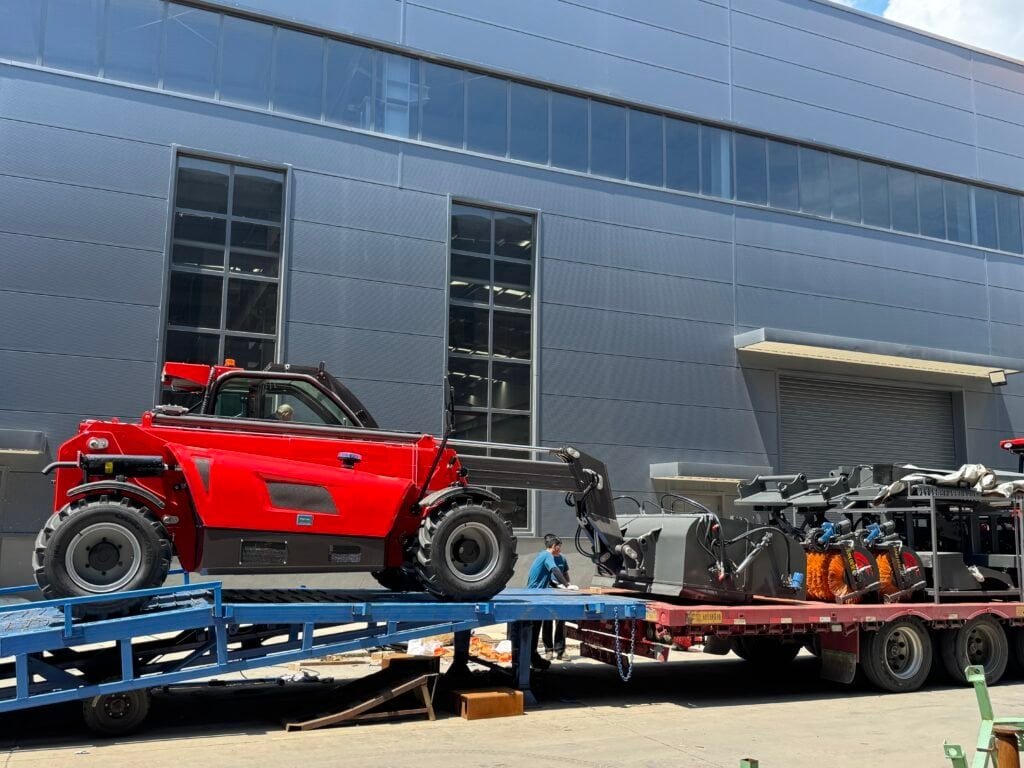
Let’s break down these two financial philosophies to see how they apply to your business.
The Case for Renting: Protecting Your Cash Flow
Renting is an operational expense (OpEx), not a capital expense (CapEx). This has several powerful advantages for cash flow management:
- Low Upfront Cost: You can get the equipment you need on-site with minimal initial cash outlay, often just the first month’s rent and a deposit.
- Predictable Monthly Expenses: Rental fees are fixed, making it easy to budget for projects.
- No Maintenance Surprises: Major repairs and routine servicing are typically the rental company’s responsibility, protecting you from unexpected, costly breakdowns.
- Flexibility: You can easily switch to a different machine if your project needs change, without being locked into an asset.
The core question for renters is: “Is preserving my capital today more valuable than potentially lower long-term costs?”
The Case for Purchasing: Investing to Lower Long-Term Costs
Purchasing a telehandler is an investment. While it requires a significant upfront cost (or a down payment for financing), it’s aimed at achieving a lower cost per hour of use over the machine’s life. This is where we analyze the Total Cost of Ownership (TCO).
TCO includes:
- Purchase Price (minus resale value)
- Financing Costs
- Insurance
- Maintenance and Repairs
- Fuel and Operator Costs
- Storage
The core question for buyers is: “Am I willing to make a capital investment now to reduce my equipment expenses for years to come?”
| Feature | Renting | Purchasing |
|---|---|---|
| Upfront Cost | Low | High |
| Cash Flow Impact | Minimal initial impact | Significant initial impact |
| Cost Structure | Operational Expense (OpEx) | Capital Expense (CapEx) |
| Long-Term Cost | High (accumulates over time) | Lower (spread over asset life) |
| Equity | None | Builds asset equity |
| Resale Value | N/A | Recoups part of the investment |
For many of my clients, especially those with steady work, financing a purchase allows them to get the best of both worlds. They manage their initial cash outflow while building equity in an asset that ultimately lowers their TCO.
3,What Are the Hidden Costs of an Idle Telehandler You Own?
When you decide to purchase a telehandler, it’s easy to celebrate the freedom from rental fees. But an owned machine that isn’t working is not free. It silently accrues costs, a factor many first-time buyers overlook.
Even when parked, your telehandler is an asset on the books with associated carrying costs. Understanding these “idle costs” is crucial for making an objective decision in the telehandler rental vs purchase debate, as it ensures you don’t trade one set of expenses for another, less obvious one.
Dive Deeper
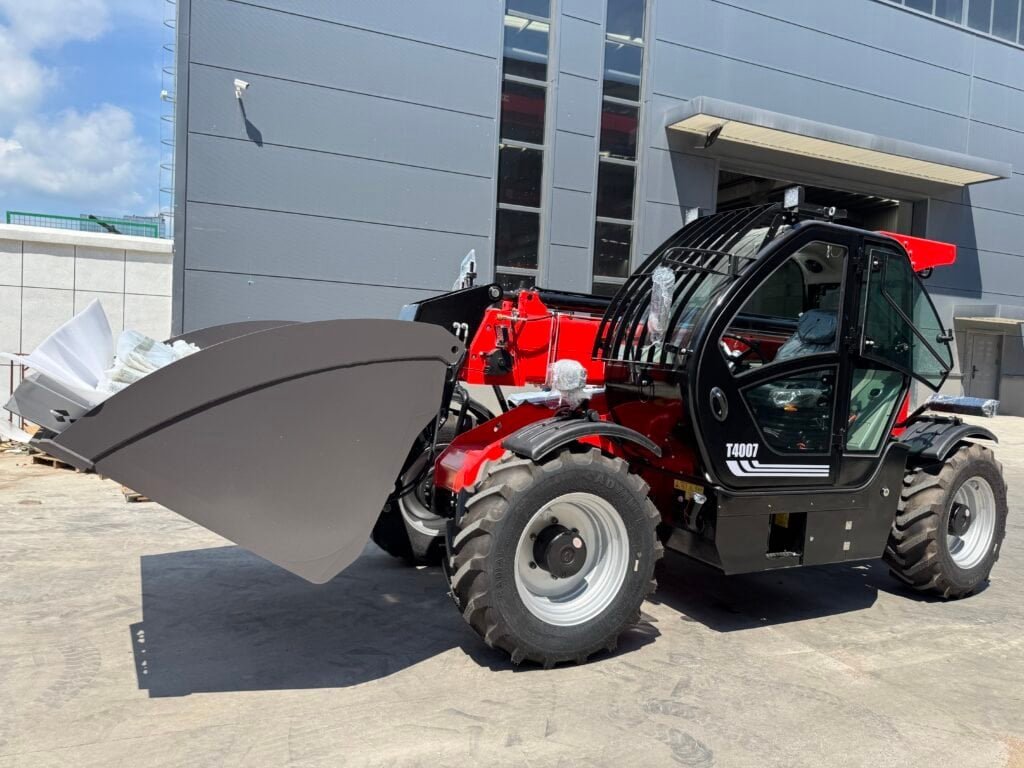
Ownership comes with responsibilities that don’t disappear when the engine is off. If your telehandler will spend a significant amount of time sitting idle, you must factor in these holding costs.
Here are the primary costs of an idle machine:
- Depreciation: This is often the biggest hidden cost. From the moment you take ownership, your telehandler begins to lose value. While quality machines hold their value well, depreciation is a real, non-cash expense that impacts your balance sheet and eventual resale price.
- Capital Tied Up: The money you spent on the telehandler is capital that cannot be used for other business-generating activities like marketing, hiring, or bidding on new projects. This opportunity cost is very real.
- Storage and Space: The machine needs a secure place to be parked. Whether it’s taking up valuable space in your yard or you’re paying for off-site storage, that square footage has a cost.
- Insurance: Your equipment needs to be insured against theft, damage, and liability, whether it’s working or not. This is a fixed annual cost you can’t avoid.
- Preventive Maintenance: Even idle machines require maintenance. Fluids need to be checked, batteries must be kept charged, and tires need to be monitored to prevent flat spots. Neglecting an idle machine can lead to expensive repairs when you finally need to start it up.
This brings us to a critical question: If your telehandler will only work 60 days a year, is owning it—with all its associated idle costs—truly more economical than renting one for two months? For many businesses with sporadic needs, the answer is often no. This objective self-assessment prevents you from buying an expensive asset that spends most of its life as a liability.
4,Is a Rented Telehandler Always Available When You Need It Most?
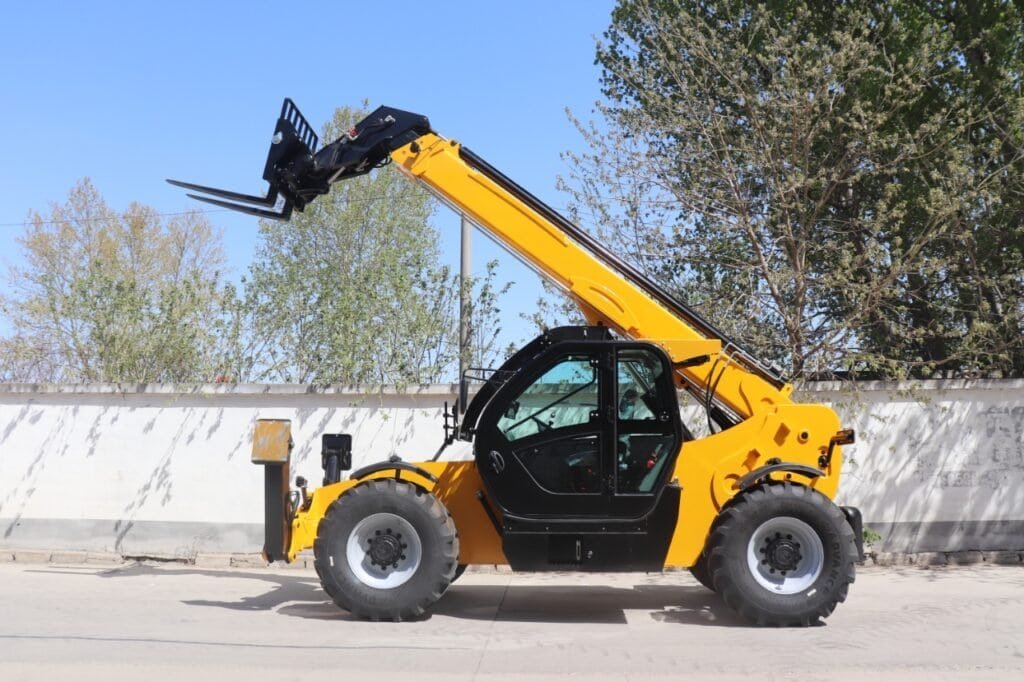
The rental model operates on a simple, attractive premise: the equipment is there when you need it and gone when you don’t. But is that always true? Relying on a rental company means you are subject to their inventory, demand, and logistics, which can introduce a significant risk to your project’s timeline.
The hidden “cost” of renting isn’t just financial; it’s operational. In a busy construction season, discovering that the specific telehandler you need is unavailable can delay your project, costing you far more in labor and penalties than you would have saved on rent.
Dive Deeper
For any project manager, control over the schedule is paramount. The availability of critical equipment is a major part of maintaining that control. While rental companies do their best, they face logistical constraints that can directly impact your business.
The Availability Risks of Renting
I once had a client, a mid-sized contractor, who planned a major lift for a Monday morning. He called the rental company the week before, only to find that every 10,000-pound telehandler in the region was already booked for the next three weeks due to an unexpected surge in local projects. His project was delayed by two weeks, creating a cascade of scheduling problems. This illustrates the primary risks:
- Limited Inventory During Peak Season: In construction, agriculture, and other seasonal industries, everyone needs equipment at the same time. Popular models, especially those with high reach or capacity, can be fully booked weeks or months in advance.
- Getting the Wrong Specifications: You may need a telehandler with a 56-foot reach, but the only model available is a 42-foot machine. Settling for the wrong equipment can compromise safety, reduce efficiency, or make the task impossible.
- Rental Price Hikes: High demand doesn’t just affect availability; it can also drive up prices. You may be forced to pay a premium to secure the machine you need.
- Logistical Delays: Even if a machine is available, it still needs to be serviced, inspected, and transported to your site. A delay in the rental company’s logistics can mean your crew is standing around waiting.
The Certainty of Ownership
The single greatest benefit of owning your telehandler is guaranteed availability. The machine is on your property, ready to go whenever you are. This provides:
- Operational Control: You can start projects on your schedule, not someone else’s.
- Immediate Response: If an unexpected need arises, the machine can be deployed in minutes, not days.
- Project Timeline Security: You eliminate a major external variable that can jeopardize deadlines and budgets.
For businesses with time-sensitive projects, the certainty provided by ownership can be priceless, making it a key factor in the telehandler rental vs purchase analysis.
5,Does Your Need for Standard or Customized Equipment Affect the Decision?
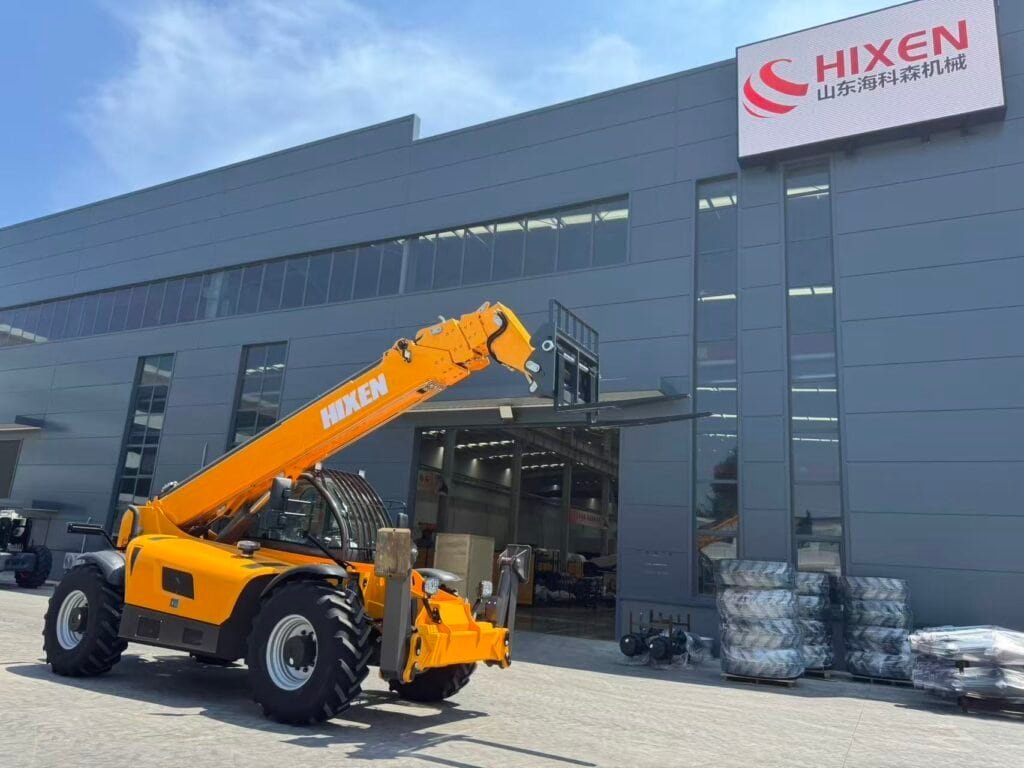
Do you just need to lift pallets from a truck to a second-story landing? Or do you need a specific attachment to handle hay bales, a high-capacity fork for heavy materials, or special tires for rough terrain? The more unique your requirements are, the more the scale tips toward purchasing.
Rental fleets are built around the most common needs. They stock standard-capacity, standard-reach telehandlers because those models serve the widest audience. If your needs fall outside this norm, finding the right machine in the rental market can be difficult, if not impossible.
Dive Deeper
The specificity of your application is a major, often overlooked, factor in the rent-versus-buy decision. Let’s compare how each option handles standard and specialized needs.
When to Rent: For Standard, Predictable Tasks
Renting is a perfect solution if your job requirements are straightforward and can be met by common models. This includes tasks like:
- General material handling on a construction site.
- Lifting pallets of shingles to a roof.
- Moving materials around a paved yard.
Rental companies excel here. They have fleets of popular models (e.g., 6,000-8,000 lb capacity, 30-45 ft reach) ready for deployment. The process is fast, easy, and cost-effective for these common applications.
When to Buy: For Specialized and Demanding Jobs
Purchasing becomes the logical choice when your needs are specific. This is because ownership gives you the power to customize. Consider purchasing if you require:
- A Specific Lifting Capacity or Height: If your work consistently requires a 12,000 lb lift or a 70-foot reach, these less-common models are scarce in rental fleets.
- Specialized Attachments: While some rental companies offer basic buckets and forks, they may not have the auger, truss boom, bale clamp, or sweeper you need. Owning allows you to invest in the exact attachments that make your work efficient. As a supplier, we often help clients select a package of attachments tailored to their industry.
- Unique Configurations: You may need foam-filled tires for a puncture-prone environment, a fully enclosed cab with AC for extreme weather, or specific lighting packages for night work. These are customizations best made to an owned machine.
| Application Type | Best Suited for Renting | Best Suited for Purchasing |
|---|---|---|
| Tasks | General, common lifting tasks | Specialized, recurring, or unique tasks |
| Specifications | Standard capacity and reach | High capacity, extended reach, or specific dimensions |
| Attachments | Basic forks and buckets | Specialized tools (augers, clamps, booms) |
| Environment | Standard job sites | Rough terrain, extreme weather, tight spaces |
Ultimately, the more your telehandler needs to be a “Swiss Army knife” for your business, the stronger the argument for purchasing a machine you can configure perfectly.
6,Can Buying a Telehandler Become a Revenue Stream for Your Business?
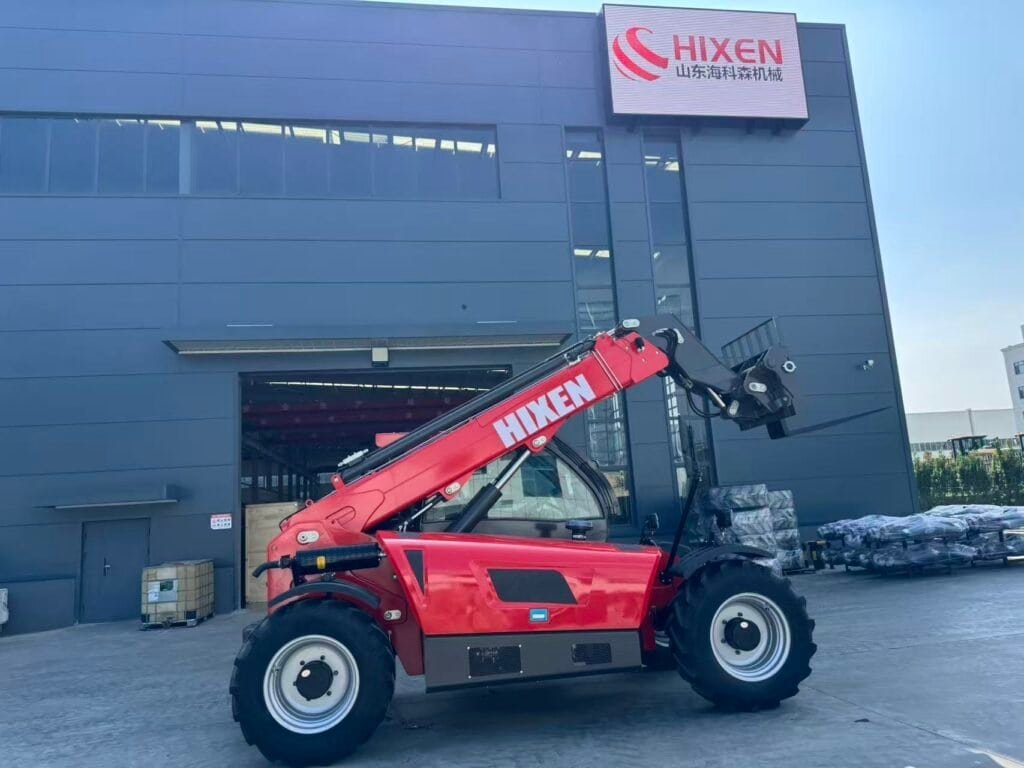
So far, we’ve discussed the telehandler rental vs purchase decision as purely a cost comparison. But what if buying the machine wasn’t just about saving money, but about making money? For many businesses, an owned telehandler can transform from an expense into a revenue-generating asset.
This shift in thinking—from cost center to profit center—is the final and most advanced step in the evaluation process. If you can use your owned machine to generate income during its idle time, it completely changes the financial equation of purchasing.
Dive Deeper
This strategy is known as asset utilization. The goal is to maximize the working hours of your equipment to not only cover its cost of ownership but also to generate a profit. This approach isn’t for everyone, but for certain types of businesses, it’s a game-changer.
Who Can Turn a Telehandler into a Profit Center?
This model is particularly powerful for businesses that are already in or adjacent to the equipment world:
- Construction Companies and Large Contractors: If you own a telehandler, you can rent it out to smaller subcontractors on your job site or to other local contractors during your downtime. You’re already on-site, making logistics simple.
- Equipment Dealers: For dealers, purchasing telehandlers for a “rent-to-own” program or a small rental fleet can create a new, steady income stream and serve as a demonstration fleet for potential buyers.
- Rental Businesses: This is their core business model. For a contractor looking to diversify, starting a small, niche rental operation focused on a specific type of telehandler or attachment can be a viable new venture.
- Farmers and Agricultural Operations: During the off-season, a farmer’s telehandler can be rented out to neighboring farms or local construction projects.
How It Changes the Financial Logic
When you introduce rental income, the Total Cost of Ownership (TCO) calculation gets a powerful new variable: revenue.
Your new calculation looks like this:
Net Cost of Ownership = (Purchase Price + Operating Costs) – (Resale Value + Rental Income)
Suddenly, the high purchase price is offset not just by the money you save on renting, but by the active income the machine generates. An asset that might have taken five years to break even in a cost-savings model might now pay for itself in two or three years and generate pure profit thereafter. This elevates the telehandler rental vs purchase debate from a simple cost analysis to a strategic business opportunity.
Frequently Asked Questions
What is the typical breakeven point for buying vs. renting a telehandler?
There’s no single answer, as it depends on rental rates and purchase price, but a common rule of thumb is that if you use the machine more than 60% of the time (roughly 7-8 months a year), purchasing is almost certainly the more economical option. The breakeven point arrives much faster if you purchase a reliable used machine.
Can I get financing to purchase a telehandler?
Absolutely. Most equipment suppliers and financial institutions offer financing options for new and used machinery. This allows you to conserve your immediate cash flow by spreading the purchase cost over several years, often resulting in a monthly payment that can be comparable to or even less than a monthly rental fee for high-use scenarios.
Does buying a used telehandler change the rental vs. purchase calculation?
Yes, significantly. A high-quality, well-maintained used telehandler comes with a much lower initial purchase price. This dramatically shortens the time it takes to reach the breakeven point compared to renting. It makes ownership accessible and financially viable much sooner, even for businesses with medium-term usage needs.
What maintenance am I responsible for when I rent a telehandler?
When renting, you are typically responsible for daily operational checks, such as monitoring fluid levels and tire pressure, as well as refueling the machine. The rental company is responsible for all scheduled preventive maintenance and covering the costs of any major repairs due to mechanical failure.
Conclusion
Ultimately, the telehandler rental vs purchase decision is a strategic choice that goes far beyond a simple price comparison. It requires an honest assessment of your business’s future. The right answer depends on your projected usage duration, your cash flow priorities versus long-term value, and the certainty of your project pipeline. You must also weigh the operational risks of rental availability against the idle costs of ownership, and consider whether your needs are standard or require a customized machine. For some, the final piece of the puzzle is realizing that an owned telehandler can be more than a tool—it can be an income-producing asset.
If your analysis points toward ownership, the next step is finding the right machine and the right partner. Our team specializes in providing reliable new and used telehandlers at competitive prices, with customization options and professional export services to meet your exact needs. Contact us today to discuss your requirements and get a quote. Our Hixen Telehandler provide you all the choice!
